9 Marketing Campaigns We Love: From Bag "Plastic Surgery" to Microdrama Series
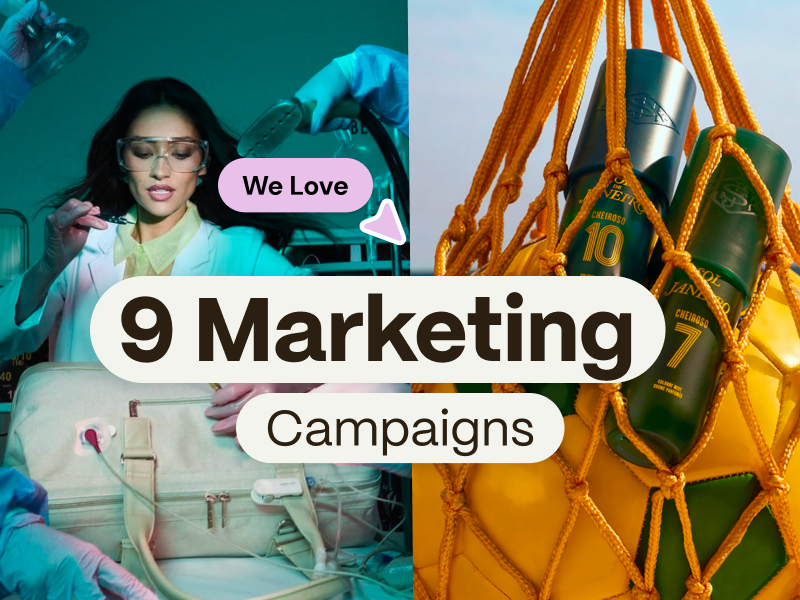
Forget boring billboards. Today’s top brands are already creating pop-culture moments. From a fictional "plastic surgery" for a travel Weekender bag to denim fueled by '90s nostalgia and a Google Pixel campaign disguised as a full-on drama series. Check out 9 marketing campaigns that completely blew us away with their boldness and brilliant insights.
Let’s be real: traditional ads that just scream “buy me, I’m the best” don’t move anyone anymore. We’re all immune to those perfect, retouched photos from expensive studios. People, whether they’re your customers or your followers, want a story, emotions, and sometimes they just want to be entertained. The brands and creators currently crushing it on the internet are playing a whole different game. They’re not afraid to poke fun at themselves, they throw out the rulebook, and they create things people actually talk about over a beer or share in their Instagram DMs.
We’ve picked 9 brilliant recent marketing campaigns that we absolutely love. From a "plastic surgery" stunt and pure nostalgia to sunburnt tourists. Come get inspired on how to turn an ordinary product into a viral bomb.
1. BÉIS: "Plastic Surgery" for the Iconic Weekender
-
What it’s about: Travel luggage brand BÉIS announced a complete redesign of its bestselling flagship bag, The Weekender. Instead of a classic, boring product update announcement, founder Shay Mitchell launched a multi-chapter campaign built around a plastic surgery theme. The launch featured a total Instagram wipe, mysterious product "disappearances," and a post-op recovery phase.
-
Why it works: This bold rebranding was 100% driven by real data: social media discussions and community feedback from people who wanted to improve the product. The brand took a dry product innovation and turned it into a dramatic story that fans followed like a gripping TV series. A textbook example of how to turn customer feedback into a viral pop-culture moment.
2. Gap × Hailey Bieber: '90s Nostalgia with a Hint of The Cranberries
-
What it’s about: Gap teamed up with fashion icon Hailey Bieber to introduce a limited-edition denim capsule, "The Hailey Jean." The collection directly channels the iconic '90s aesthetic combined with Hailey’s relaxed personal style. The jeans feature custom details, such as her signature inside the pockets and the year 1996 (her birth year) integrated into the design. The campaign is accompanied by a minimalist video set to the timeless hit "Linger" by The Cranberries.
-
Why it works: This isn't just an empty celebrity endorsement. Gap beautifully capitalized on its own strongest era—the nineties—and connected it with the person dictating denim trends for the new generation today. The emotional footprint backed by a melancholic soundtrack, raw minimalism, and a touch of irony give the campaign an authenticity that Gen Z and millennials adopted instantly.
3. Timberland × Jacquemus: Art Deco and Summer Joy in the Wild
- What it’s about: A mashup of outdoor heritage and French high fashion. Timberland, in collaboration with the fashion house Jacquemus, introduced a new interpretation of the classic 3-Eye Lug Boat Shoe for Summer 2026. The limited-edition model arrived in a bold Lagoon Blue shade, referencing the 1980s Memphis movement and Art Deco architecture, previously featured in a collection aptly titled Le Bonheur (Happiness).
- Why it works: Contrasts attract. Timberland's rugged, functional foundation met Jacquemus's poetic and playful aesthetic. The result is total visual disruption that redefines what a premium summer shoe should look like. The campaign sells an idealized, colorful vision of a joy-filled summer, which resonates perfectly on social media and appeals to both high-fashion lovers and hypebeasts.
4. IKEA KOMPISHÄNG: Furniture Made for the Nomad Generation
- What it’s about: The global furniture giant introduced the KOMPISHÄNG collection, featuring 13 affordable and extremely portable products. IKEA designed it based on deep ethnographic research among young adults (ages 20–28) in central London, who constantly move from place to place due to rent prices and career shifts.
- Why it works: IKEA hit the nail on the head with a real socio-economic insight. Young people today don't buy furniture for life. The campaign openly embraces the reality of the rental market and says: we know you’re going to move again, so we made things you can easily pack and carry by hand. It's practical, empathetic, and highly relevant to urban youth culture.
5. Sol de Janeiro: Brazilian "Pelada" Opens Up the Men’s World
- What it’s about: Sol de Janeiro, famous for its iconic body mists, enters the men's grooming market for the first time in history with the Cheiroso Cologne Mist collection. To break into the market, they tapped into the soccer season and the cultural phenomenon of "pelada," traditional, spontaneous street soccer games in Brazil that celebrate friendship, community, and the joy of the game, regardless of the score.
- Why it works: Instead of betting on overdone masculine stereotypes or overpriced soccer superstars, the brand reached for the pure cultural essence of Brazil. Pelada represents authenticity and belonging. Connecting with this phenomenon at a time when the whole world is living and breathing soccer gave the brand natural authority and an emotional spark for men to organic accept it.
6. Merit × The Ritz-Carlton: Luxury Essentials Packed for the Road
- What it’s about: Minimalist clean-beauty brand Merit joined forces with the legendary luxury hotel chain The Ritz-Carlton. The result is a limited-edition collection of cosmetic and travel essentials in elegant, practical packaging.
- Why it works: A perfect match between two worlds that share the exact same target audience, one that loves aesthetic purity and the quiet luxury trend. Merit brings a modern, fast approach to beauty, while The Ritz-Carlton adds a stamp of historical exclusivity and premium status. The campaign acts as an instant status symbol for anyone who wants to travel in style.
7. Burberry: "Love, on repeat" for the Qixi Festival
- What it’s about: British luxury fashion brand Burberry dropped its "Love, on repeat" campaign to celebrate Qixi, the traditional Chinese Valentine's Day. The faces of this highly aesthetic series are movie ambassadors Zhang Jingyi and Zhang Kangle.
- Why it works: Burberry masterfully handles localized marketing for the Asian market. Instead of generic, Western romantic clichés, it gambled on powerful visual storytelling, cinematic quality, and the chemistry between local ambassadors. The recurring themes of love in a modern Chinese context ideally bridge the brand's historic heritage with local culture and the emotions of the younger generation.
8. Meller: A Sunburnt "Guiri" Attracts Tourists in Mallorca
- What it’s about: Sunglasses brand Meller opened a new store in Mallorca and did it their own way. Right in the storefront window and inside the shop, they placed a real, bright-red sunburnt man sunbathing on a lounge chair wearing nothing but sunglasses and Speedos. This bizarre move brought to life the Spanish slang term "Guiri" (a word used for typical, sun-scorched foreign tourists).
- Why it works: An absolute guerrilla triumph and a brilliant sense of humor. Meller geniusly poked fun at a local reality that everyone in Mallorca sees and knows every single day. This provocative installation acted as an instant magnet for passersby, completely blew up social media, and showed that the brand doesn't take itself too Sergeant, which is the best way to stand out from a sea of boring competitors today.
9. Google Pixel: A Product Campaign Disguised as a Drama Series
-
What it’s about: Google Pixel turned a standard product campaign into a thrilling series. Teaming up with Alex Cooper and her Unwell Network, they created a show called "Moving on." It starred Alex Cooper herself alongside well-known TV faces like Emily VanCamp and Giacomo Gianniotti. The whole project, which integrated the Google Pixel directly into the storyline, had an exclusive premiere at the prestigious Cannes Lions festival.
-
Why it works: Entertainment beat out boring ads. Google went with an "entertainment-first" approach, and instead of pushing product specs, they created content people actually want to watch on their own. Thanks to a star-powered cast and creator-driven storytelling, the campaign organically hooked the audience. The phone doesn’t act like an annoying advertiser but as a natural part of the story, the holy grail of modern branding.
What’s the takeaway for both brands and creators? That the best marketing of 2026 doesn't even look like advertising anymore. It’s more like an invitation to a club where people actually have fun and voluntarily want to spend their time.
When BÉIS completely resets their Instagram to turn a bag redesign into a plastic surgery reality show, or when Google Pixel shoots a thrilling mini-series instead of a boring tutorial, it’s a clear message to all of us: entertain people first, touch their hearts, or make them laugh, and only then sell them something. If you don’t put a piece of real life, or at least a massive dose of courage, into your next campaign or video, you’ll just blend in.
Which one hyped you up the most? Would you rather bet on cinematic nostalgia, or do you love crazy ideas like a sunburnt guy in a storefront window?
Carl for Social
Don't miss what's coming next.
Stay on top of social media trends and tips that help you grow your content on Instagram, TikTok, Facebook, and YouTube. Download Carl for Social — it's free.
Download app