What Changed on Social Media Over the Past Week: AI Agents, Episodic Video and Social Commerce
Over the past week, social media platforms have introduced several practical updates with a direct impact on brands, creators and company profiles. These are not just new feed features. Platforms are continuing to connect content, customer communication, sales, paid distribution and user safety. Here are the most important changes.
1. Meta Introduces Business Agent for Companies
Meta has announced Meta Business Agent, an AI-powered solution designed to help companies communicate with their customers. The agent is intended to work across WhatsApp, Messenger and Instagram. According to Meta, it can help businesses answer customer questions, recommend products, work with product catalogues, qualify leads, assist with reservations and support sales.
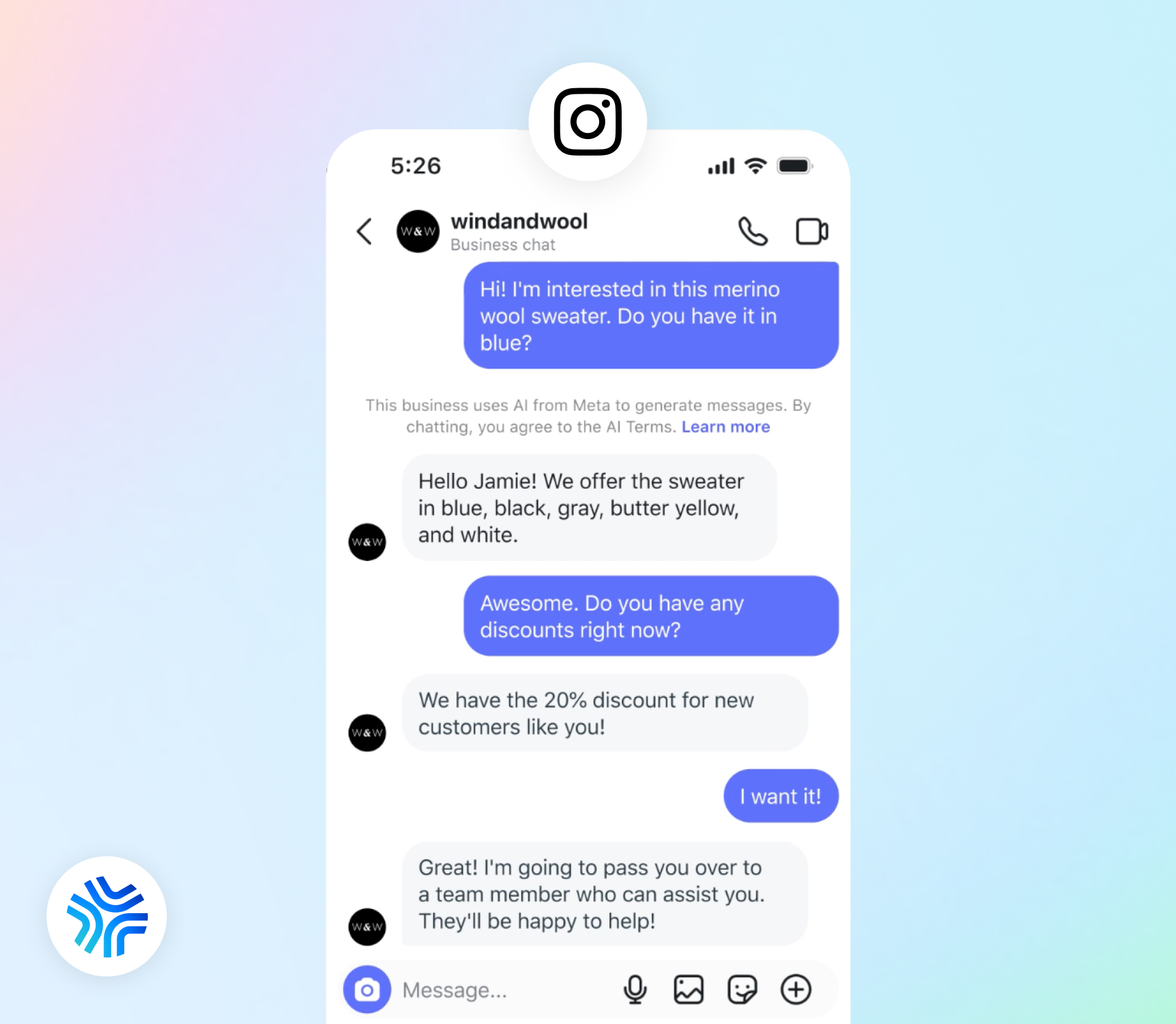
This is relevant for companies for two main reasons. First, Meta is moving AI beyond content creation and into customer communication. Second, Instagram, WhatsApp and Messenger are becoming even more important as commercial and customer-service channels.
Practical impact: social media content should be designed to naturally lead into a conversation. It is no longer enough to publish a post and wait for likes. For products and services, follow-up communication in direct messages, fast responses, work with frequently asked questions and the ability to turn user interest into a concrete enquiry will become increasingly important.
2. Meta Tightens Settings for Teen Users
Meta has announced the global expansion of its 13+ content settings for Teen Accounts on Instagram, Facebook and Messenger. The aim is to limit the visibility of content that may not be suitable for younger users. Meta also says it wants to reduce repeated exposure of teenagers to certain sensitive topics.
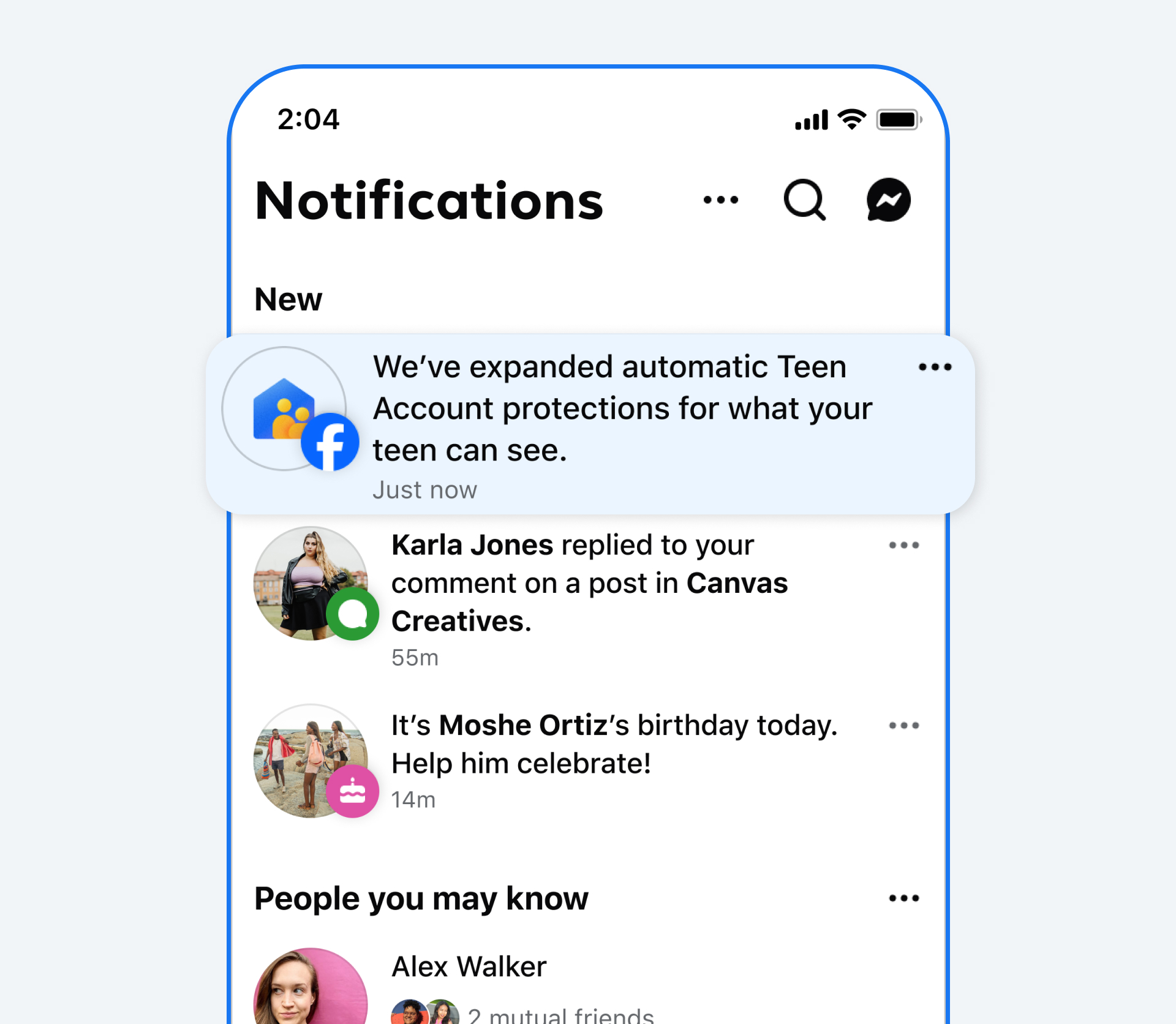
This is particularly important for brands whose content touches on health, body image, nutrition, fitness, mental health, anxiety or lifestyle. These topics are likely to become more sensitive on platforms. Companies should expect algorithms and platform rules to become stricter for younger audiences.
Practical impact: when dealing with sensitive topics, brands need to pay closer attention to wording, context and visuals. Content should not encourage extreme behaviour, oversimplify health-related issues or create pressure around performance and appearance.
3. TikTok Shop Expands to More European Countries
TikTok has announced that from 15 June 2026 it will expand TikTok Shop to Austria, Belgium, the Netherlands and Poland. These countries will join markets where TikTok Shop is already available, including France, Germany, Italy, Spain, Ireland and the United Kingdom. TikTok also states that it has 200 million monthly users in Europe and that more than 100,000 European businesses have joined TikTok Shop.
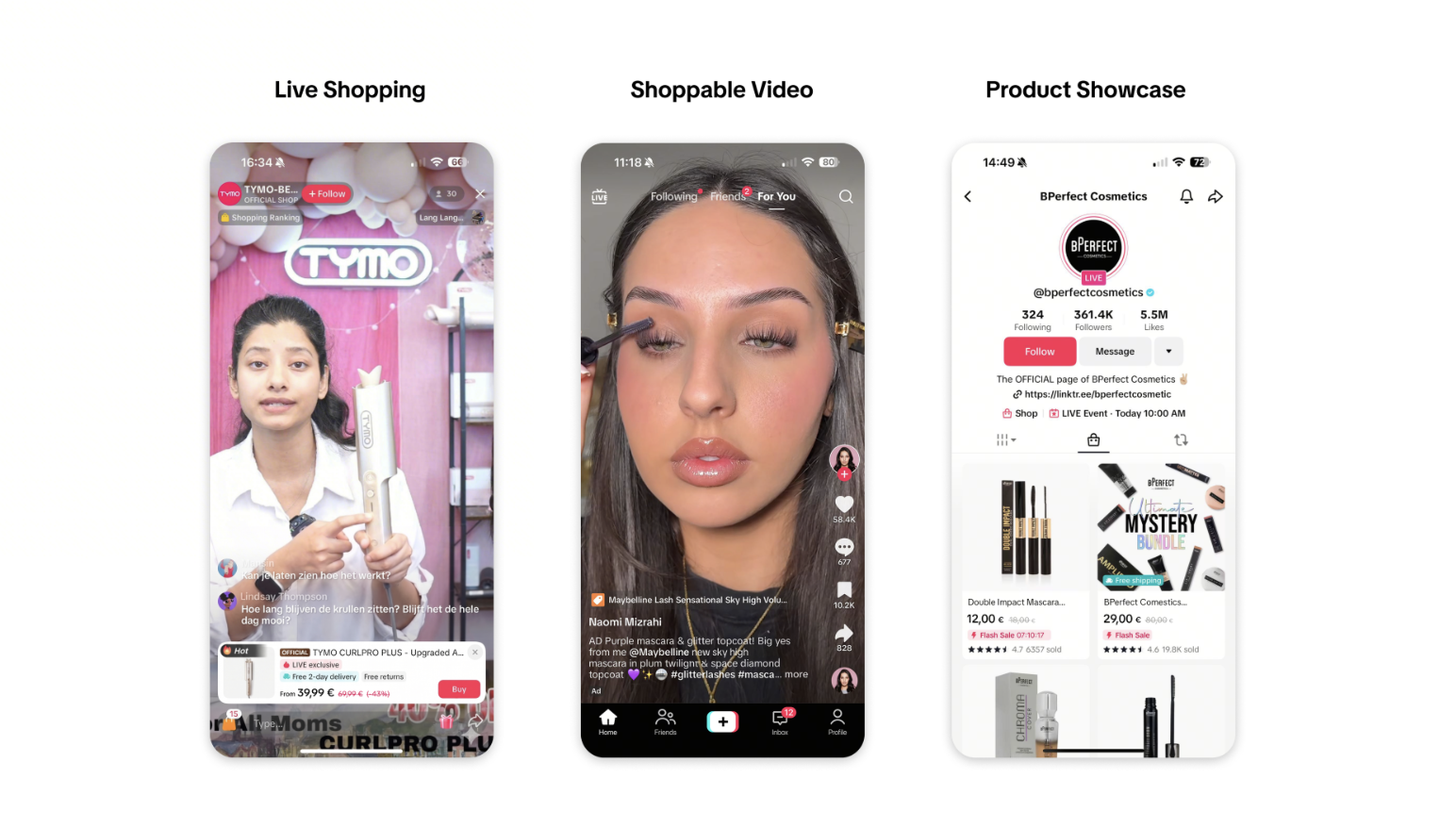
This further strengthens TikTok’s content-driven shopping model. Users no longer discover products only through traditional search. Purchasing decisions increasingly happen directly within content: through videos, livestreams, brand profiles and the Shop Tab.
For e-commerce and consumer brands, this is a significant shift. Video is no longer only a tool for building awareness. It is becoming a direct part of the sales process.
Practical impact: product content needs to show use cases, outcomes and reasons to trust the product. Simply presenting the product is not enough. Demonstrations, reviews, comparisons, tutorials, customer reactions and creator-led content are likely to perform better.
4. Meta Tests “Series” for Reels
TechCrunch has reported that Meta is testing a Series feature for Reels on Instagram and Facebook. The feature would allow individual Reels to be grouped into thematic series. In practice, this would enable creators to build episodic content and allow viewers to return to individual episodes in a logical order.
It is important to note that, based on the available information, this is currently a test rather than a fully launched public feature. TechCrunch reports that Meta directly confirmed the test.
For brands, the direction of travel is important. Instagram and Facebook are continuing to look for ways to encourage repeated viewing of short-form video. Reels are therefore moving from standalone videos towards formats with regularity and continuity.
Practical impact: brands should think more in terms of series rather than isolated posts. Suitable formats could include weekly updates, Q&As, product tutorials, trend explainers or short educational series.
5. Instagram Adds a Teleprompter to the Main Camera
According to Social Media Today, Instagram has moved the teleprompter from the Edits app into the main Instagram camera. The feature allows users to upload a script that scrolls on screen while they record.
This update is particularly useful for talking-head videos. Creators, experts, company founders, marketers and spokespeople can record short videos more easily, stay on message and reduce the number of repeated takes.
Practical impact: spoken video content will become easier to produce. Companies can involve specific people from their teams more effectively, such as CEOs, experts, product managers, sales representatives or consultants. A useful format is a short script structured around a problem, an explanation, an example and a conclusion.
6. X Launches React with Video
X has launched React with Video, a feature that allows users to respond to a post with a video instead of using a standard repost or quote post.
The feature is particularly relevant for creators, commentators, media outlets, political accounts, sports profiles and personal brands. With this update, X is expanding the possibilities for reaction-based content and moving comment culture further towards video.
Practical impact: short video commentary will become more important. Brands and public figures that respond to current events should have a simple format ready for explaining a situation, reacting to a statement or commenting on a development.
Carl for Social
Don't miss what's coming next.
Stay on top of social media trends and tips that help you grow your content on Instagram, TikTok, Facebook, and YouTube. Download Carl for Social — it's free.
Download app