Instagram shares tips for better Reels, YouTube edits for you, and Meta is building an AI agent
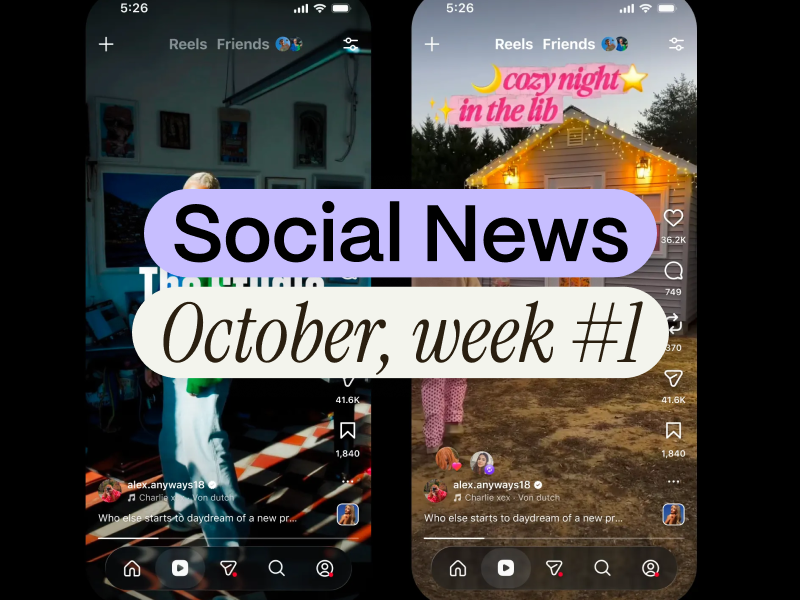
Instagram has published its own guide to Reels, YouTube is teaching AI to edit videos, and Meta wants its agent to one day get work done for you. Meanwhile, LinkedIn is looking for new ways to connect brands with creators, and TikTok is facing further restrictions for teens.
What do a guide to better Reels, an AI video editor, and an agent that might one day shop for you have in common? They all point to where social media is heading. Platforms no longer want to just host content. They're starting to advise on how to make it, helping produce it, and gradually taking over some tasks entirely.
This week, Instagram released its own guide on how to think about Reels and what not to overlook when creating them. Meanwhile, YouTube unveiled an AI tool that can edit videos based on simple instructions. Meta is pushing its AI agent even further, and LinkedIn is exploring new ways to help brands find relevant creators.
Instagram shows how to make better Reels
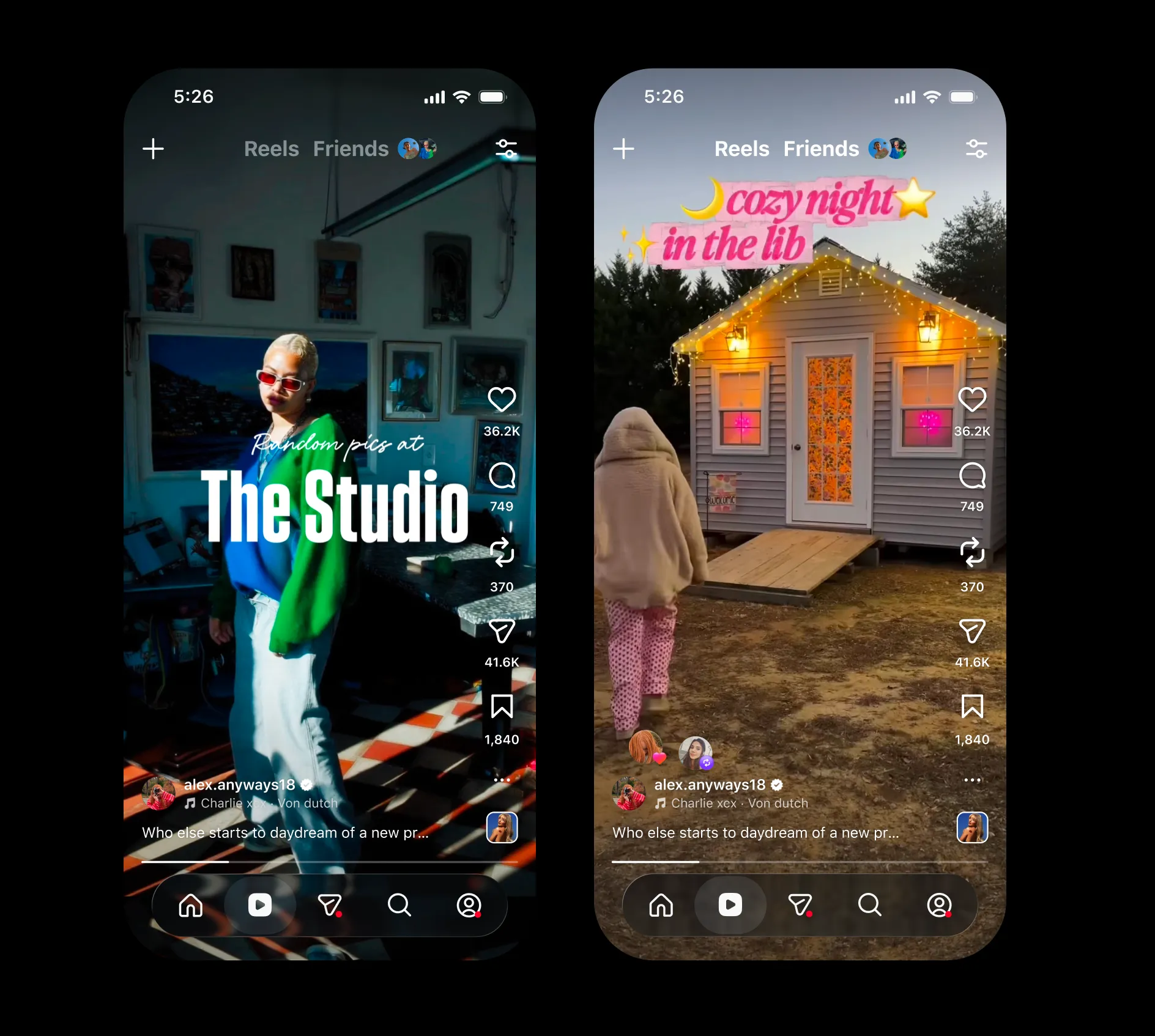
Instagram has published its own guide to creating Reels. And instead of yet another generic "post consistently," it gets surprisingly practical. It recommends thinking of a Reel as a short story that has to grab attention right from the start, while also keeping viewers watching until the very end.
Instagram highlights a few basics: shoot vertically, use music and sounds directly from Instagram, work with text and effects, and above all, give viewers a reason to watch until the end or share the video. The guide also includes tips on using the various creative tools built into the app.
For brands, the most interesting takeaway is that Instagram is once again confirming where its main focus lies. Reels aren't just one format among many. They're one of the main ways to reach people on Instagram who don't follow you yet.
And that changes how you should think about content. It's not enough to create videos for your own community. You need to consider someone who's seeing you for the very first time and deciding within a few seconds whether to stay.
 YouTube lets AI do the editing for you
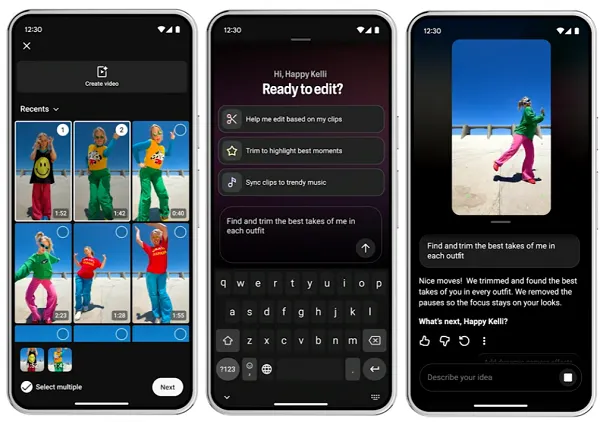
Shooting a video is one thing. Then comes editing, captions, music, cutting out dead air, and a few more hours of work. YouTube is now testing a way to shorten all of that. A new tool, Conversational Editing, lets creators simply tell AI what to do with their video. For example, pick the best shots, speed up the pacing, add music, or add captions. And if the result isn't quite right, you just give another instruction. It's a bit like having an editor sitting next to you who doesn't need you to explain how editing software works.
Importantly, YouTube doesn't want to take humans out of the process entirely. AI creates the first version, and the creator can then keep refining it manually. This could be especially interesting for brands that need to produce large volumes of short videos and test different variations. Instead of one video a week, it could become much easier to prepare several versions and find out which one performs best.
 Meta wants AI that doesn't just advise, but actually gets things done
Today, a chatbot answers your questions. Meta wants its Muse to go much further. At its Connect conference, the company showcased the latest progress on its AI agent, which is meant to gradually learn to work with other services and complete tasks on users' behalf. Meta announced partnerships with companies such as Walmart, Best Buy, Sephora, and Expedia. The idea is for Muse to not only recommend something, but also help carry out a specific action.
Picture it simply: instead of searching for a product, opening an online store, filling in your details, and completing the order, you tell the AI what you want, and it takes care of each step for you.
Social media work could change in a similar way. Meta is gradually connecting Muse with Instagram and Facebook, so in the future, AI could handle part of the work that social media managers and creators do today. For instance, analyzing an account, working with content, or finding suitable collaboration opportunities.
Of course, there's a catch: an agent like this needs far more access to your data than a regular chatbot. That's why Meta also introduced new security mechanisms for handling sensitive information. Either way, the technology is interesting mainly for one reason: AI is shifting from "I'll tell you how to do it" to "I'll do it for you."
LinkedIn wants to help brands find the right creators
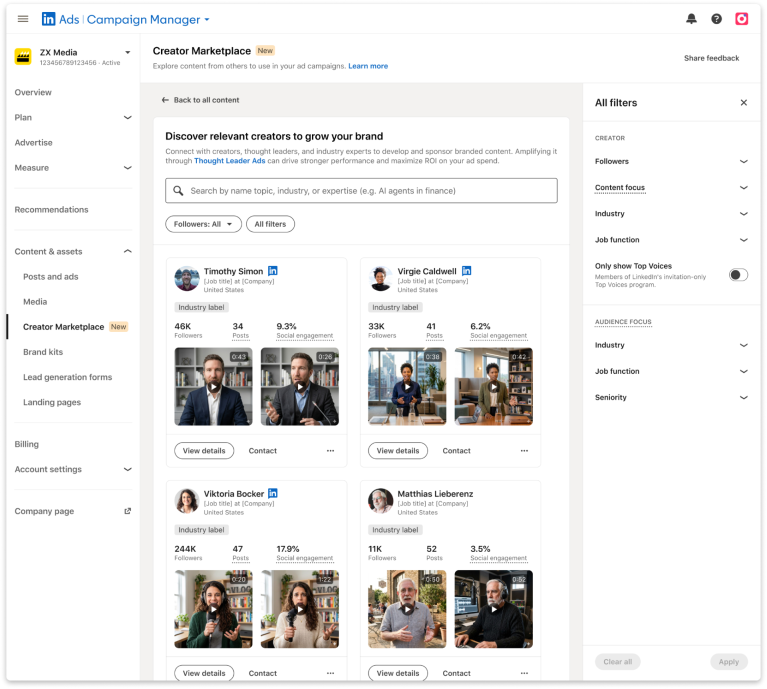
Creator marketing stopped being just about Instagram and TikTok a long time ago. LinkedIn now wants to make it easier for brands to find people who have something to say in B2B, too. The platform is testing Creator Discovery, a tool within its Creator Marketplace, designed to help find suitable creators by topic, industry, job title, or audience type. And it makes sense. For B2B brands, the most important person often isn't someone with a million followers. Far more valuable may be someone followed by a few thousand people from a specific industry who genuinely trust their opinion.
According to LinkedIn, 63% of B2B buyers already turn to creators during their initial research. A creator doesn't have to be just someone who publishes a sponsored post. They can be the person who helps a brand enter the conversation before a potential customer even starts looking at a specific product.
With this, LinkedIn is also signaling that B2B creator marketing will be less and less about follower counts and more about audience relevance and expertise.
 TikTok will limit teens' time in the app
And finally, a different kind of news. While other platforms are adding new features, TikTok is figuring out how to keep some of its users out of the app.
In Alabama, TikTok agreed to new rules for teenagers as part of a $100 million legal settlement. The agreement includes, for example, a two-hour daily usage limit, restricted access between midnight and 6 a.m., and notifications turned off during school hours. For the average user, this might sound like a minor detail. For brands, less so. If similar restrictions spread, they could gradually change the way platforms allow brands to reach the youngest audiences.
And TikTok isn't alone. Other major platforms in the US are also dealing with similar lawsuits and debates over protecting minors. Alongside AI, another big topic is emerging in social media: not just what platforms can do, but also what regulators will allow them to do.
In conclusion
When we look at all this news together, it's clear that social media is changing on several fronts at once.
Instagram wants to get better at deciding what we see. YouTube wants to simplify video production. Meta wants AI to actually start doing the work. LinkedIn is connecting brands with expert creators. And TikTok, on the other hand, is getting more and more rules about how it can engage with young users.
For brands, this means social media will involve less and less manual work. AI will handle part of production, algorithms part of distribution, and platforms are starting to find the right people for collaborations on their own. That makes something that can't be easily automated all the more important: a good idea, your own voice, and people's trust.
Carl for Social
Don't miss what's coming next.
Stay on top of social media trends and tips that help you grow your content on Instagram, TikTok, Facebook, and YouTube. Download Carl for Social — it's free.
Download app