Instagram Lets You Fix Your Stories, YouTube Brings Thumbnails to Shorts and TikTok Guards Creators' Likeness
Instagram now lets you edit Stories after posting, and Edits checks for copyright issues before you upload. YouTube opens custom Shorts thumbnails to all creators, TikTok protects creators from misuse of their likeness, Snapchat launches an AI-powered creator marketplace and LinkedIn shows that recommendations drive B2B purchases. In the bonus section: Mango's Christmas campaign under the regulator's microscope.
This week, social platforms gave creators more control over their own work. Instagram lets you fix Stories after posting, and Edits checks for copyright issues before a video goes live. TikTok can now detect AI-generated content and keeps watch over who uses creators' faces. Meanwhile, YouTube and Snapchat are adding tools that help creator content stand out and make it easier for brands to find.
For creators, this means better protection for their work. For brands, it's a signal that content rights and trust decide partnerships. And a new LinkedIn study on B2B purchasing confirms that trust sells.
Instagram: Story edits, tips for the Muse AI agent and copyright checks in Edits
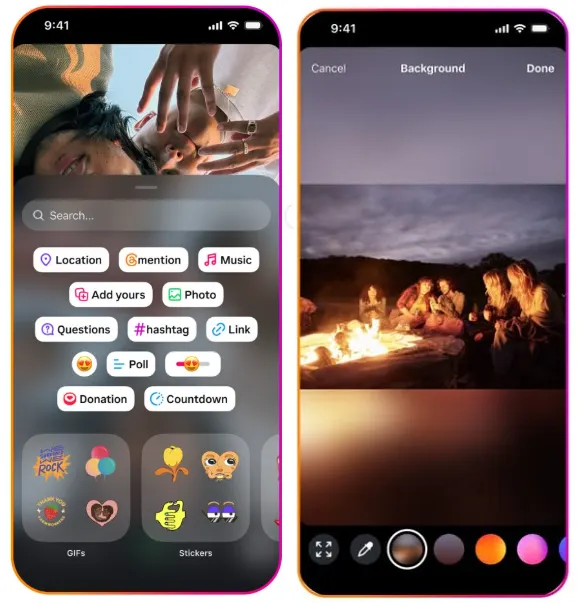
Since November 19, Instagram lets you edit Stories for up to 15 minutes after posting. A typo, a broken link or the wrong discount code can now be fixed without deleting the Story. Instagram also made it easier to select multiple photos and added new stickers and more color gradients for backgrounds. On iOS, you can also search your saved posts.
In an interview with Silicon Valley Girl, Instagram head Adam Mosseri explained what the Muse AI agent is good for. According to him, it can generate dozens of ideas for a given goal, assess what worked in your posts and track trends in your industry, including beyond Instagram. Mosseri said Instagram is still improving its audience analysis.
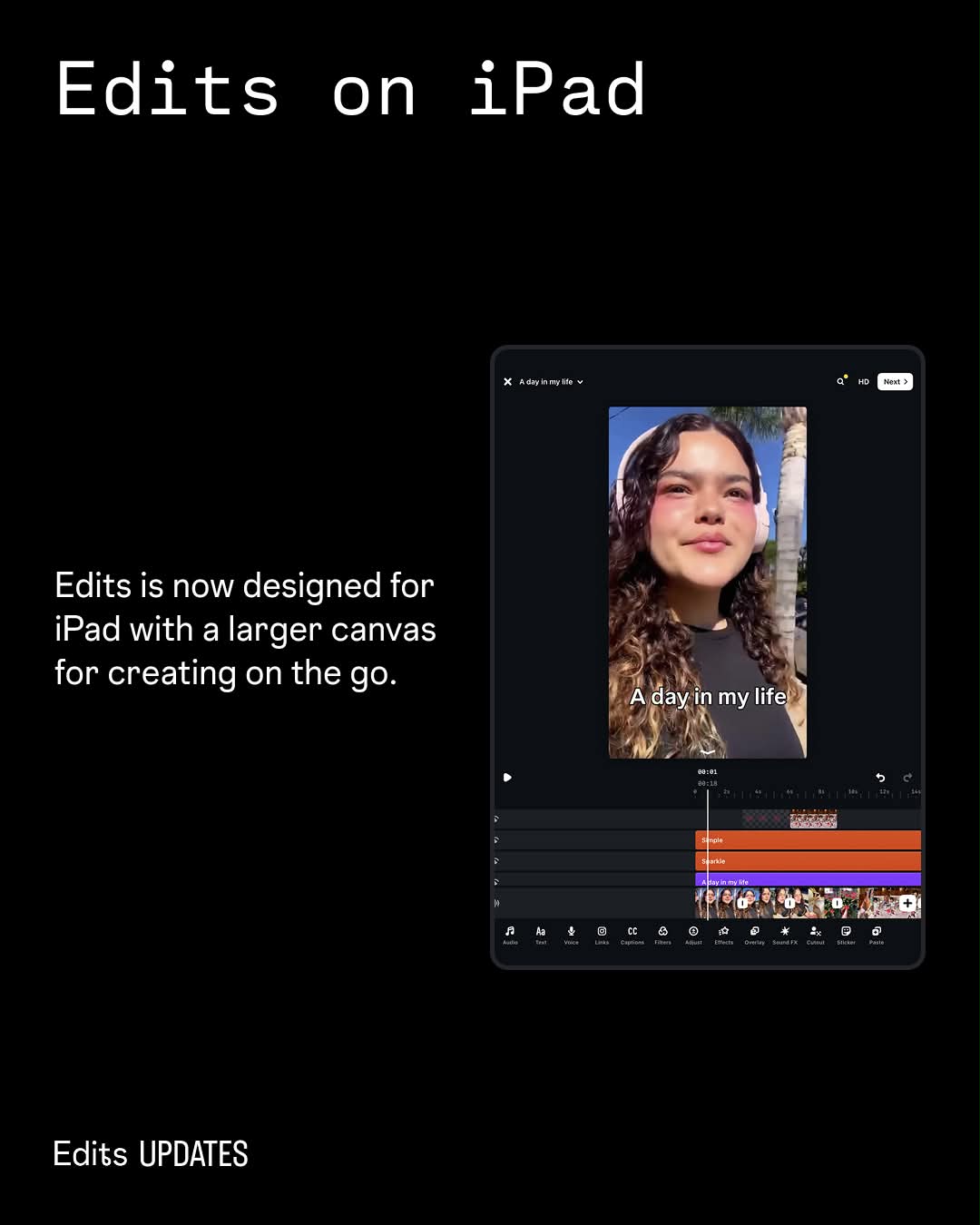
The Edits video app got an iPad version, LUT file import for consistent color grading and 1,600 new stickers. You can now upload photos and videos to the AI assistant and get advice on how to turn them into a video. On iOS, there's also a copyright check before you publish, available five times a day.
 Why it matters: Editing Stories saves a lot of stress, especially in paid partnerships, where a mistake in a link or code costs money. The copyright check in Edits reduces the risk of a branded video losing reach because of the music. Brands should expect creators to increasingly brainstorm with AI, and make sure in the brief that the result still sounds like them.
YouTube: Every creator now gets custom Shorts thumbnails
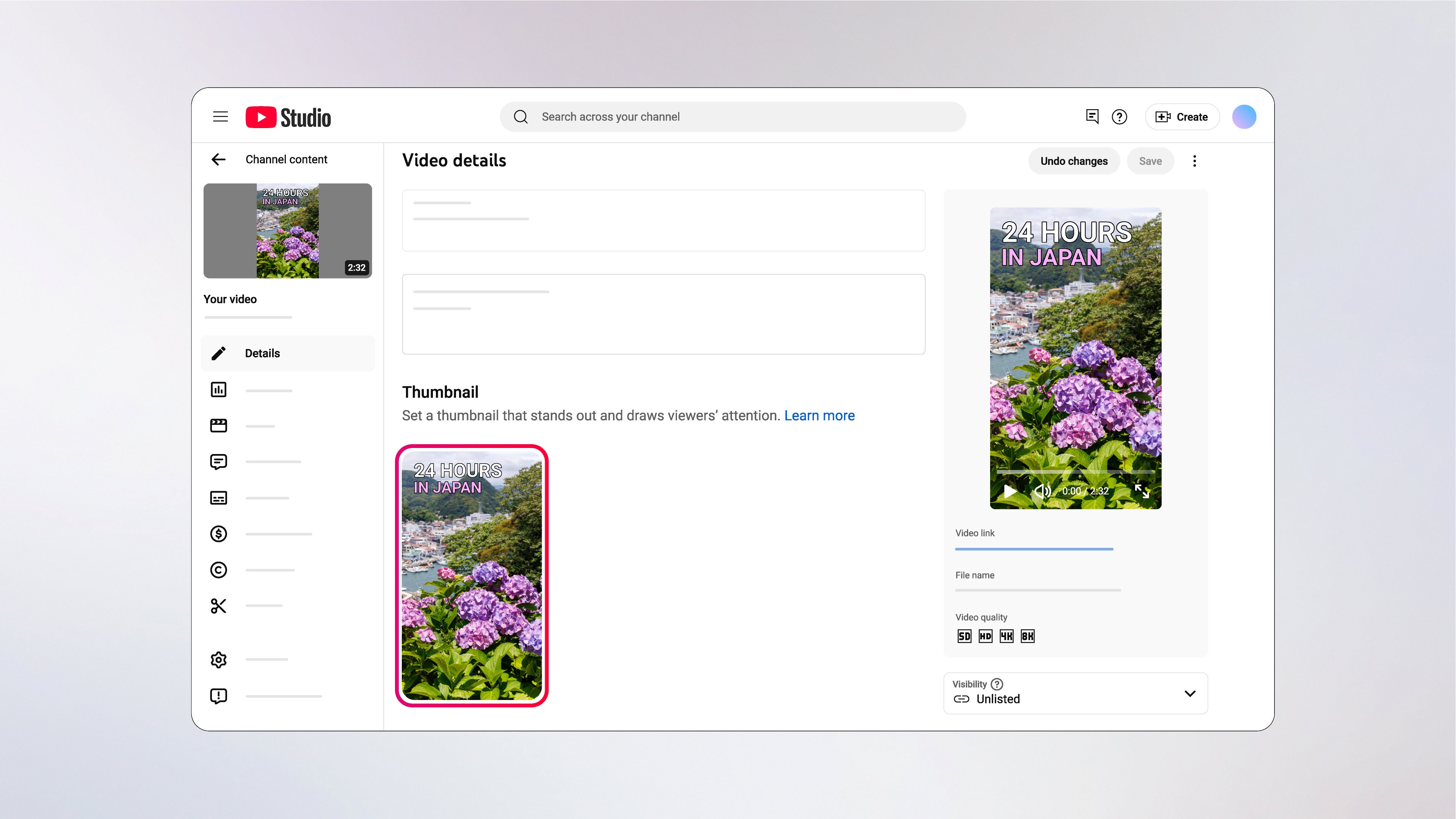
YouTube has made custom Shorts thumbnails available to all creators. You can upload a thumbnail when publishing on mobile or desktop, and change it after posting. If you don't want a custom image, you can pick a suggested frame from the video. The Ask Studio AI assistant can help you come up with thumbnail ideas.
It's a reversal: as recently as 2024, YouTube said thumbnails didn't matter much for Shorts, since people mostly watch them in the full-screen feed. In June, members of the Partner Program got access, and now everyone has it.
Why it matters: Outside the feed, for example on a channel page or in search, the thumbnail is what earns the click. Creators get a new tool to boost views on older Shorts. In partnerships, brands should agree with creators on the thumbnail too, including whether it will show the product or logo.
 TikTok: AI content verification and protection for creators' likeness
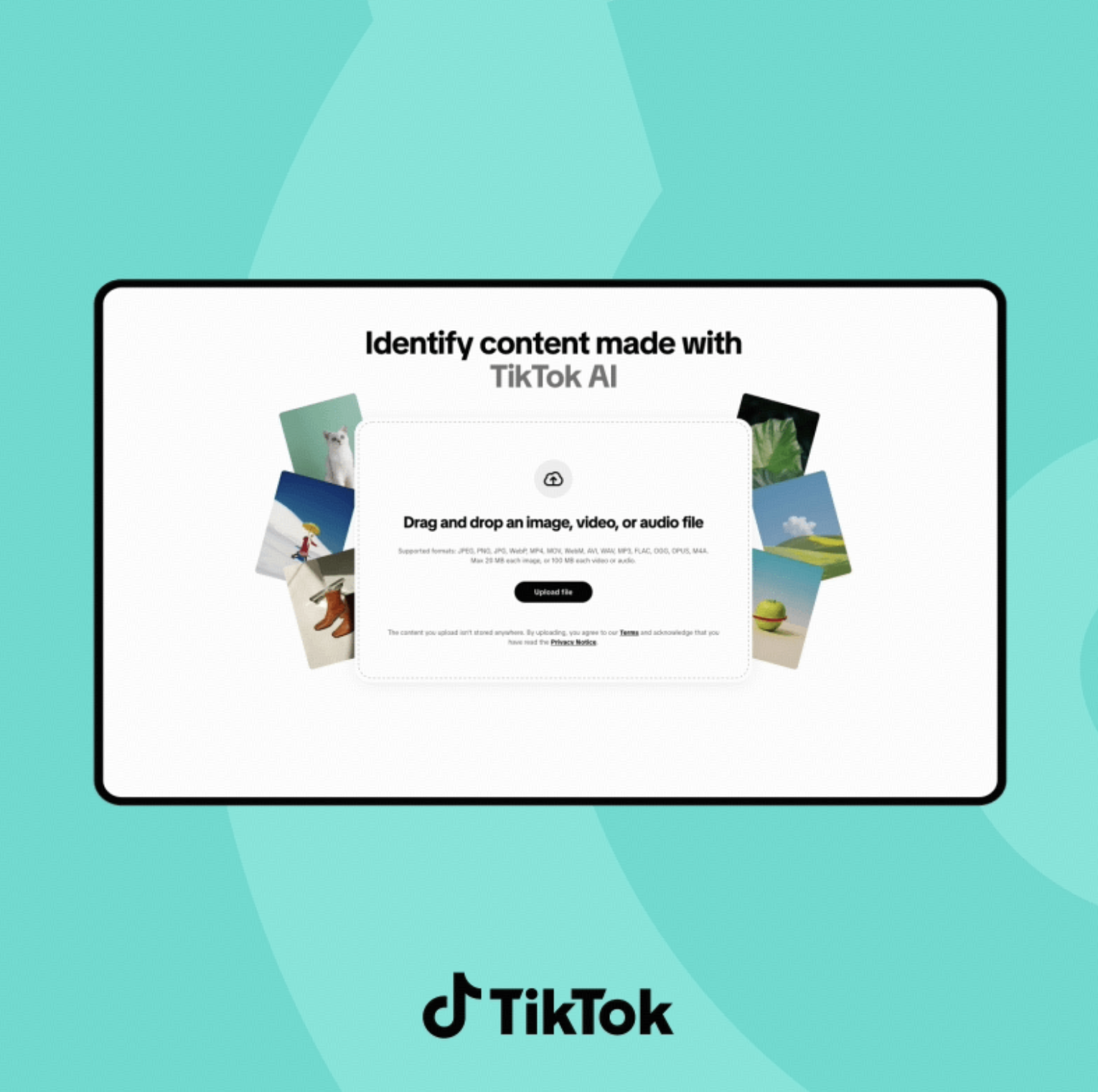
At its Safety and Innovation Summit, TikTok introduced an AI content verification tool. Anyone, even without an account, can upload an image or video and find out whether it was created or edited with TikTok's AI tools. The tool looks for a digital watermark, and you can find it in the Transparency Center.
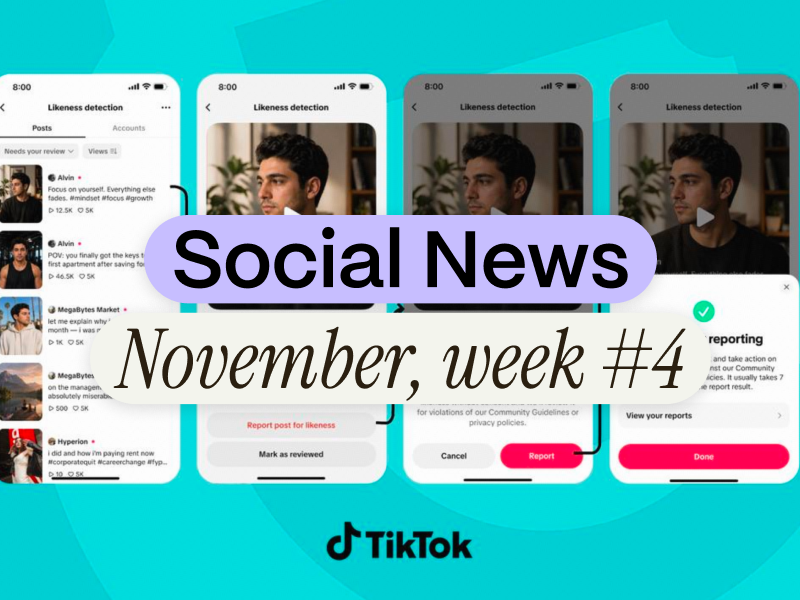
The second update protects creators: likeness detection. A creator verifies their identity with a trusted partner, and the system then monitors newly uploaded videos that feature their face. They can report suspicious content, and TikTok removes it if it breaks the rules. For now, the feature is available to select creators and public figures.
In the redesigned Family Pairing, parents can also see a sample of videos from verified creators their teen follows.
Why it matters: A creator's face is an asset worth protecting, and TikTok is now backing that up with technology. Brands should spell out in contracts whether and how they can use a creator's likeness, including AI edits. Creators with a young audience should keep in mind that parents may now see their content too.
 Snapchat: An AI-powered creator marketplace and creators on Snap Map
On November 18, Snapchat launched an updated Snap Creator Network in open beta. A brand describes the creator it's looking for, for example by audience, category or campaign goal, and AI suggests suitable creators. In one place, brands can see their performance, save them to shortlists, message them and boost their organic content with ads.
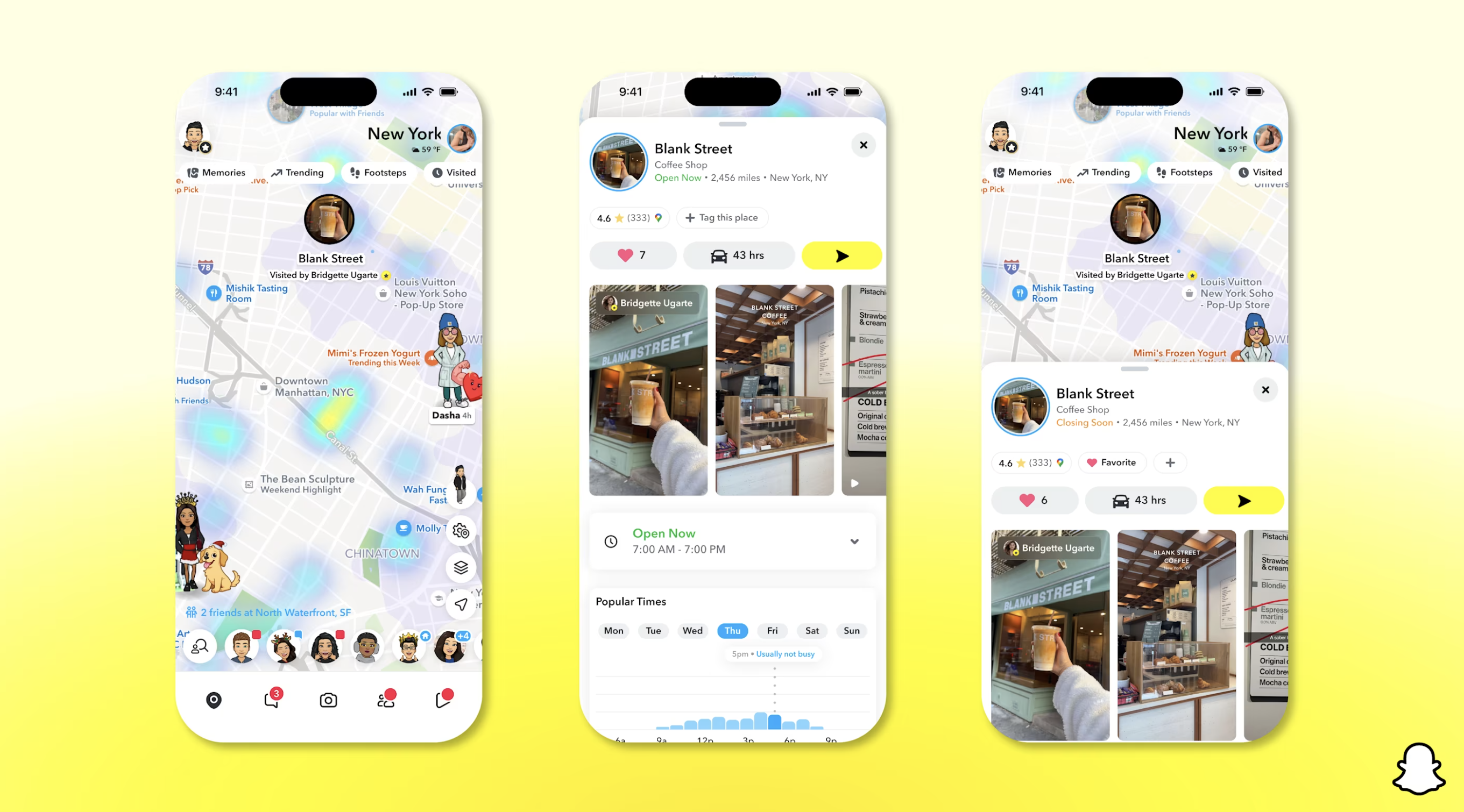
The new Visited By feature adds markers on Snap Map for places where creators a user follows have filmed, with a link to their post. According to Snapchat, 450 million people use the map every month. Snapchat also expanded its agency program with two tiers, currently in the US, the UK and the Middle East and North Africa.
Why it matters: Cafés, shops and hotels now have a new reason to invite creators, because their videos then show up right on the map. AI matching saves time, but it relies on platform data. Whether a creator fits a brand's values still needs a human call.
 LinkedIn: References and recommendations drive B2B purchases
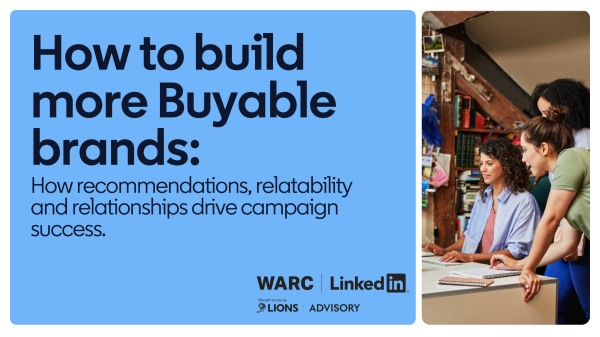
Together with WARC and Lions Advisory, LinkedIn analyzed 700 B2B case studies to find out what convinces customers to buy. Once a product meets the basic requirements, price and small technical advantages no longer decide. What decides is whether the buyer can defend their decision, even if something goes wrong.
Campaigns with three or more trust signals, such as customer testimonials, peer recommendations or industry leadership, were 1.7 times more likely to rank among the most effective. They also featured customer testimonials four times more often. According to LinkedIn, its campaign for ServiceNow increased purchase consideration tenfold and grew subscription revenue by 23% over three years.
Why it matters: B2B brands have a strong case for working with experts and customers who talk about the product in their own words. For industry creators on LinkedIn, it means their recommendations have measurable value, and they can charge for it.
 TikTok: Christmas goes pink and cozy
According to TikTok's holiday guide, posts with #pinkchristmas are up 210%, #cozychristmas 170% and #diychristmas 80%. The #christmasnails hashtag grew by more than 350% between October and November. Interest in #stockingstufferideas and #beautyadventcalendar is rising too.
 Pinterest × Microsoft Advertising
Microsoft Advertising campaigns can now reach Pinterest's home feed, search and related Pins. Targeting is based on what people search for and are interested in on Pinterest. For now, it's available only in North America, Australia and New Zealand.
Bonus: What people are talking about and what you should know
Drama of the week: UK regulator looks into Mango's Christmas campaign
Mango shot its "Last Night" Christmas campaign with model Alex Consani. The UK's Advertising Standards Authority (ASA) received a number of complaints that the model looks unhealthily thin. Mango turned off comments on the video on TikTok and later deleted it, and the ASA has not yet decided whether to take action. The lesson for brands: the face of a campaign is judged as strictly as its message, and turning off comments won't stop criticism.
Conclusion
This week, Instagram, YouTube, TikTok and Snapchat gave creators more control over their own work and made it easier for brands to reach them. Story edits, copyright checks, Shorts thumbnails and likeness protection all share one idea: creator content has value that needs protecting.
Creators should try out Shorts thumbnails and watch for when TikTok's likeness protection becomes available to them. Brands should put in their contracts how they may use a creator's content and face, including AI edits. As LinkedIn shows, trust sells, and it's built by people audiences believe in.
Carl for Social
Don't miss what's coming next.
Stay on top of social media trends and tips that help you grow your content on Instagram, TikTok, Facebook, and YouTube. Download Carl for Social — it's free.
Download app