Here we go. The FIFA World Cup is beginning. But this time, it is not just about football
This will not be just another major sporting tournament. It will be the biggest test yet of how sport, media, fandom and social media are changing today.
The old model was simple. The match was broadcast on television. Highlights appeared in the sports news. Fans talked about the result in pubs, at home or later on social media. In 2026, it is different.
The World Cup will not take place only on the pitch. It will also take place on TikTok, YouTube, Snapchat, WhatsApp, in creator hubs, fan chats, AR filters, short videos, live reactions and in communities that will form around the tournament in real time.
And that is exactly why this year’s championship matters for everyone who follows social media, marketing, content and people’s digital behaviour.
The first truly social-first World Cup
This will be the biggest World Cup in history. For the first time, 48 teams will take part and the tournament will feature 104 matches. Its sheer scale alone makes it a huge media event.
But even more important is how it will be watched. Television and official streams will, of course, remain crucial. But the cultural meaning of the tournament will be shaped to a large extent elsewhere: on social platforms. That is where memes, reactions, behind-the-scenes videos, creator commentary, fan rituals, viral moments and community conversations will emerge.
In other words: the match will be played in the stadium, but its second life will begin immediately in the feed.
TikTok does not just want a hashtag. It wants a fan hub
TikTok has launched a pilot called TikTok Pro Events, a standalone environment for major cultural and sporting events. It is debuting with the 2026 World Cup. That is an important signal. TikTok does not want to be merely the place where a few viral videos appear after the match. It wants to become part of the fan experience itself. Fans are meant to discover trending videos, creator feeds, fan culture and highlights, and to take part in tasks, challenges and rewards. A hashtag is becoming an organised space. Random scrolling is becoming a structured event experience.
For brands, this is a fundamental shift. It will no longer be enough to prepare one post for the start of the tournament and a few reactions to results. Sports communication will have to be planned as a content cycle: pre-match formats, real-time reactions, creators, community activations, short-form series and work with platform trends.
YouTube as the centre of the longer sports story
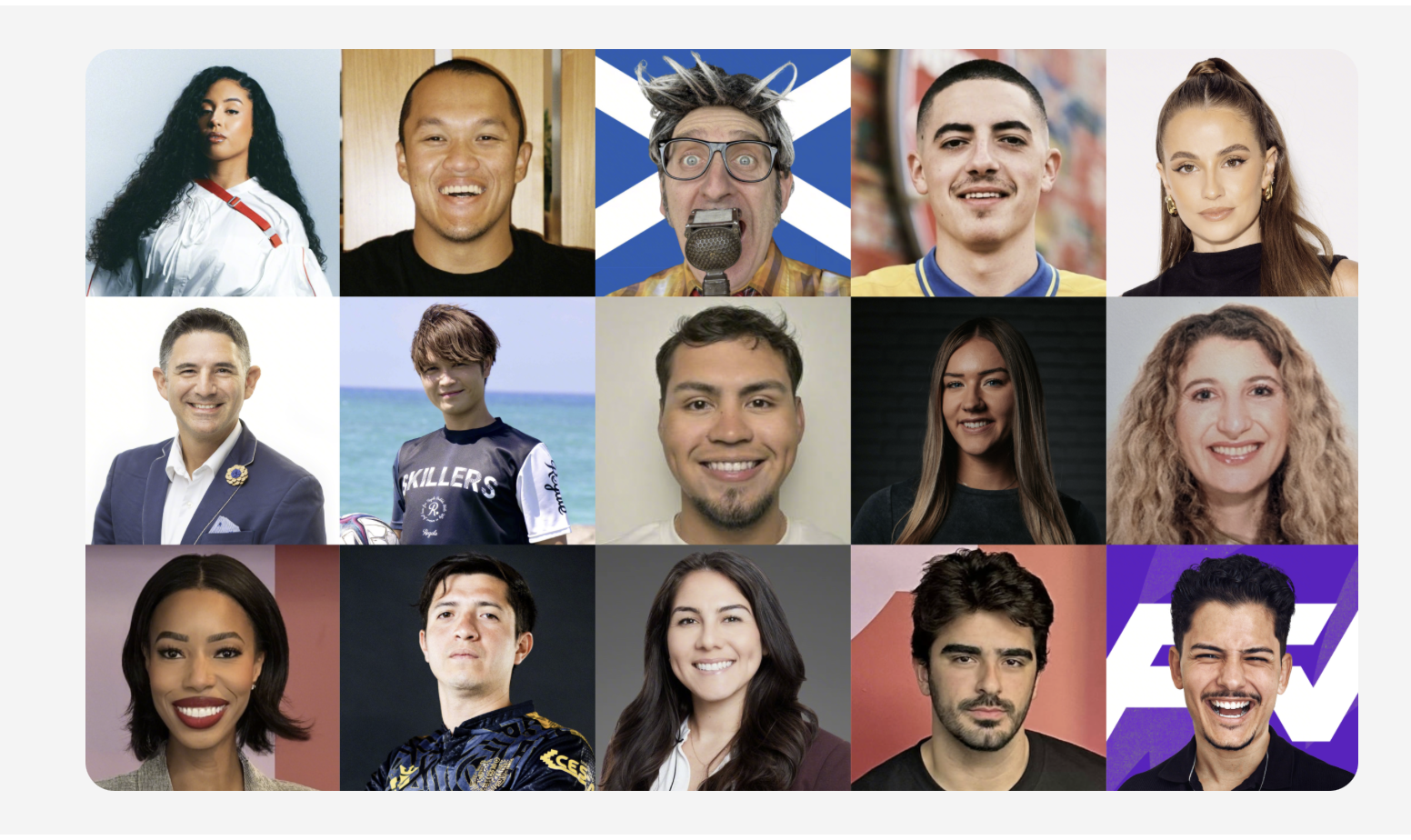
YouTube has a specific position at this year’s World Cup. It is not just a platform for highlights. It is a place where short videos, long-form analysis, creators, watch-alongs, tactical breakdowns, interviews and archive content can come together. That is precisely the environment in which sports fandom is shifting from simply watching the match to consuming all-day content around it.
 A fan does not only want to know who won. They want to see reactions. They want to hear the opinion of someone they trust. They want an explanation of why a team won. They want behind-the-scenes access. They want emotion. They want community. And YouTube is a platform that can connect the authority of official content with the personal voice of creators.
Snapchat is betting on AR, athletes and the second screen
Snapchat is approaching the World Cup differently. It is not primarily playing for long-form content. It is playing for real-time emotion. Its strategy is built around creators, athletes, Stories, Spotlight, AR Lenses, Bitmoji merchandise, geofenced experiences and real-time scores. That is exactly the language of younger audiences, who do not follow sport only as a result, but as an experience.
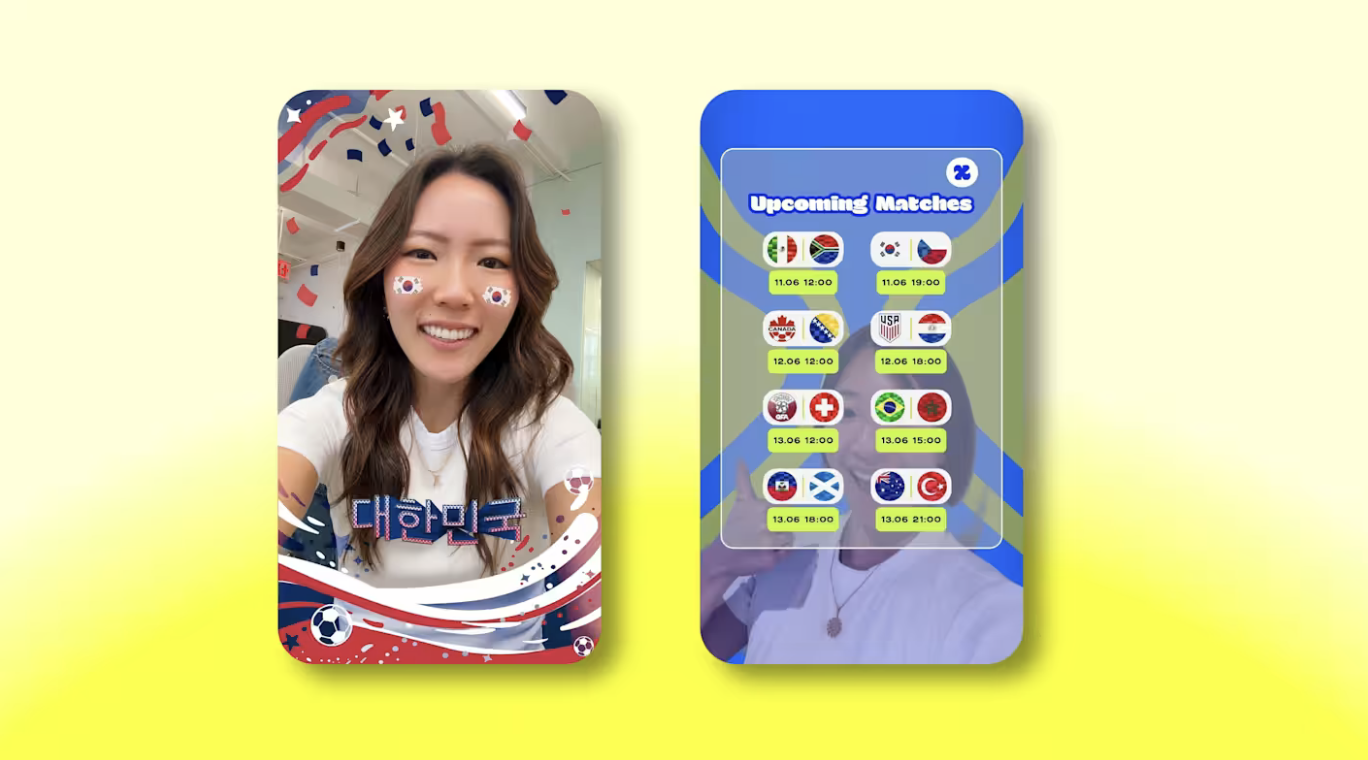
For Gen Z, a match is not just something you watch. It is something you share, comment on, remix and use as part of your own identity. Snapchat shows very well where sports fandom is heading. The second screen is no longer an add-on. It is a fully fledged part of the viewing experience.
Snapchat says that more than 215 million users watch sports content on the platform every month, and that 85% of daily users plan to watch or keep up with this year’s World Cup.
The influencer as broadcaster
One of the strongest symbols of the transformation of sports media is Brazil. All 104 matches there will be streamed by CazéTV, a platform connected to influencer Casimiro Miguel and the company LiveMode. This is a huge shift. An influencer is no longer just someone reacting to the match from the outside. In some cases, they are becoming part of the official distribution of sport.
This does not mean the end of traditional media. It means a hybrid model. Television still holds authority and mass reach. But creators hold cultural proximity, the language of the platform, community and the ability to create the feeling that the fan is not just a viewer, but a participant. For social media analysts, this is one of the most important trends of this year’s championship.
At major sporting events, it is no longer enough to monitor official profiles and media partners. It will be just as important to follow creators, watch-alongs, fan accounts, memetic formats, community chats and alternative distribution centres.
More news from the world of social media
TikTok strengthens LIVE as a community and monetisation format
TikTok is launching Community Fest 2026, a summer series of activities focused on LIVE creators. The event starts on 11 June and combines educational workshops, in-app competitions and community activations around livestreaming. It includes the Creator Academy, missions during LIVE broadcasts and competitions such as Match Mania.
Strategically, this matters mainly because TikTok is continuing to build LIVE as a standalone pillar of the platform. It is not just an add-on to short videos, but a format that connects community, engagement, monetisation and, in the future, commerce. TikTok is building on the success of livestreaming in Asia and is trying to strengthen similar behaviour in Western markets as well.
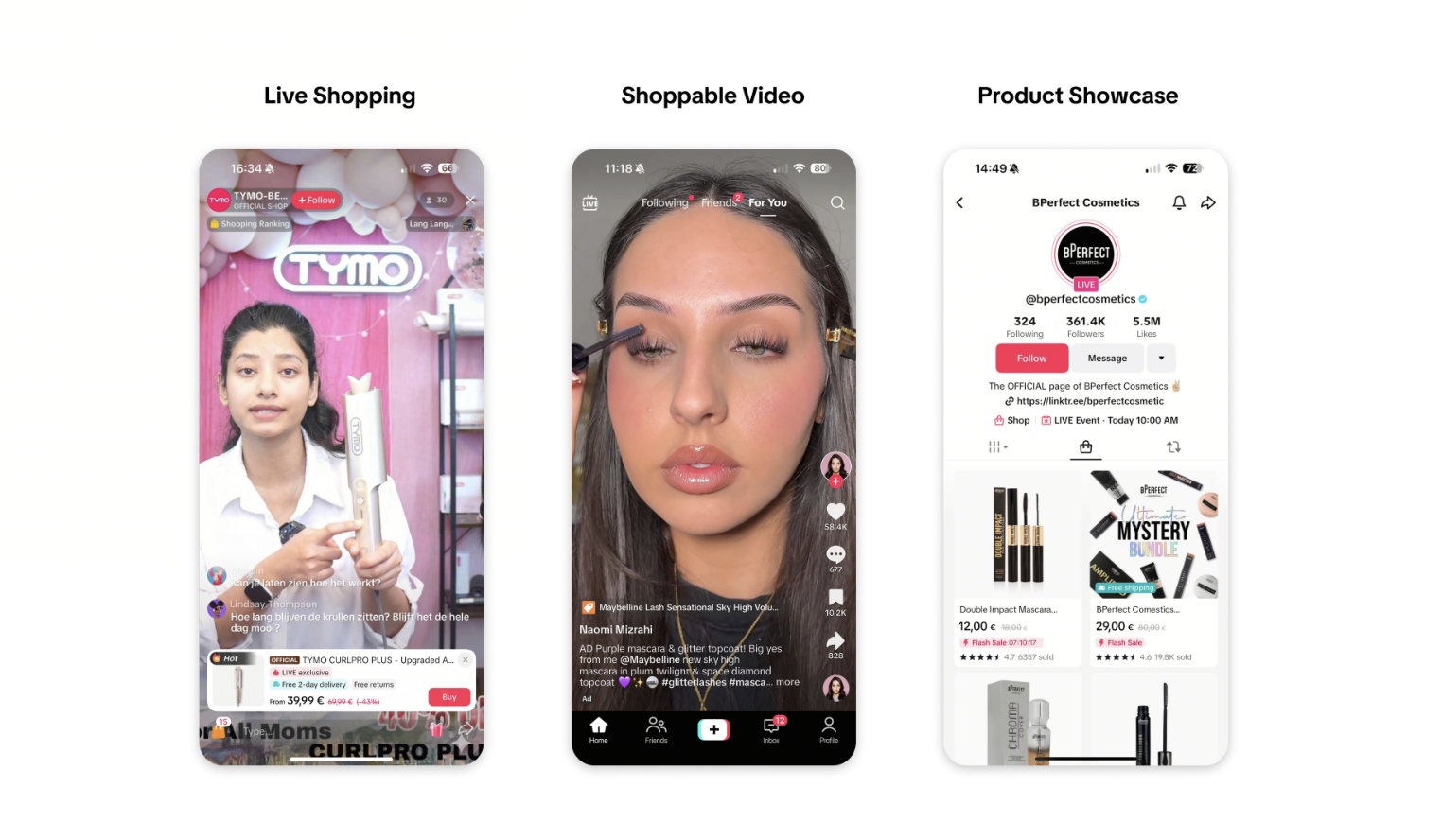 TikTok Shop is expanding in Europe
From 15 June, TikTok Shop is expected to become available in Austria, Belgium, the Netherlands and Poland as well. These countries will join markets where TikTok Shop already operates, including France, Germany, Ireland, Italy, Spain and the United Kingdom.
For the European market, this is another step towards social commerce moving from an experiment into a regular part of digital sales. TikTok Shop connects product discovery, creator content, livestreams and in-app purchasing. Czechia is not part of the current expansion wave yet, but the addition of Poland is a signal for Central Europe that the platform is moving closer to our region as well.
Microdramas as another format for vertical video
TikTok, together with the Sundance Institute, is also launching a programme focused on micro-series, meaning short serialised stories designed for mobile and vertical environments. The four-week online course focuses on writing short episodic stories and working with characters, a season arc and the first episode.
This fits into the broader trend of microdramas. Short, often dramatic episodes in a mobile format are becoming an increasingly important way to hold audience attention. TikTok is making it clear that it does not want to be just a platform for viral clips, but also a place for more structured storytelling.
Instagram gives creators greater control over their profiles
Instagram has begun rolling out more widely the ability to rearrange posts in the profile grid. A user can press and hold a post, choose “Reorder grid” and move it to another position. According to available information, the feature has been rolling out from 8 June on both iOS and Android.
This is a smaller product change, but one with major significance for creators, brands, photographers and personal brands. The profile grid no longer has to be just a chronological archive. It can function more like a portfolio, a landing page or a visual shop window. Instagram is responding to long-standing demand for greater control over how a profile looks at first glance.
Threads adds music and a more cultural layer of communication
Threads is expanding music stickers to all users. Playable thirty-second clips can be added to posts or replies, including versions with cover art or lyrics.
This confirms that Threads is gradually moving away from being a purely text-based clone of X and towards a lighter cultural and multimedia space. In addition to music stickers, the platform is also working with other elements, such as animated mini-stickers and better handling of longer texts. Meta clearly does not want Threads to become just a place for political and text-based debates, but a space where people share moods, music, pop culture and everyday context.
What this means for brands and creators
The common denominator is clear: platforms are increasing the value of formats that build relationships, not just reach. LIVE, micro-series, the profile as a portfolio, music and visual stickers. All of this points towards creators and brands thinking not only about individual posts, but about the overall audience experience.
For brands, this means three things. First, it is worth testing LIVE formats before they become overcrowded. Second, social commerce in Europe is a trend that will continue to grow, even though Czechia is not yet part of the first wave. And third, visual and cultural signals will become more important. The profile, music, series, community and the ability to create a repeatable format will play a bigger role than a one-off viral hit.
Carl for Social
Don't miss what's coming next.
Stay on top of social media trends and tips that help you grow your content on Instagram, TikTok, Facebook, and YouTube. Download Carl for Social — it's free.
Download app