From Selena Gomez to poppi Claus: 9 Marketing Campaigns That Caught Our Eye
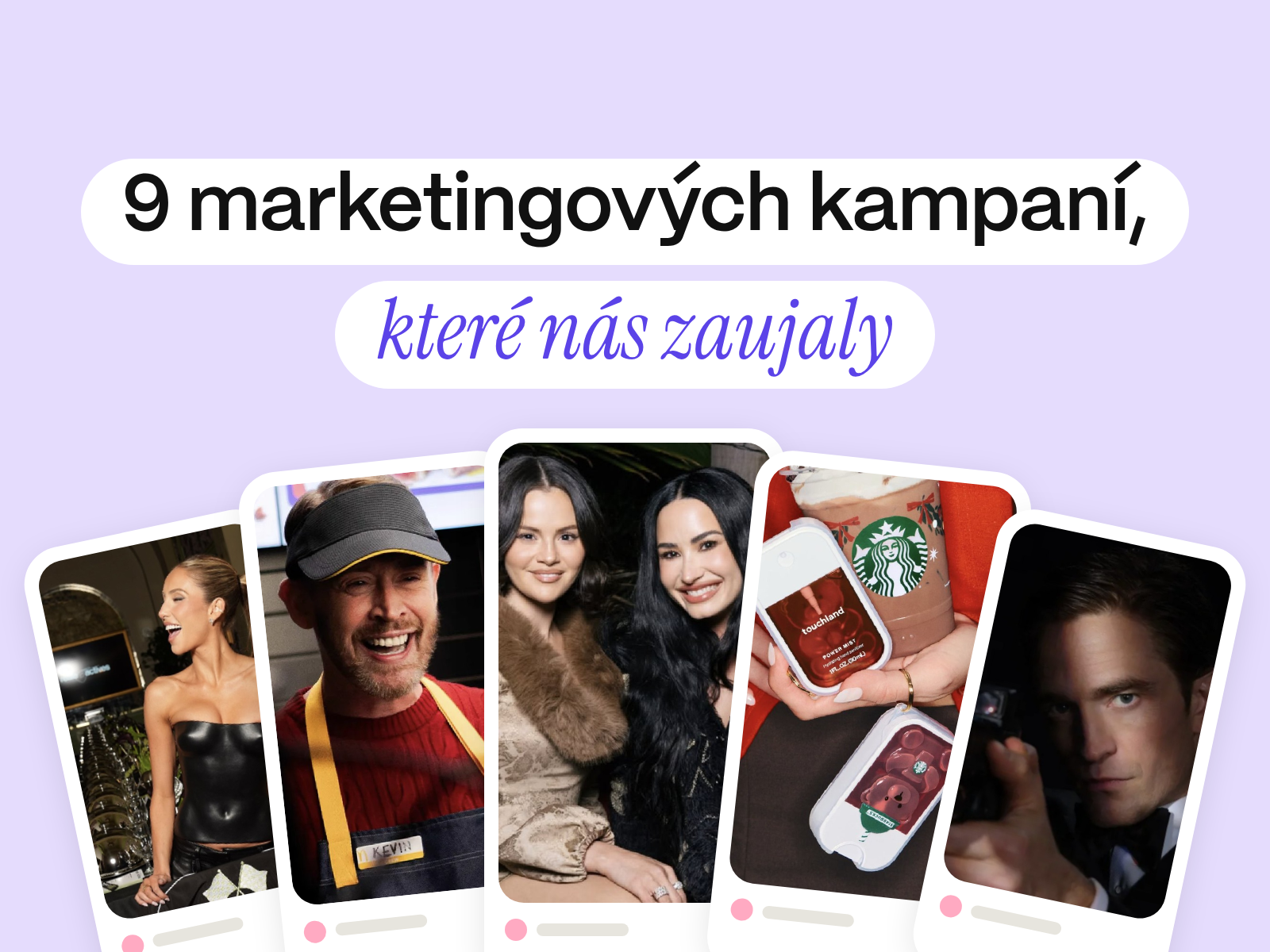
From Rare Beauty's Friendsgiving dinner to poppi Claus: 9 campaigns and collabs from November 2026 that show where creator marketing is heading. Plus what to take from them, whether you're a brand or a creator.
The campaigns that caught our eye in November 2026 all rest on three things: creators, nostalgia and experiences people want to share. In the first installment of our series Campaigns That Caught Our Eye, we picked nine campaigns and collabs, from Rare Beauty's dinner with Selena Gomez to "poppi Claus", and added what to take from each one.
This article is for both sides of influencer marketing. Brands will find ideas for campaigns, events and creator partnerships. Creators will find inspiration for what to make this season and how to pitch themselves to brands.
1. Rare Beauty: a dinner that ended at a Jonas Brothers concert
What happened: Selena Gomez hosted a Rare Beauty Friendsgiving dinner with Demi Lovato and guests from the community. Midway through the evening, she surprised them with tickets to see the Jonas Brothers at the Hollywood Bowl. It built on the October campaign "Still Making Each Other Blush", in which the two singers celebrate 25 years of friendship.
Why it works: The campaign and the event tell one story: the nostalgia of a generation that grew up on Disney Channel. The surprise at the end turned the guests into storytellers. They filmed the concert content, not the brand.
For brands: An event doesn't end with dessert. One unexpected moment creates more organic content than the entire program.
For creators: The most valuable event content is a real-time reaction. Film the moment of surprise, not just the outfit and the décor.
2. Reale Actives × Alix Earle: a Las Vegas Grand Prix takeover
What happened: Alix Earle, one of the biggest creators in the US, launched her own skincare brand, Reale Actives, this spring. At the F1 Grand Prix in Las Vegas, she turned it into a takeover: cardboard cutouts of Alix and racing-inspired vanity boxes delivered to hotel rooms.
Why it works: Alix would have been at the race and filming it anyway. The brand simply attached itself to content that was going to happen naturally. Fans got something physical they wanted to share.
For brands: Don't invent a new context for a creator. Ask where they'll be next month and set up something photo-worthy there.
For creators: Your calendar is valuable to brands. If you know where you're going, pitch a brand activation well in advance.
3. 007: Robert Pattinson and "Identity Confirmed"
What happened: The official 007 accounts on Instagram and X wiped all their previous posts and began repeating a single line: Identity Confirmed. Then a series of photos and videos revealed Robert Pattinson as the new James Bond.
Why it works: A wiped feed is a signal fans notice instantly, and they start speculating. Social media, not a press release, was the main stage for the announcement.
For brands: A big announcement deserves a storyline. A pause, a teaser and a reveal on the same day work better than a single post.
For creators: The same trick works on a personal profile. Before a major partnership or your own product launch, try a short teaser so your audience waits with you.
4. Touchland × Starbucks: a collectible Bearista for your bag
What happened: Touchland and Starbucks released a Bearista set: a hand sanitizer case shaped like the cult Bearista cup, plus a Peppermint Mocha scent brought back just for this collab. The $24.95 set sold out online within minutes on November 20, and it reaches Starbucks stores on December 1.
Why it works: Each brand borrowed the strongest thing the other has. Starbucks brought an icon people chased from store to store last year, and Touchland brought the bag-charm format. The result is affordable, small and perfect for unboxing.
For brands: Good co-branding doesn't combine logos, it combines symbols. Look for a partner whose icon you can translate into your product.
For creators: Limited drops that sell out in minutes are ideal for unboxing and "I actually got one" content. Whoever posts first collects the reach.
5. McDonald's: Kevin McCallister is home alone again
What happened: Thirty-six years later, Macaulay Culkin played Kevin McCallister once more, this time locked inside an empty McDonald's. The spot by Wieden+Kennedy promotes a limited-edition Home Alone Meal in a box shaped like the McCallister house.
Why it works: It's nostalgia with a product you can buy. The ad doesn't push the sale; it plays with a film people watch every holiday season anyway. The meal box itself becomes shareable content.
For brands: Nostalgia works when you pair it with something people can hold. A reminder of the '90s alone isn't enough.
For creators: Nostalgia trends have a short but powerful window. Reactions, scene recreations or a taste test of the meal in the first week bring the most reach.
6. Burberry: The Mark Hotel in red check
What happened: For the holidays, Burberry dressed The Mark Hotel in New York in its red House Check. The décor stays up until January 4, 2027, and the brand opened a private, appointment-only shopping suite in the hotel's penthouse. The campaign celebrates Burberry's 170th anniversary and has two more New York locations: Bloomingdale's and the 57th Street flagship.
Why it works: A luxury brand doesn't need discounts; it needs a backdrop. The Upper East Side hotel is a place where people go to photograph New York at Christmas, and this year they're photographing it in Burberry.
For brands: You don't need to build your own pop-up. Partner with a place that already has an audience and a festive atmosphere, and give it your visual signature.
For creators: Branded locations are a ready-made set. Brands appreciate it when you film their installation in a way that makes your followers want to visit too.
7. Emma Chamberlain returns to YouTube with a series about lines
What happened: YouTube announced a new series from Emma Chamberlain, "What Are You Waiting For?". In it, Emma interviews New Yorkers who stand in line for hours for a croissant or a sample sale. The premiere is planned for 2027.
Why it works: Creators are moving from short videos to series that look like TV. And lines are exactly what marketers love to manufacture. Emma asks why people go along with it.
For brands: A creator partnership doesn't have to be a single reel. A format the creator owns can give your brand a place in content people watch all the way through.
For creators: Your own repeatable format is your strongest negotiating position. A series is easier to sell to a partner than individual videos.
8. Anthropologie × Terrain: the holidays, one decorated tree at a time
What happened: Anthropologie and its home-and-garden sister brand Terrain built their holiday campaign around decorated Christmas trees, spreading holiday cheer one tree at a time. It continues a tradition: in 2024, the two brands decorated a New York Holiday House together, with a tree in every room.
Why it works: A tree is a product, a decoration and content all at once. Every decorated tree is ready-made inspiration people can buy piece by piece.
For brands: Show products in context, not on a white background. "How to style it" inspiration sells more than a catalog.
For creators: Home décor and "decorate with me" videos are among the strongest formats of the season. Interior brands actively look for these creators in November.
9. Poppi: Rob Rausch as "Poppi Claus"
What happened: Prebiotic soda brand poppi, now owned by PepsiCo, cast Rob Rausch as Santa in its holiday film, complete with a naughty-and-nice list. Through a link in bio, fans can check which list they're on and take a photo with "poppi Claus".
Why it works: Rausch is a long-term poppi partner who already appeared in the brand's 2025 Super Bowl ad. The audience associates him with the brand, so the holiday film doesn't feel like a one-off reach buy. The film also points to a seasonal flavor people can find in stores right away.
For brands: A long-term partnership with one creator builds a recognizable face. Every campaign after the first needs less explaining.
For creators: A repeat partnership with one brand is worth more than ten one-offs. Build a relationship, not just a campaign.
Conclusion
Whether you're a brand or a creator, this month's campaigns offer five lessons that work in any market:
- The creator as the brand. Alix Earle and Selena Gomez aren't faces for someone else's product; they're founders. Audiences trust them because they've followed them for years.
- Long-term over one-off. Rob Rausch with poppi, Anthropologie with its trees year after year. Repetition builds recognition.
- A physical moment that generates content. A vanity box in your room, concert tickets, a bear on your bag, a hotel in check. Guests and fans create the content.
- Nostalgia you can hold. The Disney era, Home Alone, Bearista. Memories sell when you can buy them.
- A storyline for the announcement. Bond shows that the wait is part of the campaign.
Carl for Social
Don't miss what's coming next.
Stay on top of social media trends and tips that help you grow your content on Instagram, TikTok, Facebook, and YouTube. Download Carl for Social — it's free.
Download app