Lessons from Runway: How Real-Time Marketing Mastered the Return of The Devil Wears Prada 2
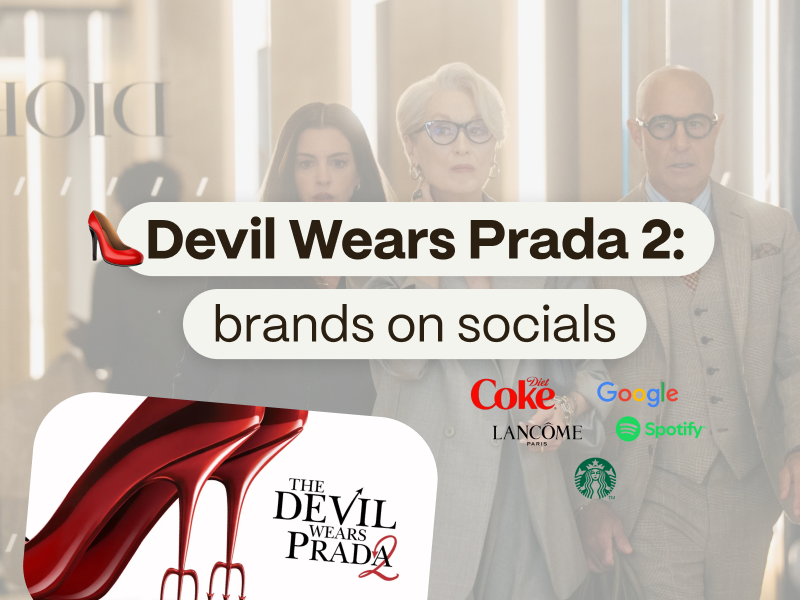
The return of Miranda Priestly became the pop-culture phenomenon of 2026. This article analyzes how global brands like Google, and Starbucks capitalized on the wave of nostalgia, using agile marketing and a deep understanding of their audience to turn a cinematic comeback into their own commercial success. Discover why pre-planned campaigns are no longer enough and why brands must learn to move at the speed of culture.
The return of the cult classic The Devil Wears Prada 2 triggered an immediate wave of attention across the internet. Fans shared their first reactions, media outlets reported on the comeback of iconic characters, and social media was flooded with references to Miranda Priestly, Runway magazine, and legendary lines from the original film. Even before the premiere, the sequel became one of the most-watched pop culture moments of the year.
However, it wasn't just the fans who reacted swiftly. Within hours, global brands joined the conversation, recognizing an opportunity to reach their audience in an organic and relevant way. Beauty brands tapped into the film's fashion aesthetic, tech companies utilized humor and real-time relevance, and lifestyle brands built on nostalgia and emotion.
It turns out that in 2026, marketing is no longer just about pre-planned campaigns. Equally important is the ability to read cultural moments in real-time and sensitively become a part of them. Those who react quickly, authentically, and with an understanding of their audience gain attention, engagement, and a stronger customer relationship.
The campaign surrounding The Devil Wears Prada 2 is a perfect example of how social media marketing works today and what brands of all sizes can learn from it.
Why Devil Wears Prada 2 Resonates So Strongly
- Nostalgia for Millennials and Gen Z,
- Iconic quotes and characters,
- The world of fashion + luxury brands,
- Strong female audience,
- The internet loves a comeback,
Brands love topics with emotional charge + community hype.
What Brands Did on Social Media
Diet Coke
Bet on the film's glamour aesthetic, positioning itself as a stylish accessory for the workday. Limited edition slim cans and visuals inspired by the Runway offices showed that the brand doesn't just sell a drink, but an entire lifestyle associated with fashion, elegance, and confidence.
Chose minimalist but clever humor. Their video leaned into the iconic "heel" motif and Miranda Priestly-style dialogue, demonstrating that today's cultural moments start with a search and that a brand can be part of a trend subtly yet effectively.
Grey Goose
Blended the worlds of film, fashion, and cocktail culture into a premium campaign. Limited packaging, events, pop-up activations, and a signature drink inspired by the film showed how a brand can leverage a pop culture moment while maintaining luxury positioning.
Lancôme
Utilized themes of ambition, beauty, and female empowerment naturally tied to the film. They integrated a new skincare line directly into the film’s universe, supported by storytelling with the cast and editorial collaboration with Vogue.
Spotify
Leaned into nostalgia and character personalities. Using a film-inspired playlist, they invited fans to discover which character they relate to most. This simple, fun format turned cinematic emotion into a musical experience.
Starbucks
Turned its menu into a fun personality test. A secret drink menu inspired by the main characters transported fans directly into the world of Runway. The blend of iconic coffee, characters, and nostalgia felt very natural.
TRESemmé
Became the official hair partner of the film, proving that Hollywood styling can be accessible to everyone. A special product line and a heavy influencer campaign bridged the beauty world and the pop culture moment effectively.
Key Takeaways for Brands
The campaign around The Devil Wears Prada 2 proved one vital thing: brands today don't always need to create their own "big moments." Often, it is more effective to recognize a moment already living among the people and join it the right way. The most successful brands didn't use a hard-sell approach. Instead, they leveraged the emotion, nostalgia, and cultural relevance the film naturally evoked.
What does this mean for your business?
1. Monitor cultural moments that resonate with your audience
It’s not just about movies, it’s shows, sports, viral trends, or award ceremonies.
2. React fast, but meaningfully
Timing is key, but you need a clear idea and context.
3. Don't just sell a product, be part of the conversation
People want entertainment and shareable content, not just ads.
4. Adapt the trend to your own tone of voice
Stay authentic to your brand identity.
5. Have an agile content mindset
Trends don't wait for long approval rounds. You need flexibility and a team that can create in real-time.
Conclusion
The Devil Wears Prada 2 is more than a sequel, it’s a masterclass in modern marketing. One cultural moment connected fans, media, and global brands across all sectors. In 2026, social media is where culture happens in real-time, and brands that can read it and enter gracefully will always be one step ahead.
Carl for Social
Don't miss what's coming next.
Stay on top of social media trends and tips that help you grow your content on Instagram, TikTok, Facebook, and YouTube. Download Carl for Social — it's free.
Download app