Record-Breaking Fine for Meta, War on AI Slop on LinkedIn, and New Instagram Rules
The fight against AI slop on LinkedIn, a historic settlement for Meta, and new e-commerce features on YouTube. Check out the top social media news you can't afford to miss this week.
Pressure to protect minors, an uncompromising fight against low-quality AI content, and deeper integration between social media and e-commerce. Digital platforms are responding to tightening regulations and users' growing demands for authenticity. Meta settles a historic $18 billion lawsuit, LinkedIn sharply curbs the reach of superficial generated posts, and Instagram introduces clearer rules for virtual profiles. Here is a breakdown of the key updates your business shouldn't miss.
Meta Settles $18 Billion Lawsuit and Pressures TikTok and YouTube
Meta reached an agreement with U.S. state attorneys general to settle a lawsuit alleging that it intentionally designed addicting features for children, misled the public about risks, and illegally collected data from users under 13. The prosecuting states in the California trial originally sought up to $1.4 trillion. State officials have called the outcome the largest settlement with a tech company in history.
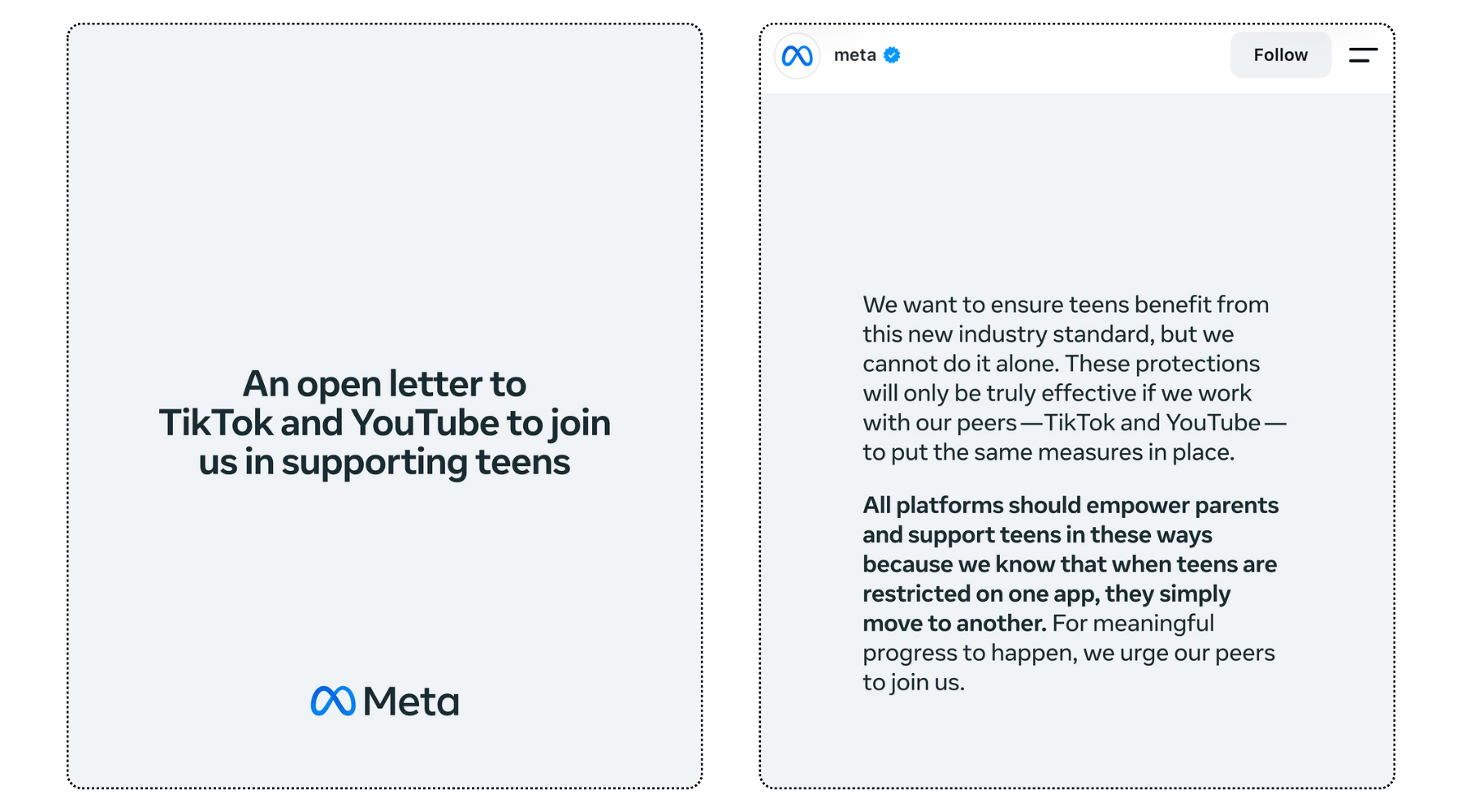
The agreement includes strict default protections for minors: a combined daily limit of two hours across Facebook and Instagram (adjustable only by a parent), a main feed lockout between midnight and 6:00 AM, muted notifications during school hours, and a ban on select face filters. However, the settlement carries a financial condition: Meta will pay $12.7 billion unconditionally. It will save the remaining $5.3 billion if TikTok and YouTube agree to the same rules and pay $5 billion each to the states. Meta immediately launched full-page ads in major U.S. newspapers publicly calling on its competitors to join the deal. If they refuse, Meta's commitments will apply for 5 years instead of the originally planned 10.
 LinkedIn Launches Anti-AI Slop Button and Reduces Reach of Generic Content
LinkedIn released initial data regarding its report button for "AI slop," generic filler content lacking real personal experience or human insight. Within the first two weeks, over one million people used the feature. Posts flagged as AI slop experienced an average 40% decline in views.
The platform is not penalizing creators for minor text edits via ChatGPT; rather, it is responding to mass community reports. Accounts accumulating high report counts receive recommendations in their analytics dashboard to rethink their content strategy. Simultaneously, LinkedIn is strengthening identity verification (human verification) and testing comment filters that prioritize replies from verified real users.
Instagram Updates Labels for AI-Generated Profiles
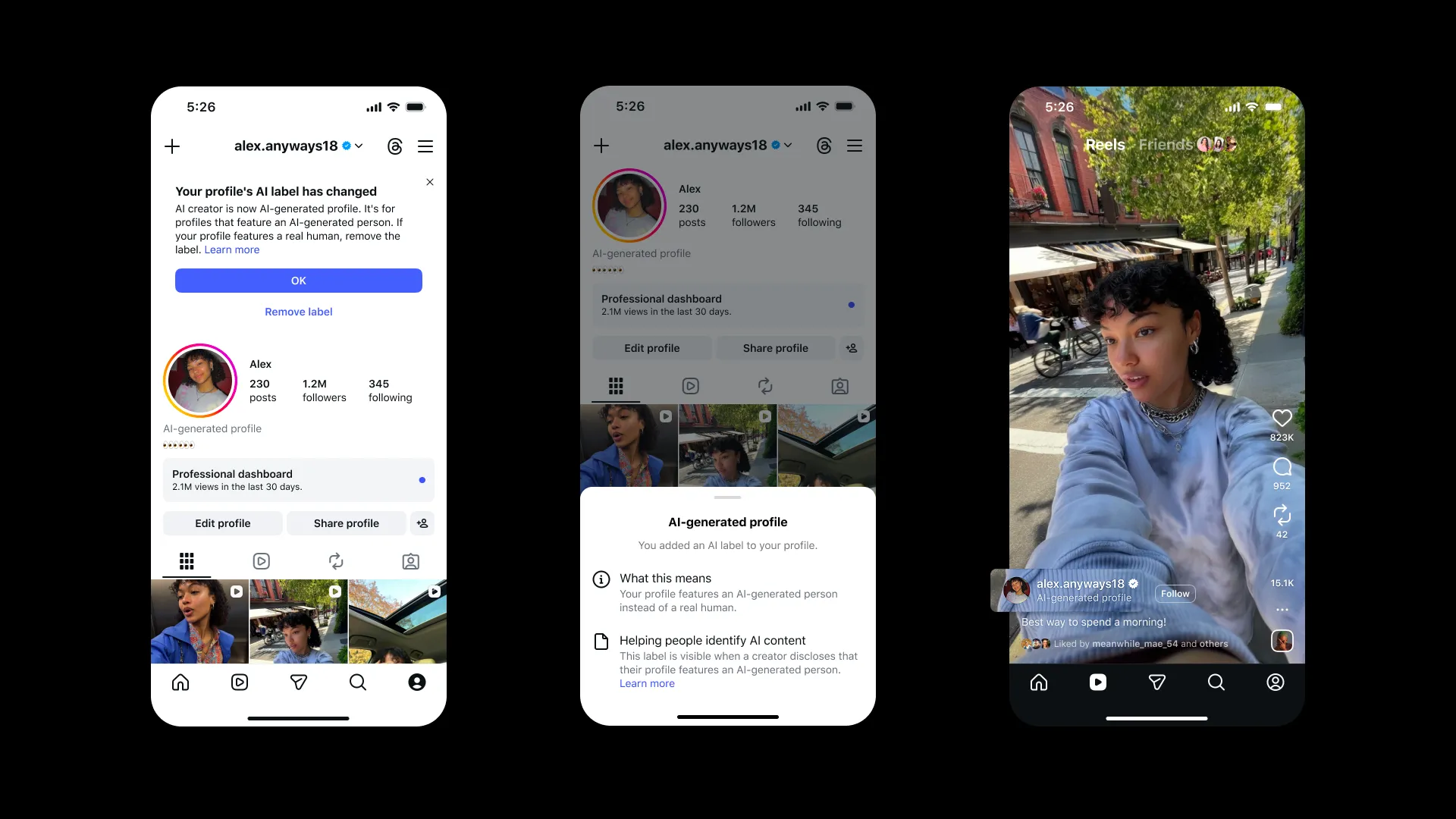
Instagram is updating its labeling system for accounts represented by AI characters. It is replacing the former "AI creator" label with the more precise "AI-generated profile." The change responds to feedback from users who felt misled when interacting with accounts that appeared to be real people.
The new label will explicitly state on the profile that both the visual identity and the persona are created by AI. For creators and brands leveraging AI influencers, the rule is clear: virtual profiles that do not accept this label or attempt to bypass it face severe restrictions on their organic reach.
 YouTube Integrates Amazon Affiliate Links Directly into the Interface
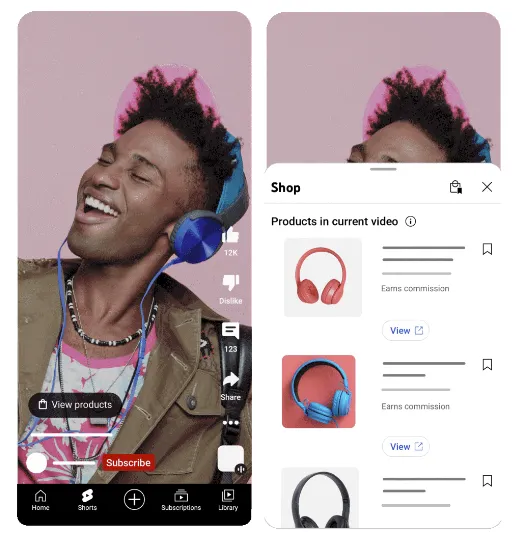
YouTube is expanding its e-commerce capabilities, making it easier for creators in partner programs to tag and earn commissions on Amazon products across standard videos and Shorts.
Creators can now link products directly within the video interface instead of driving viewers solely to external links in the description. YouTube is further simplifying the path from content discovery to purchase while solidifying its position in affiliate marketing.
 New Zealand Plans Its Own Social Media Age Restrictions
Following Australia's lead, New Zealand introduced proposed legislation to restrict social media access for teens. The proposal features stricter limits and mandates age verification by platform operators.
While the Australian model set a hard age limit at 16, New Zealand’s approach focuses more on systemic platform obligations and enhanced oversight of algorithmic recommendations. This signals that regulating youth access to social platforms is becoming a global trend.
Pinterest Sets Date for Annual Advertiser Showcase
Pinterest officially announced the date for its annual marketing showcase, Pinterest Presents. The platform will unveil upcoming ad formats, product updates, and shopping tools for the upcoming season.
For brands and agencies, this serves as a crucial milestone to gain early insights into targeting capabilities, visual search enhancements, and e-commerce integrations ahead of holiday campaigns.
 What Caught Our Eye at Carl
Sadie Sink x Calvin Klein
The second chapter of the "Feel the Fit" Fall denim campaign stars actress Sadie Sink. Following Tate McRae's playful, dance-driven showcase, Sink brings a more intimate, authentic vibe and effortless everyday style to the visuals.
Actually Away by Away
A new video series by Away that reimagines real fan-submitted travel stories into scripted short films, leveraging sentiment and travel humor.
Isobel Lorna's Agende teaser
A teaser for the new planner and organization brand Agende by creator Isobel Lorna, introducing a system designed to turn any "Type B" personality into a structured "Type A."
This week's developments highlight a clear trend: platforms are balancing regulatory pressures around youth safety with an active fight against generic AI content. For brands and creators, the takeaway is simple: algorithms and audiences alike will increasingly reward authenticity, verified human identity, and genuine experience over empty volume.
Carl for Social
Don't miss what's coming next.
Stay on top of social media trends and tips that help you grow your content on Instagram, TikTok, Facebook, and YouTube. Download Carl for Social — it's free.
Download app