Rhode’s $1B+ Playbook: How Hailey Bieber Redefined Influencer Marketing and D2C Sales
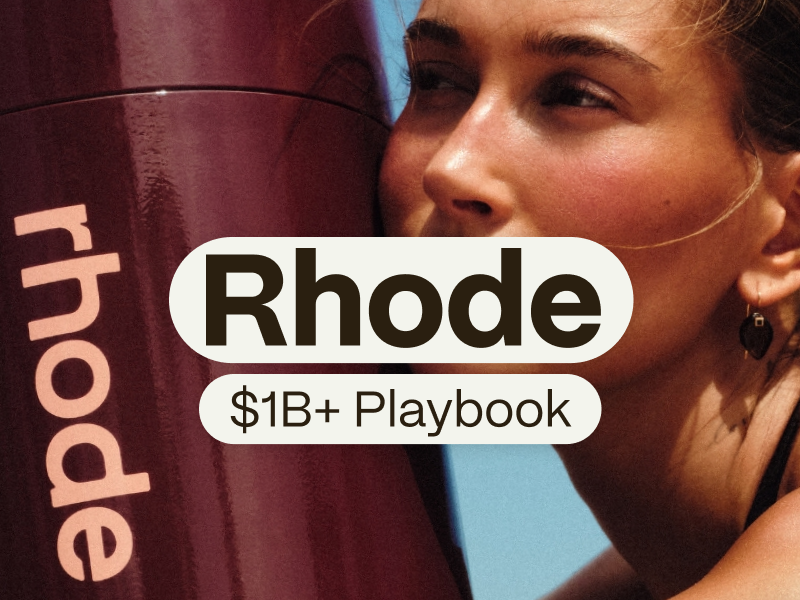
How do you turn a beauty brand into a billion-dollar lifestyle empire? Hailey Bieber’s Rhode proves that the era of blindly relying on celebrity faces is officially over. Their success: boasting $449 million in annual revenue, stems from a flawless synergy of sensory marketing, unapologetic visuals, and products designed from day one to market themselves on social media. Read our breakdown of this winning marketing playbook and discover how both brands and creators can apply these exact principles.
Some brands enter the market with a product. Rhode entered with a perfectly engineered ecosystem. Every single campaign feels completely intentional, every visual instantly sparks online discourse, and every new product drop utterly dominates social media platforms.
If you love numbers, the brand's business performance is just as impressive as its creative side. Rhode recently generated $449 million in annual revenue, tracking a year-over-year growth of over 35%. This clearly proves that great branding and hard business data can go hand in hand.
The beauty market is otherwise a graveyard of failed celebrity brands. Yet, in just three years, Rhode has grown into one of the fastest-growing beauty brands globally, culminating in an acquisition by industry giant e.l.f. Beauty in a deal valued at up to $1 billion. Let’s dive deep into the marketing playbook that transformed Rhode from "just another celebrity brand" into one of the most influential players of our time.
The Founder as the Expert, Not Just a Licensed Face
A celebrity often functions merely as a disconnected face attached to a logo. Rhode took the exact opposite approach: Hailey Bieber is deeply embedded in the brand, not just artificially assigned to it. Instead of only showing up on Instagram on launch day, she has spent years building a position of authority, someone who truly understands daily routines, product textures, ingredient selection, and what her consumer actually wants.
-
What Rhode did: They built the entire brand around Hailey’s genuine beauty identity: minimalist makeup, skincare-first formulas, and her iconic ultra-hydrated, glowing skin aesthetic ("glazed skin"). As a result, every new product feels like a natural extension of her personal routine.
-
Why it works: Consumers trust founders who are genuinely invested in their products. Rhode doesn't feel like a random licensing deal; it feels like a brand that could only exist under Hailey's direction. People today don’t just want a famous name, they want to believe the founder actually knows why the product should exist in the first place.
 Oversized Marketing: Unapologetic Visuals You Can't Ignore
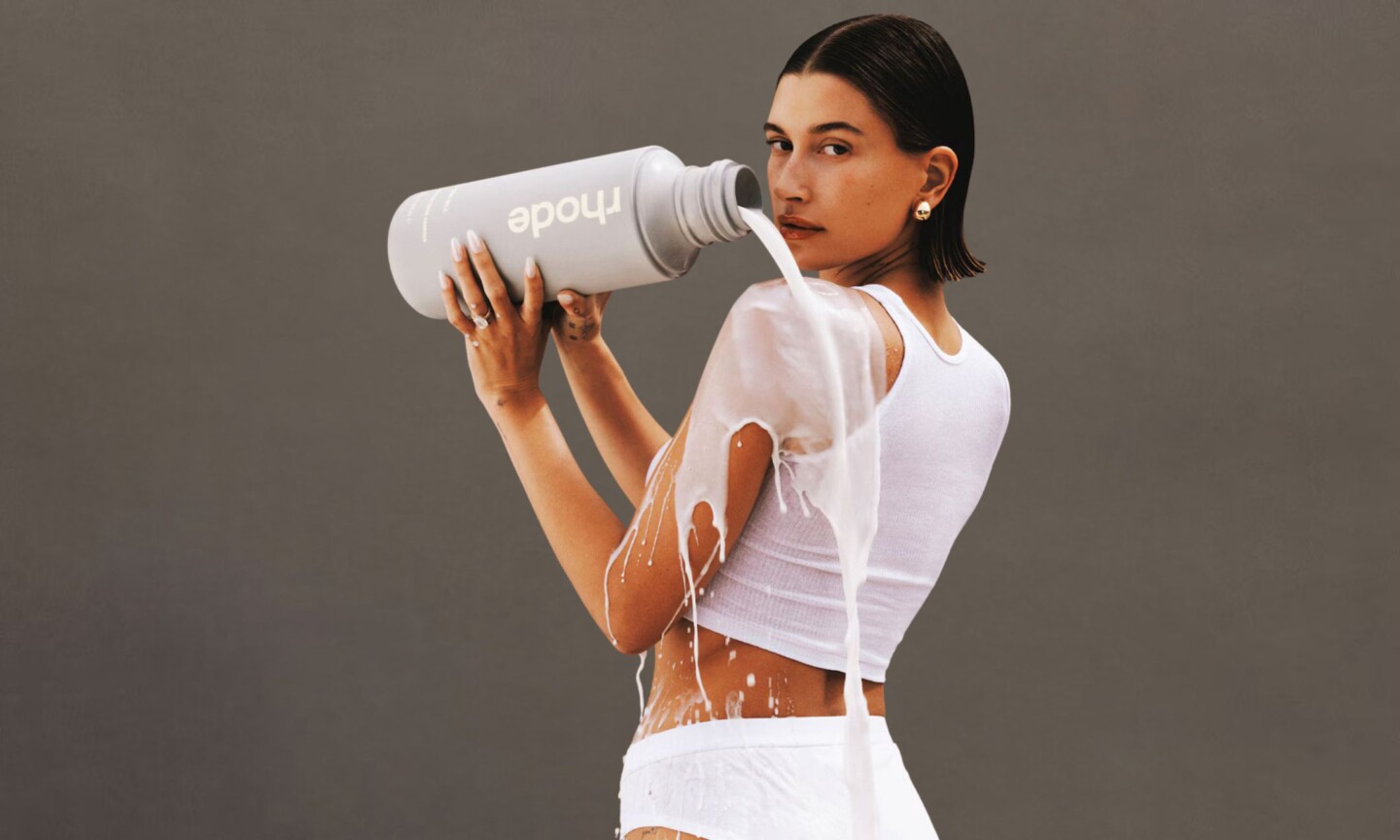
In overcrowded categories, simply looking "pretty" isn't enough anymore. Beauty brands are fighting for the same customer, the same retail shelf space, and the exact same fraction of attention in the mobile feed. Rhode understood that if their campaigns looked like dozens of others, they would simply vanish. So, they made their creative execution impossible to ignore.
-
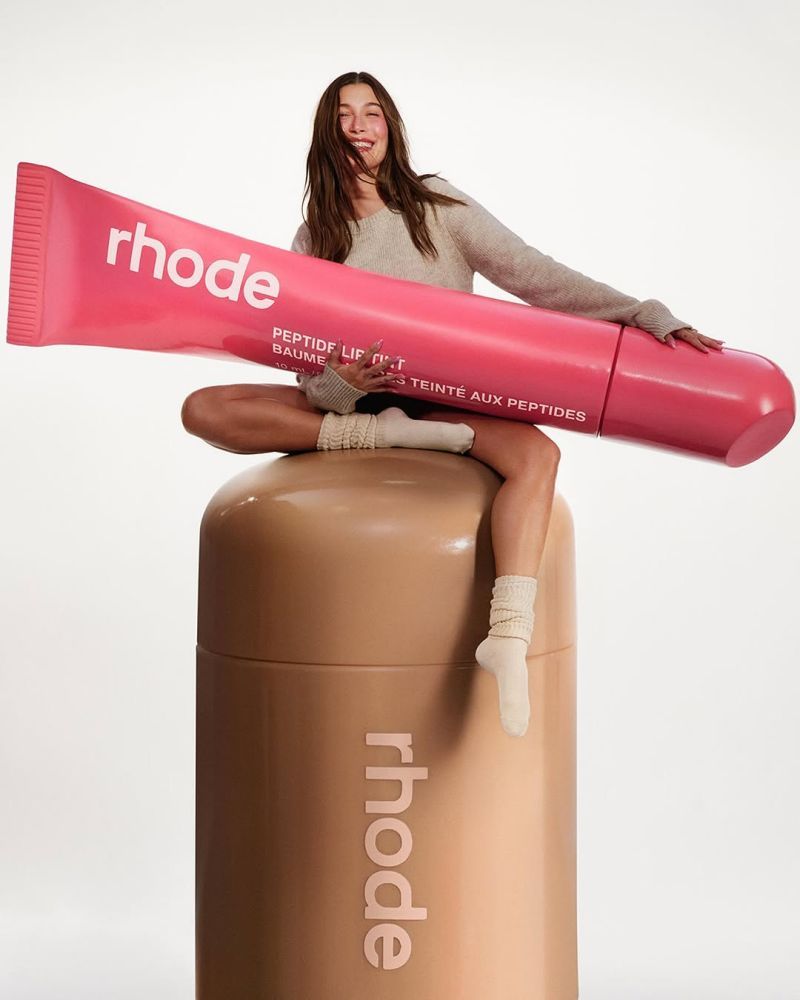
What Rhode did: They started leveraging giant, oversized product replicas and massive physical installations. Campaign visuals are bold, instantly recognizable, and deliberately dramatic. Every single launch moment is structured to be tailor-made for photos, reposts, and media coverage.
-
Why it works: Unexpected, high-impact creativity forces users to pause mid-scroll (the stop-and-scroll effect). Massive visuals give drops the weight of a culturally significant event. If your marketing campaign today doesn’t compel people to share and talk about it, you’re fighting an uphill battle.
 Sensory Marketing: How to Sell a Feeling Through a Glass Screen
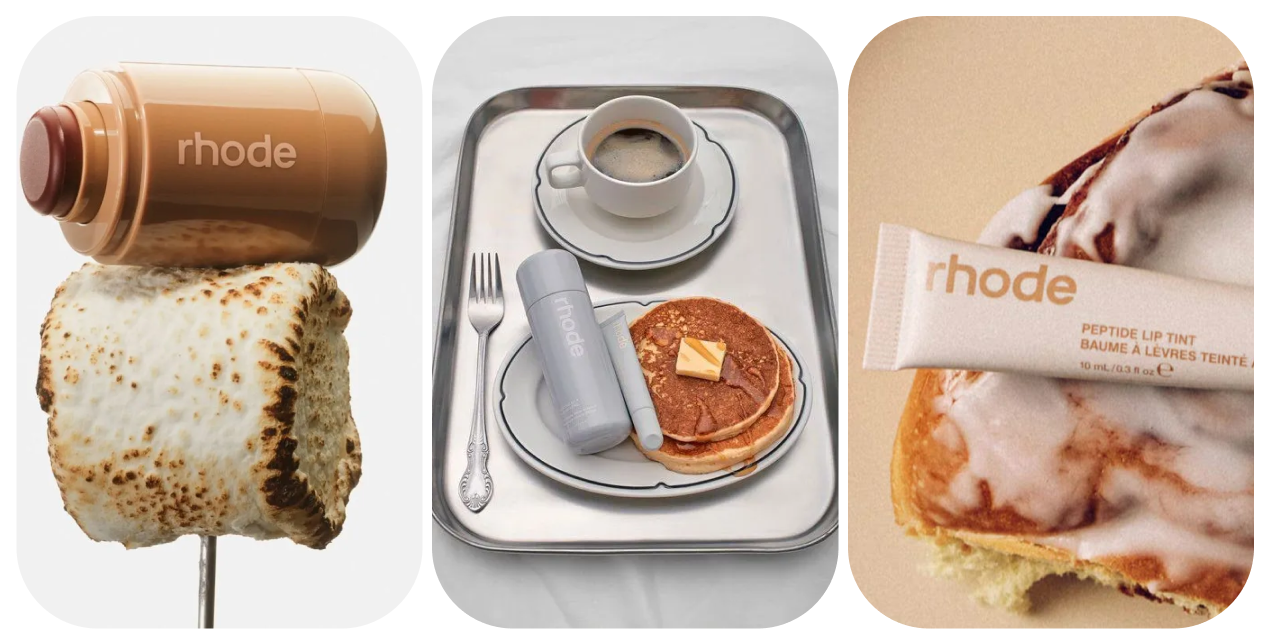
One of the biggest hurdles in online beauty retail is the inability to test, smell, or touch the product. Rhode bypassed this e-commerce challenge with masterclass sensory marketing, transferring a tactile experience directly through the smartphone screen.
-
What Rhode did: The brand utilizes ultra-detailed, glossy macro shots of skin and product textures. Campaigns systematically lean into food-inspired visuals (dripping, shine, thickness reminiscent of glazes). The formulas look so rich, smooth, and satisfying that they instantly trigger a desire to apply them.
-
Why it works: Customers can envision the actual product experience before buying, which dramatically lowers purchase hesitation. Rhode doesn't just tell customers that the products are hydrating or glossy; it shows them in a way that awakens an immediate craving to experience that feeling.
 Products That Market Themselves (The Lip Case)
The best modern products can’t just sit idly on a vanity. They must generate content on their own. Rhode pulled off a genius move in this department by introducing the Lip Case: a silicone phone case with a built-in slot tailored for the Peptide Lip Treatment.
-
What Rhode did: They took a beauty product and turned it into a functional, everyday mobile accessory. By doing so, they ensured the lip balm began appearing massively in mirror selfies, TikToks, and creators' daily content. The case became a walking billboard for the brand.
-
Why it works: The product generates massive organic visibility. Customers unknowingly become a core pillar of the brand's distribution and marketing strategy. Every mirror selfie share introduces Rhode to an entirely new audience in its most natural habitat: right where trends are discovered (GRWM videos, lifestyle content).
 Absolute Aesthetic Alignment with Creators
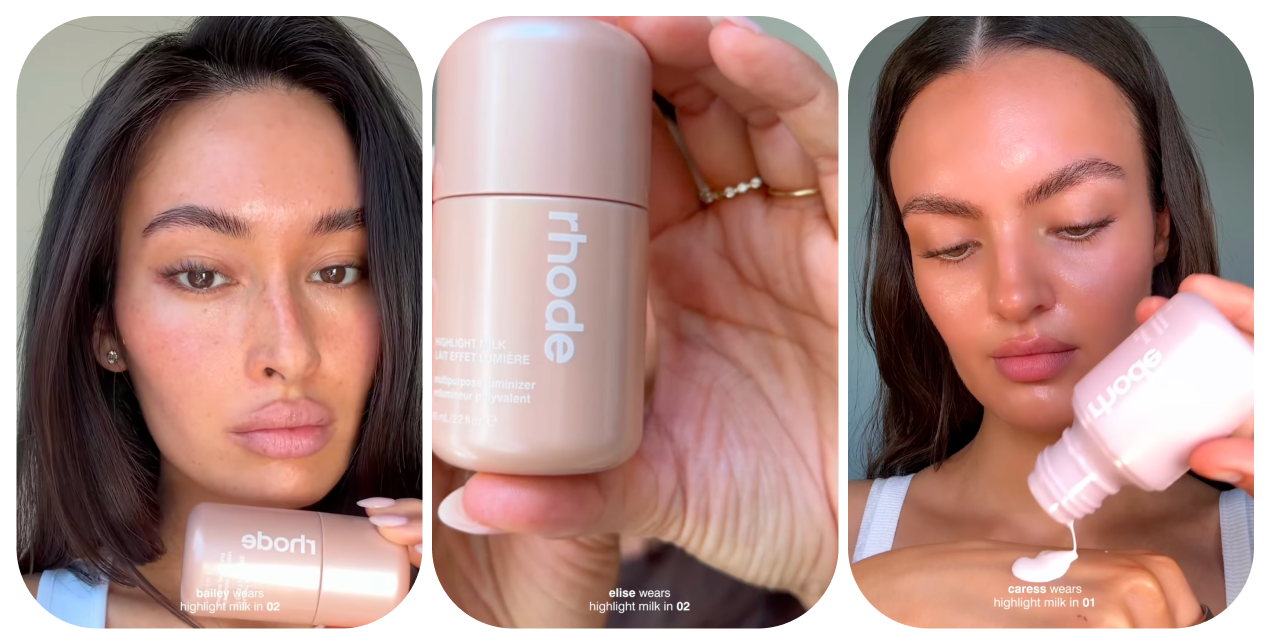
Rhode’s influencer strategy isn't built on a simple chase for follower counts. The keyword here is absolute visual and value alignment. The brand very deliberately collaborates with creators who already naturally belonged in its universe.
-
What Rhode did: They seed packages and gifts to creators (across all tier sizes) whose aesthetic perfectly matches the brand’s identity: minimalism, clean visuals, soft-glam makeup, dewy skin, and premium lifestyle content. Through this, they established a cohesive visual language across the internet.
-
Why it works: This makes Rhode feel like it’s everywhere, yet it never feels random or forced. Even though the content is generated by dozens of different people, the final output holds together as one unified universe. Consequently, product recommendations from these creators feel organic and trustworthy.
 Building a World You Want to Belong To
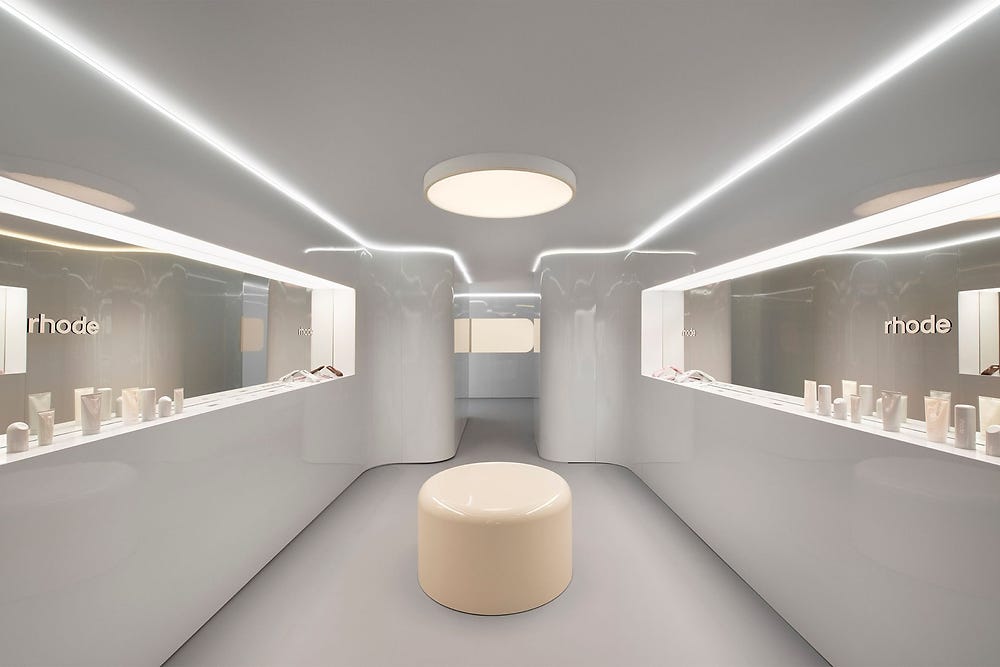
This is arguably Rhode’s ultimate strength. The brand doesn’t just sell commodities; it builds an aspirational, cohesive world around them. Creator trips, exclusive dinners, pop-ups, and immersive experiences aren’t just there to make influencers feel special. They are designed as content factories that evoke a deep desire for belonging.
-
What Rhode did: Every single touchpoint: from event location, styling, food, and outfits down to the camera angles, is curated to perfection. The goal isn’t to force a creator to take a photo of a cream tube; it’s to make them capture the entire flawless lifestyle revolving around the product.
-
Why it works: Shared experiences create powerful emotional bonds. Creators generate aspirational content completely naturally, and the end consumer ultimately doesn't just crave the lip balm, they crave access to the Rhode universe. This is how Rhode moved out of the "skincare brand" box and into the position of an iconic lifestyle brand.
 Key Takeaways
For Brands:
-
Demand sensory campaign briefs: Don’t just settle for a static photo of a creator holding your product. Guide them in the brief to show textures in close-up detail, the application process, and real shine or consistency. Show the result so clearly that it feels tangible through the screen.
-
Prioritize aesthetic alignment: Do not choose creators based solely on who has the largest reach. Look for influencers whose feed already visually matches your brand’s tone. The resulting campaign will feel like a natural recommendation rather than a paid ad.
-
Create a product marketing trigger: Think about how to design or package your products so they become a natural prop in a creator's daily content (e.g., an aesthetic bottle on a desk, a design element that pops in a selfie).
For Creators:
-
Build an expert position in your niche: Don’t try to recommend everything to everyone. Find your clear visual style and focus (e.g., skincare, minimalism, tech gadgets). When you pick up a campaign, your community will trust you because they know you truly understand the topic.
-
Master macro shots and details: Say goodbye to boring reviews. Learn to work with lighting, shoot textures up close, and show application details. Make the product look so visually satisfying in your video that your followers instantly want to experience it.
-
Integrate brands organically into your world: The most successful influencers do advertising so smoothly that it blends into their day within seconds. Use collaboration products naturally in your GRWM videos, daily vlogs, or life snapshots. Brands look for and highly reward this exact authentic approach.
Carl for Social
Don't miss what's coming next.
Stay on top of social media trends and tips that help you grow your content on Instagram, TikTok, Facebook, and YouTube. Download Carl for Social — it's free.
Download app