The Strategic Turnaround of the Decade: How Coach Rose from the Dead and Why Gen Z Loves It
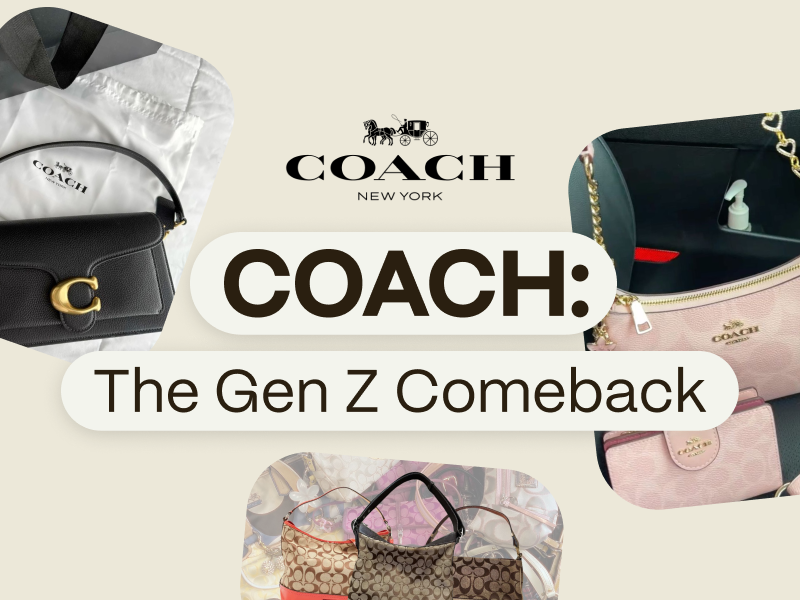
How did a forgotten brand left at the bottom of closets become the absolute darling of the internet? This blog post breaks down the iconic brand Coach and its biggest business resurrection of the decade. Discover how Coach used hard data to turn luxury marketing upside down, why it bet on taste over wealth, and find inspiration here whether you are a brand or a creator.
Imagine a handbag you’d rather hide at the bottom of your closet than take out for a walk. That’s exactly where Coach stood around 2012. The brand had fallen into the trap of its own success. Their bags, covered in giant "CC" logos, were everywhere, in every cheap outlet and shopping mall. And when something is everywhere, it stops being special.
Coach trained people to buy only on sale. The magical desire to own a luxury piece vanished completely, and the company's value cut in half. Coach simply became a "brand for everyone," and it seemed its time was up.
 But fast forward to 2026, and the financial report numbers are breathtaking:
-
A 29% revenue growth in a single quarter.
-
2 million new customers (and get this, 35% of them are Gen Z!).
-
In China, the brand skyrocketed by an incredible 58%.
Coach is becoming the hottest brand of the moment. How did they do it? At Carl for Social, we looked into the data and the marketing psychology behind it.
Gen Z Doesn't Want to Fake Wealth, They Want to Show Taste
The entire fashion industry lived in an illusion for years. It assumed that Gen Z craved expensive luxury goods but just couldn't afford them. So, brands created cheap, watered-down collections for young people, which only ended up ruining their own good names.
But Coach, under the leadership of Creative Director Stuart Vevers, understood a crucial thing: Today's youth do not want to fake wealth. They want to telegraph taste.
There is a massive psychological difference between these two concepts. A person who wants to show off wealth needs a prominent logo that screams to everyone in the room: "This cost a fortune!" A person who wants to show off taste looks for a story, aesthetics, and design. They want to show the world that they make considered, thoughtful choices.
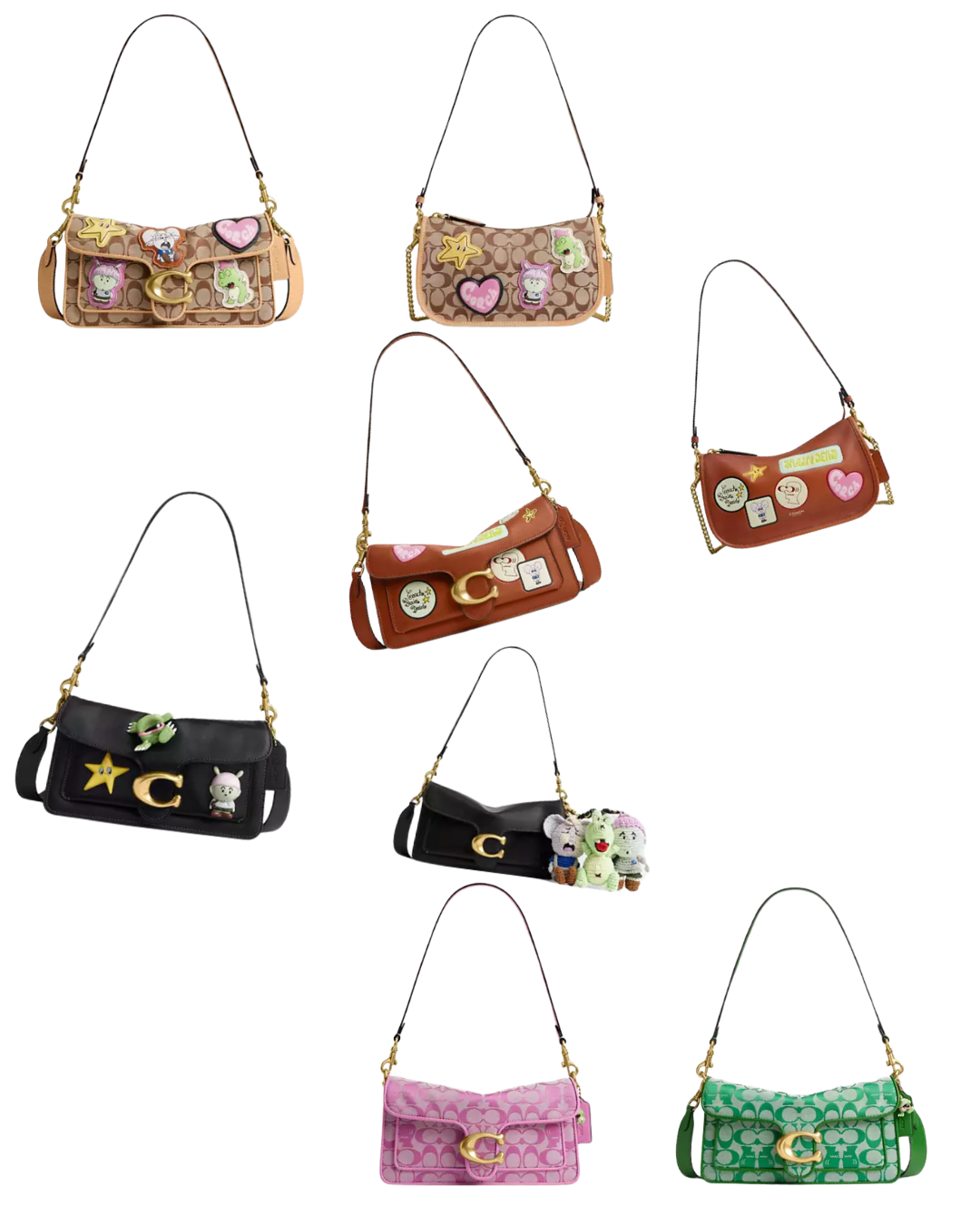
The Coach Tabby handbag became the ultimate symbol of this strategy. It is a clean retro design inspired by the 1970s. It doesn't shout its price tag to the world, but anyone in the know recognizes it instantly. It has become a new form of social currency. Because unlike money, you cannot fake taste.
The "Reverse Influence" Effect (Or, When Kids Teach Their Parents)
Marketing has always followed an old playbook: acquire older customers who already have money first, and the younger ones will eventually look up to the brand and grow into it. Coach inverted this pyramid entirely. They targeted young people on TikTok and Instagram and triggered an avalanche known in data analysis as reverse influence.
When Gen Z started proudly carrying Coach, their older millennial siblings took notice, followed by their Gen X parents. And it works better than any paid advertising campaign. When you see your stylish 22-year-old daughter or sister wearing Coach, you subconsciously think: "Ah, the brand is cool again; it's no longer that outlet mainstream." And you go out and buy it too.
For Coach, Gen Z wasn't just one of many target demographics; they became a cultural ambassador and the engine that restored the brand's prestige across all other age groups.
@amour.chanell_ She in fact did buy the coach bag 🤭🥹 do we want a reveal 👀 @Coach #trend #coachoutlet #mommydaughterduo #fyp #oldestdaughter ♬ original sound - naddy🩹 - Soriko Philippines
Less Stuff, More Desire
You know that paralyzing feeling when you walk into a store and have no idea what to choose because there is too much of everything? Coach made a sharp management cut. They slashed the number of models and variations in their lineup and put all their chips on just a few products.
On top of that, they started applying a strategy of drops = limited editions designed to sell out in days rather than sit on shelves for weeks. A prime example is their limited pink collection. Management originally planned for it to cover six months of demand. Thanks to organic hype on social media, it was completely gone in a matter of days.
By offering less stuff but presenting it with a clear point of view, Coach achieved the ultimate business goal: sales volume grew, and they were able to increase the average unit price at the same time. Customers lost any reason to wait for a sale because they realized that if they didn't buy it right now, it wouldn't be there tomorrow.
 How to Take Inspiration from This as a BRAND?
If you sit on the business, marketing, or e-commerce side, the Coach story holds three essential lessons:
- Look for creators based on aesthetics, not just numbers: If you want people to buy your product for its value (and not just for discount codes), stop picking influencers based solely on follower counts. Look at the buying psychology. Find creators who have a strong visual taste, whose audience genuinely interacts with them and trusts their recommendations.
- It’s time to target community builders: Don’t be afraid to invest in the younger generation, even if their budget is tight right now. If your product is organically embraced by the community that currently decides what is "cool" on the internet, the reverse influence effect will inevitably kick in, pulling in wealthier, older customers as well.
- Measure emotion and retention, not just clicks: A successful campaign isn’t measured by how many people clicked a discount link. The real goal is building Lifetime Value (LTV). Check your reports to see if people start talking about your brand in a different context after the campaign and if the desire for full-price products is growing. Protect your margin from the discount spiral.
How to Work with This as a CONTENT CREATOR?
If you create content for TikTok, Instagram, or YouTube and want to collaborate with big brands, Coach has shown the direction the market is heading:
- Move from "showing things" to telling stories: Basic reviews like "here is a product and it costs this much" are exhausting. Modern brands look for creators who can breathe mood, atmosphere, and detail into a video. Focus on quality, sustainability, or the stories behind the brand and product. Show that you actually have taste, not just expensive equipment.
- Be ready for fast trends and "drops": The marketing world is speeding up. When a brand launches a limited edition, it needs creators who can catch the wave instantly and create content that triggers a healthy dose of FOMO (Fear of Missing Out). Track subconscious trends and stay flexible.
- Build a community that trusts you: Your greatest value to any business is your credibility. If you promote something different every minute just for a quick buck, you will lose your community and yourself. Today, brands want micro- and macro-influencers whose recommendation carries the weight of an honest word between friends.
The future of marketing simply doesn't belong to those who shout the loudest or hand out the biggest discounts. It belongs to those who can connect hard market data with an authentic human story.
Carl for Social
Don't miss what's coming next.
Stay on top of social media trends and tips that help you grow your content on Instagram, TikTok, Facebook, and YouTube. Download Carl for Social — it's free.
Download app