WhatsApp Is Changing Identity, TikTok Is Selling Series, and Influencers Are Becoming Media Companies
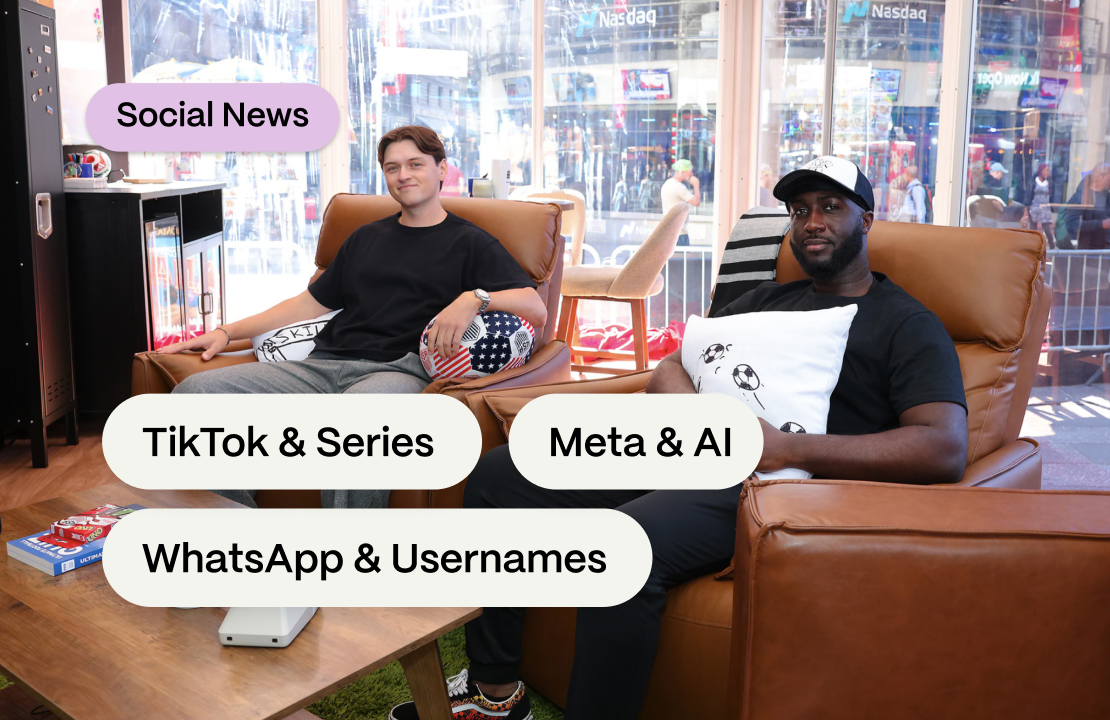
In recent days, social networks have once again moved further away from the simple idea that they are just feeds for photos, videos, and advertising. This week shows clearly that platforms want to control a much larger part of digital life: user identity, creative production, content distribution, social commerce, creator marketing, and the measurement of impact beyond their own apps.
WhatsApp Usernames: Privacy, Identity, and a New Problem for Governments
The biggest change of the week is WhatsApp usernames. Meta has opened reservations for WhatsApp usernames ahead of the full launch of the feature, which is expected later in 2026. The idea is simple: people should be able to communicate with a new contact without having to reveal their phone number. WhatsApp says the feature is voluntary and designed to protect privacy, since a phone number is often connected to many other parts of a person’s life.
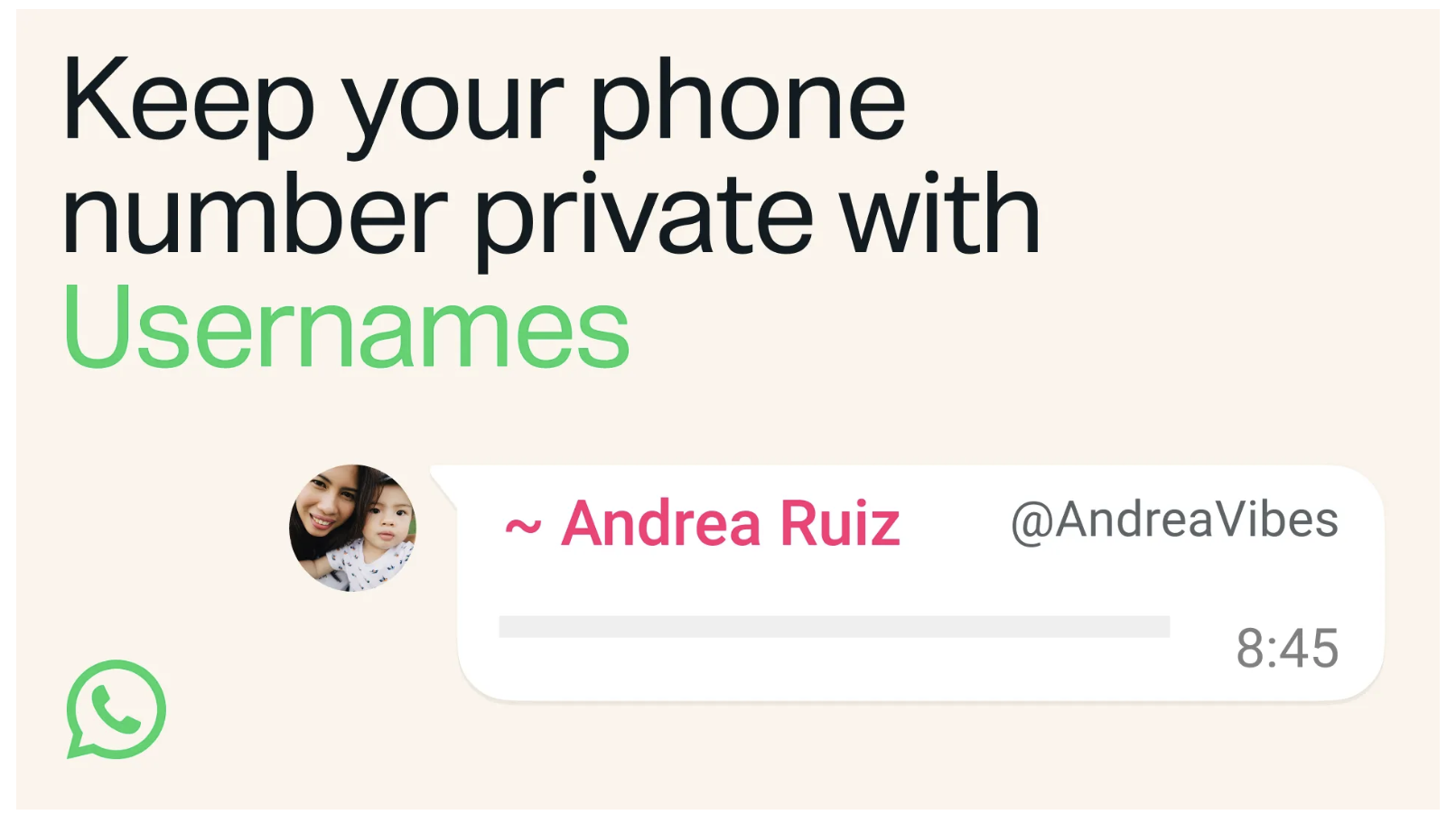
In reality, however, this is not just a privacy update. WhatsApp was built around the phone number from the beginning. That made it an extremely useful communication tool, but also a problem for groups, events, customer support, marketplace communication, creators, or people who do not want to give their number to unfamiliar contacts. Usernames therefore change the basic identity layer of WhatsApp: the phone number is being replaced by a platform handle.
But this change immediately opened up the other side of the debate. TechCrunch pointed to the risk of impersonation of well-known people and institutions. Meta says it protects the names of public figures, government entities, and some of their variants, but the question remains where exactly the boundaries of that protection begin and end. Meanwhile, according to Reuters, the Indian government has asked WhatsApp to pause the rollout in India until consultations are completed. The reason is concern over fraud, phishing, and impersonation. India is WhatsApp’s largest market, with more than 500 million users, so this is not a marginal dispute. It is the first major regulatory test of WhatsApp’s new identity layer.
Meta Is Sending Generative Creative Directly Into the Feed, Stories, Chat, and Ads
Meta is also moving another part of its ecosystem forward: creative production. It introduced Muse Image, its first image-generation model from Meta Superintelligence Labs. The model is available in Meta AI, powers new AI effects for Instagram Stories, generates images in Meta AI chats on WhatsApp, and is also expected to come to Meta Advantage+ creative for advertisers.
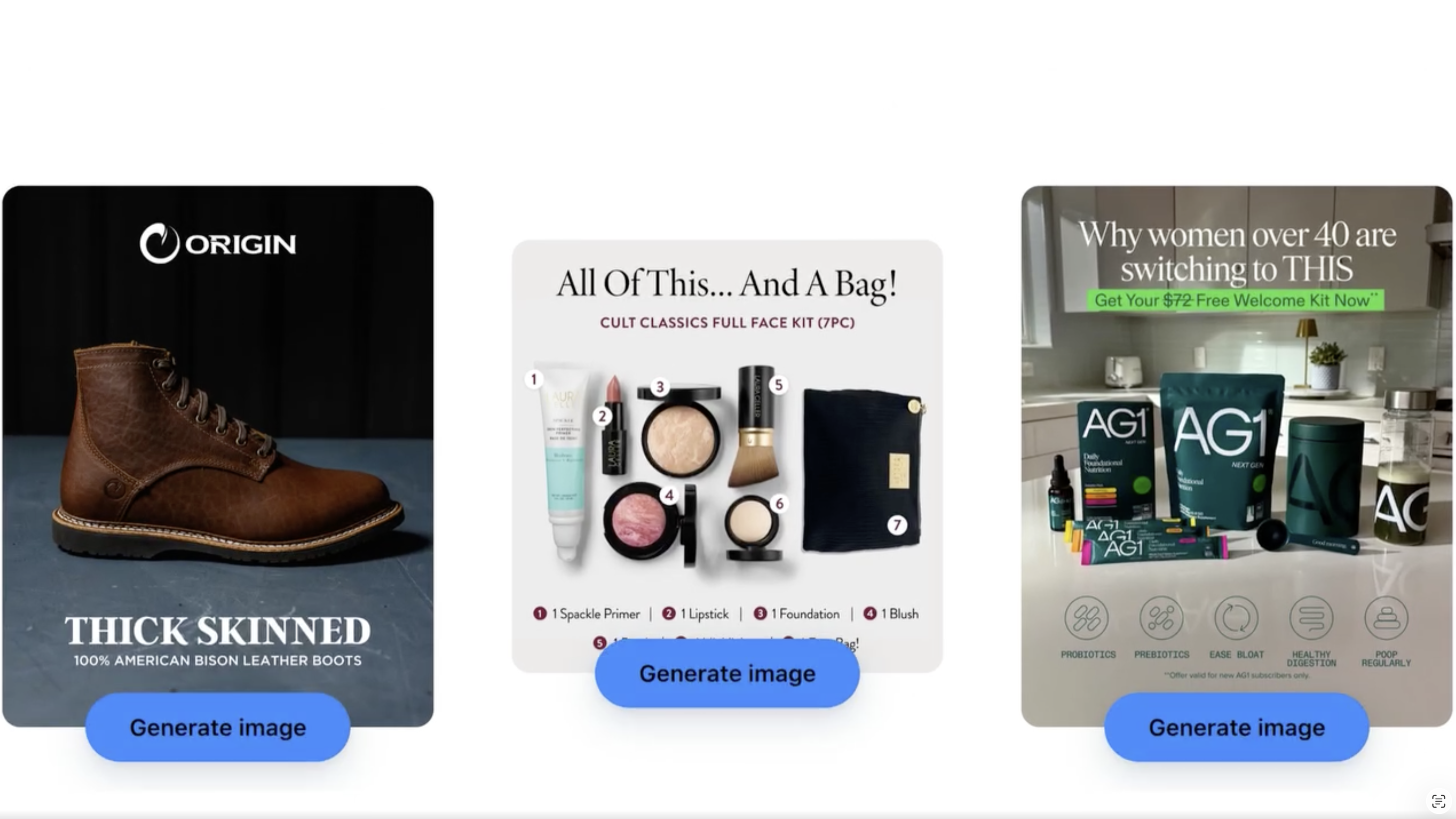
The important detail is that Meta does not want AI creation to sit separately in a standalone tool. It wants to place it directly where content is created, sent, published, and promoted: in Stories, chat, the feed, and the advertising system. But this is exactly where another sensitive issue emerges. Muse Image also allows users to work with public Instagram content by tagging an account in a prompt. For brands, creators, and public figures, this creates a new question of control over their own visual identity.
TikTok No Longer Wants Just Videos. It Wants to Turn Brands Into Series Creators
TikTok, meanwhile, is showing that brands should no longer create only individual videos. They should create series. TikTok For Business introduced Growth Max for Mini Series, an advertising and distribution solution for episodic content directly on TikTok. The platform is formalizing microdrama as a business format: short vertical episodes, characters, conflict, continuation, monetization, and performance distribution inside one system.
This is no coincidence. Microdramas are quickly moving from the edges of the entertainment industry into the mainstream. Associated Press reported that Issa Rae and her Hoorae Media launched the TikTok-backed thriller Screen Time, which reached nearly 75 million views in its first week. AP also cited an Omdia estimate that global microdrama revenue is expected to reach 14 billion dollars by the end of 2026. Peacock, Fox Entertainment, TelevisaUnivision, Kevin Hart, Kim Kardashian, and Taye Diggs are all entering the format.
TikTok Is Turning Fans Into Campaign Distribution Networks
TikTok also shows very clearly how a cultural moment can become a participatory fan system. For Olivia Rodrigo’s album campaign, it launched an in-app experience with official content, fan spotlights, and CapCut templates inspired by the visual world of the album.
Fans did not just receive a prompt to “use the song.” They received an entire creative toolkit in which they could make their own edits, enter the album’s aesthetic, and continue spreading the campaign. This is where creator marketing is heading: fewer one-off challenges, more prepared creative systems that audiences can naturally join.
YouTube Shorts Is Moving Closer to Instagram and TikTok
YouTube, meanwhile, continues to expand Shorts beyond pure video. Image posts and carousels are entering the Shorts feed, and eligible creators can add music to them. YouTube is beginning to absorb static images, carousels, text layers, and visual storytelling that people have mainly become used to consuming on Instagram and TikTok.
For creators, this is a quietly significant change. They do not always need to produce a full video. They can work with photos, backstage material, graphic explainers, screenshots, text slides, cover art, merch previews, or fan content. As a result, the Shorts feed is expanding from a video feed into a broader visual distribution surface.
Google Is Starting to Measure Social Content as Part of Search
Another important shift comes from Google. Google Search Console is introducing platform properties, which are meant to show creators and publishers how their content from Instagram, TikTok, X, and YouTube appears in Google Search and Discover. Creators should be able to see queries, clicks, impressions, top posts, and other metrics.
This means social content is no longer measured only inside the platform itself. It is becoming part of the search ecosystem, and therefore part of the long-term discoverability of brands, people, and content. A YouTube review, a TikTok explainer, an Instagram carousel, or an expert LinkedIn post may gradually start functioning in a similar way to content SEO.
Fox One Shows That Influencers Are No Longer Just a Media Channel. They Are the Event Itself
The best marketing example of the week is Fox One and its World Cup activation. Business Insider reported that Fox One built part of its campaign around “Chief World Cup Watchers”: Kevin Akoto and Austin Franklin were paid 50,000 dollars to watch all 104 matches from a transparent cube in Times Square. The attraction became a physical event, online content, and a viral fan moment.
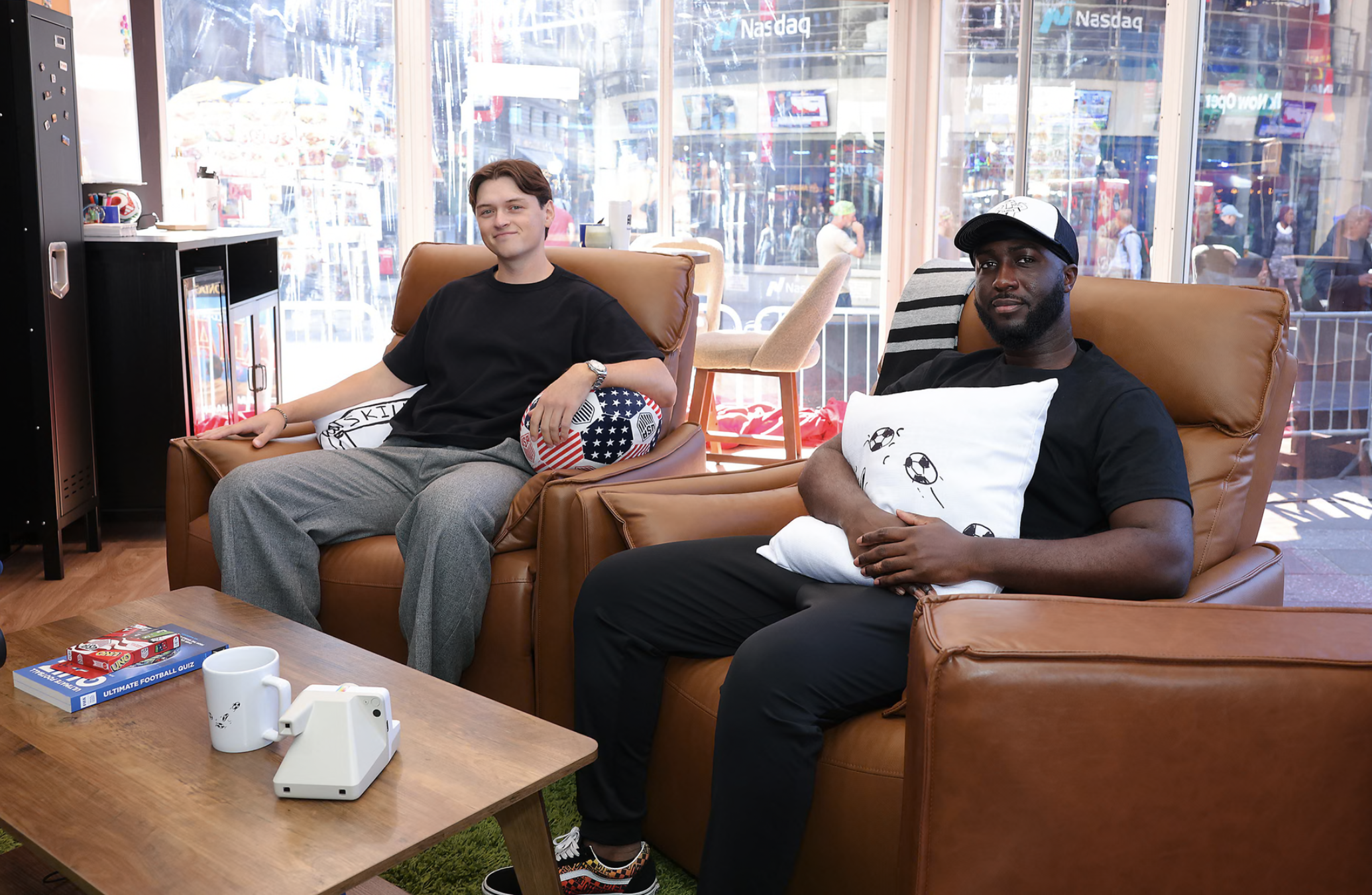
Fox One is also working with iShowSpeed on watchalongs and other World Cup content. This is an excellent example of modern sports marketing: the brand did not simply create an advertising spot. It created a situation that people can watch, visit, comment on, share, and expand further through their own content.
What This Means for Brands, Creators, and Social Teams
The whole week points to one shared trend: platforms are no longer fighting only for time in the feed. They are fighting over identity, creative production, fan distribution, commerce, measurement, and the relationship between creators and audiences.
The winners will therefore not be those who merely create “content for social media.” The winners will be those who can build entire media and communication systems around people, brands, communities, and events.
Carl for Social
Don't miss what's coming next.
Stay on top of social media trends and tips that help you grow your content on Instagram, TikTok, Facebook, and YouTube. Download Carl for Social — it's free.
Download app