Workplace Fandom and the Creator Era: The Ultimate Marketing Playbook for the 2026 Football Feast of the Year
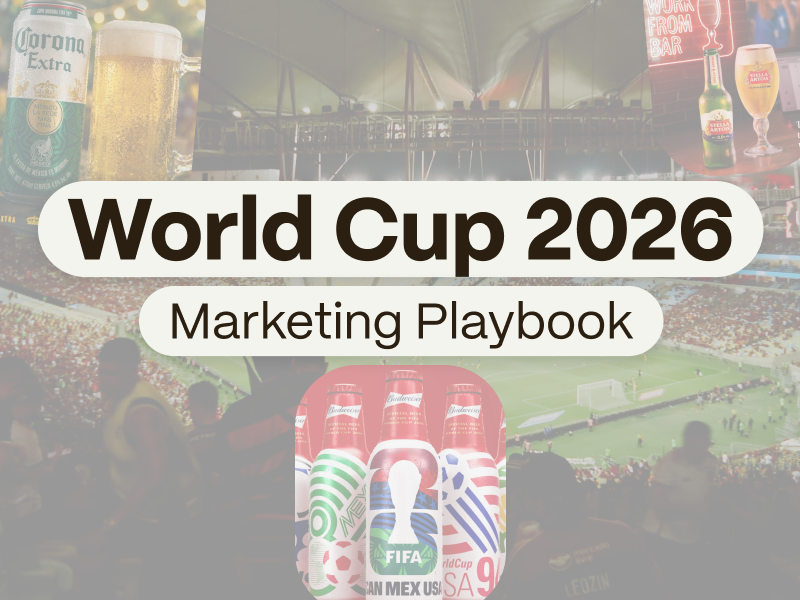
Yesterday, it all kicked off. The opening whistle in Mexico City marked the start of the biggest sporting event of 2026. While millions of fans are tuning into their second screens right now from their office desks, brands and creators are battling for their attention. How can you ride this global wave, learn from the giants, and avoid hiding in fear from FIFA’s strict regulations? We bring you a fresh strategic playbook packed with real-world examples.
It is Friday, June 12, 2026, and global football fever has officially consumed the planet. This year’s tournament, co-hosted by the USA, Canada, and Mexico, brings a revolution not just in the number of teams (historically, 48 for the first time), but primarily in how and from where the audience is watching. Forget about crowded pubs in the late evening hours. We are entering an era that a fresh report by tech research platform Zappi has dubbed Workplace Fandom.
For the marketing world, this means only one thing: you either jump on the moving train right now, or you will remain invisible for the next month. But how do you score when you don't have a billion-dollar budget and strict FIFA lawyers are breathing down your neck? Let’s break down the game plan.
The Anatomy of the Tournament: Who Is Watching and What Are We (Not) Allowed to Do in Marketing?
Who Makes Up the 2026 Audience?
Due to the time zone difference in North America, a large portion of key matches are broadcasted while the European audience is at work. Data from the Zappi report shows a clear shift in consumer behavior:
- 📊 48% of employees plan to actively watch matches directly during their working hours.
- 📱 37% of viewers will use a so-called "second screen" (a smartphone or tablet placed next to their work monitor).
The audience might physically be in the office, but their minds are out on the pitch. They are online, their fingers are on their keyboards, and their phones are propped up against coffee mugs. They are extremely reactive and crave instant distraction.
Legal Boundaries: Play a Clean Game
FIFA is guarding its copyright more aggressively than ever before. The practices of so-called ambush marketing (capitalizing on an event without paying sponsorship fees) can cost unofficial brands dearly. To navigate social media safely, strict rules apply:
🟢 What you CAN use in your campaigns:
-
General football terminology: words like goal, penalty, championship, cheering, match, summer tournament, green pitch.
-
Generic graphics: silhouettes of football players, classic black-and-white balls, green textures, national colors, and flags.
-
Emotions and rituals: depicting a group of colleagues in the office collectively cheering in front of a laptop.
🔴 What you CANNOT use without a license:
-
Protected trademarks: FIFA, World Cup 2026, World Cup, Mundial, New York Final.
-
Official protected visuals: the official tournament logo, the actual likeness of the trophy, official mascots (Clutch, Maple, Zayu).
-
Sponsorship association: commercial competitions like "Buy our product and win tickets to the World Cup."
The Golden Rule of marketing for unofficial brands: You must not claim to be a partner of the tournament, but nobody can forbid you from celebrating the love for football, the joy of victory, or the tension of a penalty shootout as a general social phenomenon.
How Brands Are Communicating on Social Media
While official sponsors leverage exclusive rights, unofficial brands have had to deploy maximum creativity to ride the wave of ambush marketing without getting sued by FIFA.
Official Partners: Betting on Community and Local Patriotism
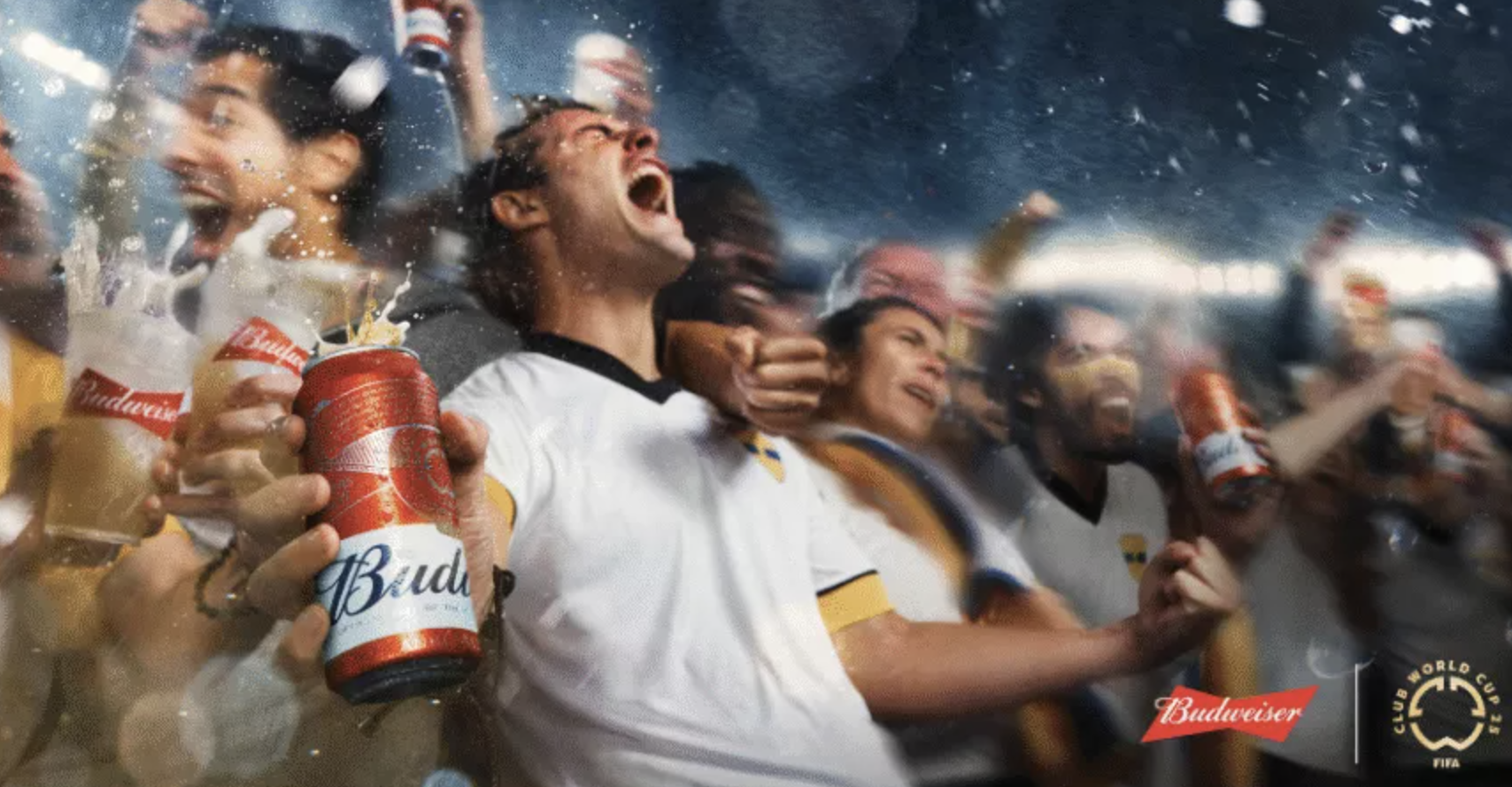
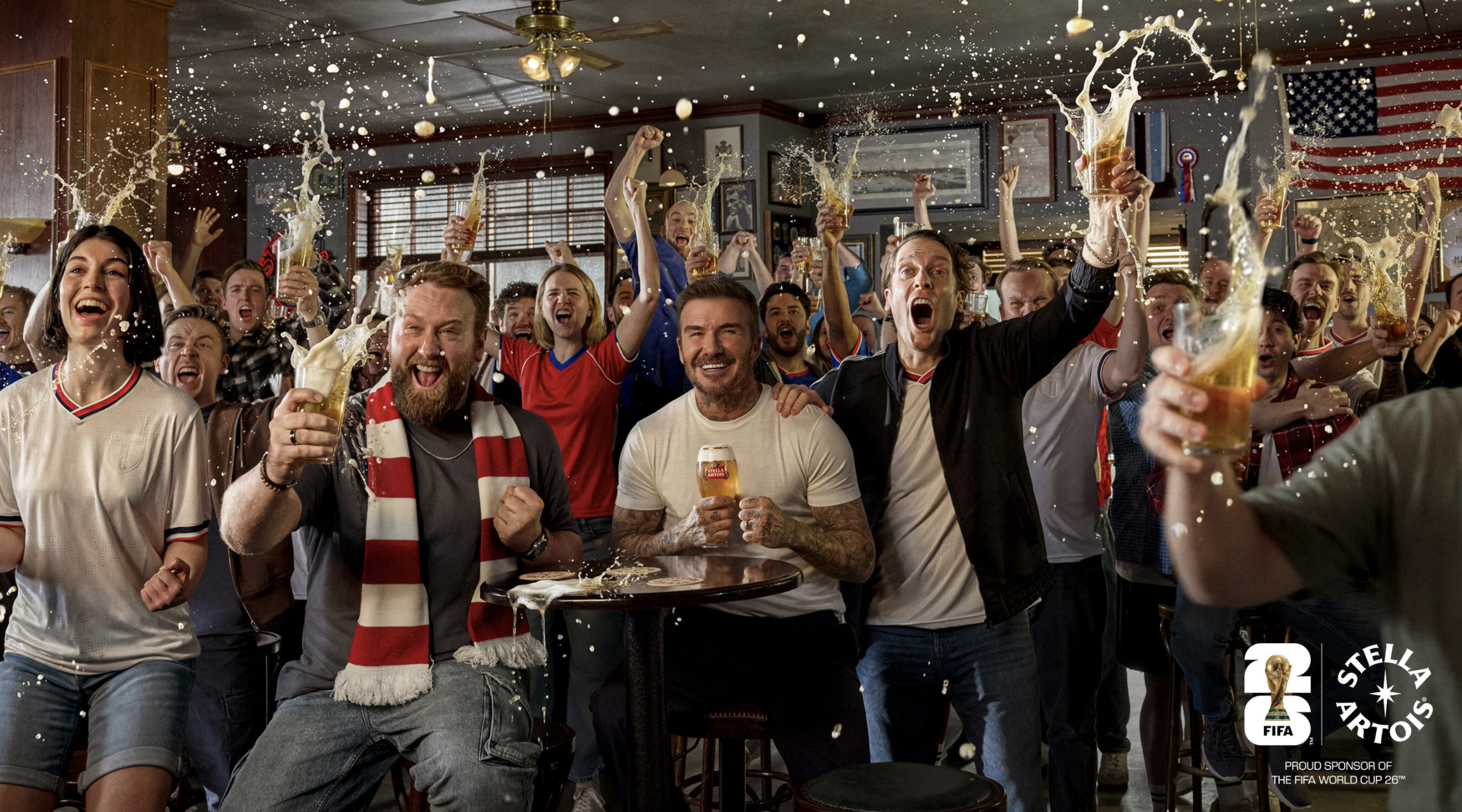
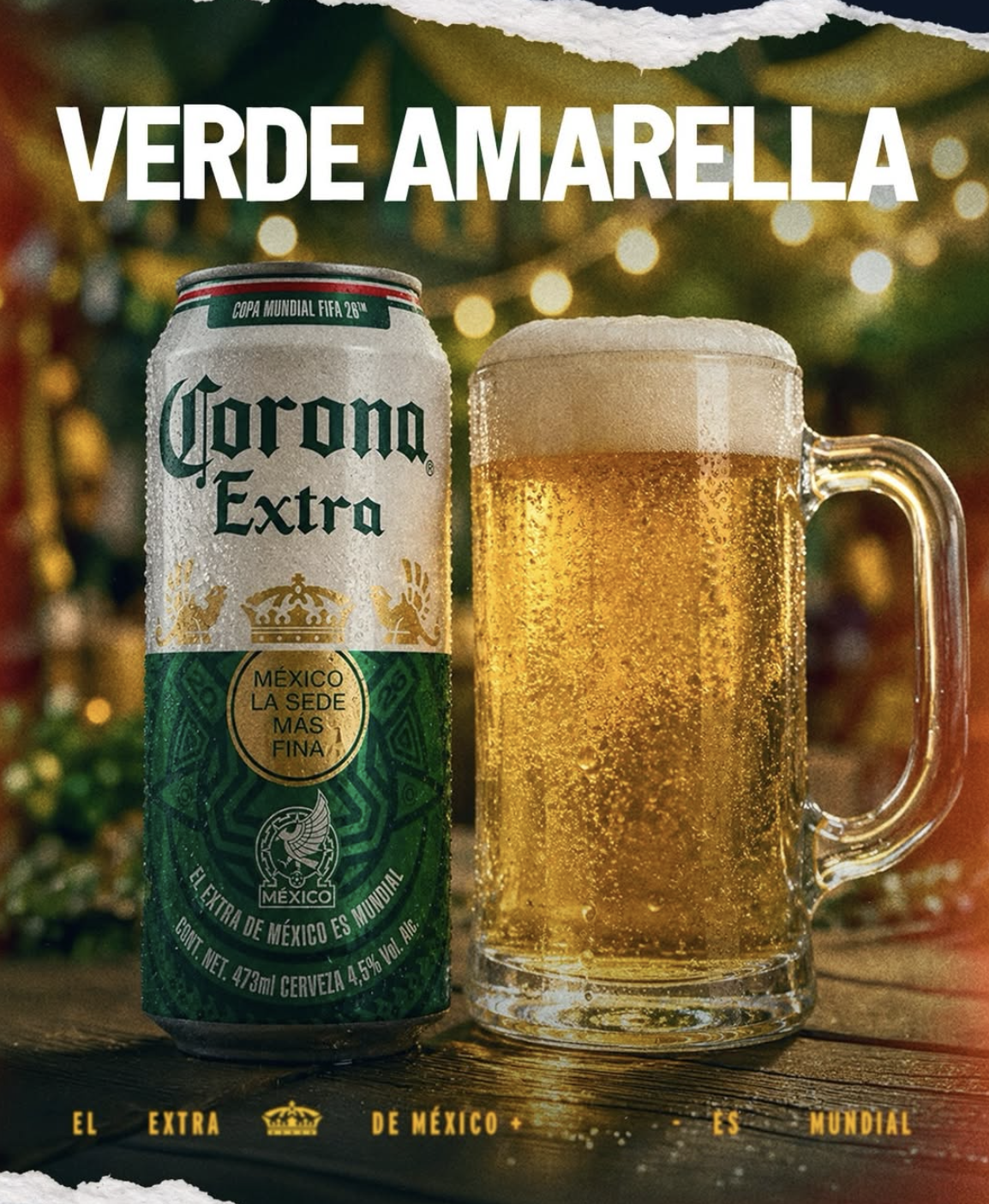
Budweiser, Stella Artois & Corona (Anheuser-Busch InBev): For the first time in history, AB InBev deployed a market-specific triple strategy. Budweiser (the tournament's official beer) is running a massive global campaign built around "celebrating winners" and digital contests for digital drops and merchandise. In the US and Canada, however, they focused on local communities. Corona dominated the Mexican market and digital platforms through music festivals linked to match viewings. Conversely, Stella Artois communicates premium lifestyle content on social networks (mainly Instagram and Pinterest), focusing on "gourmet watch parties" and targeting viewers who prefer to skip traditional pub-style cheering.
Budweiser
Targets the pure energy of fandom and the celebration of victory.
 Stella Artois
Brought a premium tone, presenting football as an elegant social event for evenings with friends.
 Corona
The key player this year, however, is Corona, which is fully capitalizing on the fact that the tournament is being played in Mexico. Its campaign celebrates Mexican culture & spirit—betting on vibrant colors, beach vibes, authentic music, and the lime-in-the-bottle-neck ritual, which resonates beautifully with the global desire for summer exoticism.
 Coca-Cola
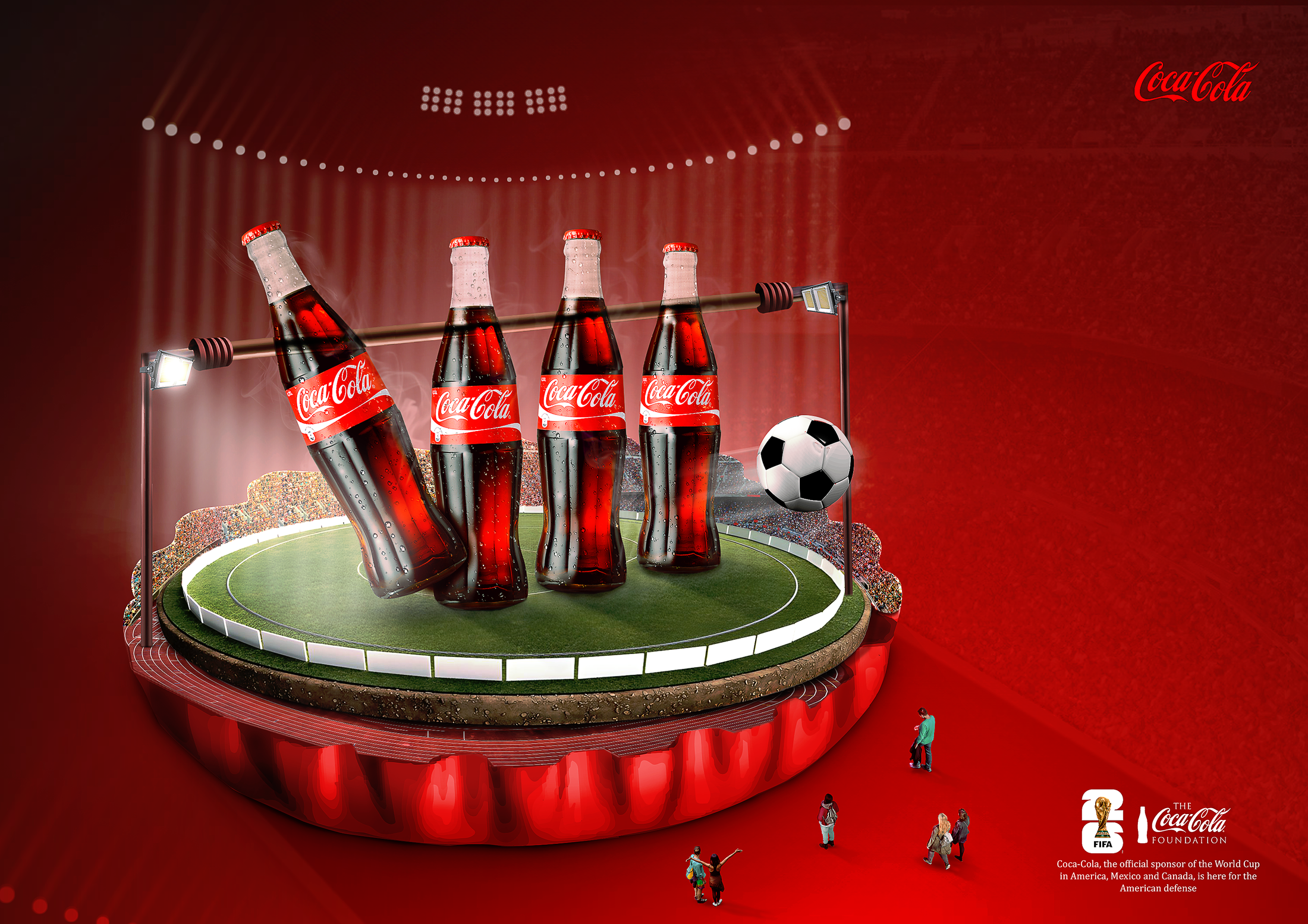
This year, the brand completely abandoned traditional TV formats and bet on "The Stadium in Your Pocket." Coca-Cola launched augmented reality (AR) filters on TikTok and Instagram that turn any table into a mini football pitch. The key element is the celebration of diversity: connecting fans from different corners of the world through split-screen duets on TikTok.
 Unilever
Their personal care brands (Dove, Rexona/Sure, Axe) are running the "Breaking a Sweat" campaign. On social media, they don't showcase flawless football stars, but rather the real-time emotions of fans, sweat, anxiety, and heart-stopping moments during penalty shootouts. Rexona brilliantly utilizes creators on TikTok to analyze the "stress moments" of the matches.
@rexona.mx En los momentos de más tensión, donde la pasión sube al máximo Rexona nunca, nunca, nunca te abandona. Rexona Patrocinador Oficial de la Copa Mundial de la FIFA 2026™️ #desodorante ♬ sonido original - Rexona México
Unofficial Brands: Masters of Real-Time Marketing and Local Context
Don't have a budget like Coca-Cola? Great! That means you don't have to stick to stiff corporate boundaries and can be far bolder, funnier, and more human. Unofficial brands (Non-FIFA sponsors) are showing how first-class real-time marketing is done using creative allegories and attention hacking.
LEGO
LEGO's approach is pure genius. Instead of buying expensive rights, they simply take what they do best: bricks and humor.
@lego Mbappé, Messi, Ronaldo ve Vini Jr. Muhteşem tek bir kupa. FIFA World Cup 2026™'ya hazır mısın?
♬ original sound - LEGO
Tim Hortons
The Canadian coffee shop chain faces a challenge: Canada loves hockey, but now they are hosting the world's biggest football celebration. Their campaign is built on Canadian hospitality and genuine humor.
@acouplebitess So Tim Hortons dropped new FIFA World Cup themed Timbit flavours for different iconic soccer or football countries so I tried them all with my puppy 🌎 #timhortons #torontofood #worldcup #torontoeats #toronto ♬ Waka Waka (This Time for Africa) [The Official 2010 FIFA World Cup (TM) Song] (feat. Freshlyground) (Single) - Shakira
Ferrero (Nutella)
Since the tournament is played in the Americas, matches are often broadcast in Europe at unconventional times: either late at night or early in the morning. Nutella turned this into its biggest advantage. Among other things, they showcase how to snack while watching the games.
What Has Changed on the Platforms Themselves
Social media networks have prepared for 2026 with the most advanced technology in history. The goal is to keep the viewer engaged on the "second screen" (in their hand) while watching the match on TV.
TikTok: Bet on Creator-Led Storytelling and the GamePlan Hub
TikTok signed a deal with FIFA as a Preferred Platform, introducing a completely unique program focused on authenticity.
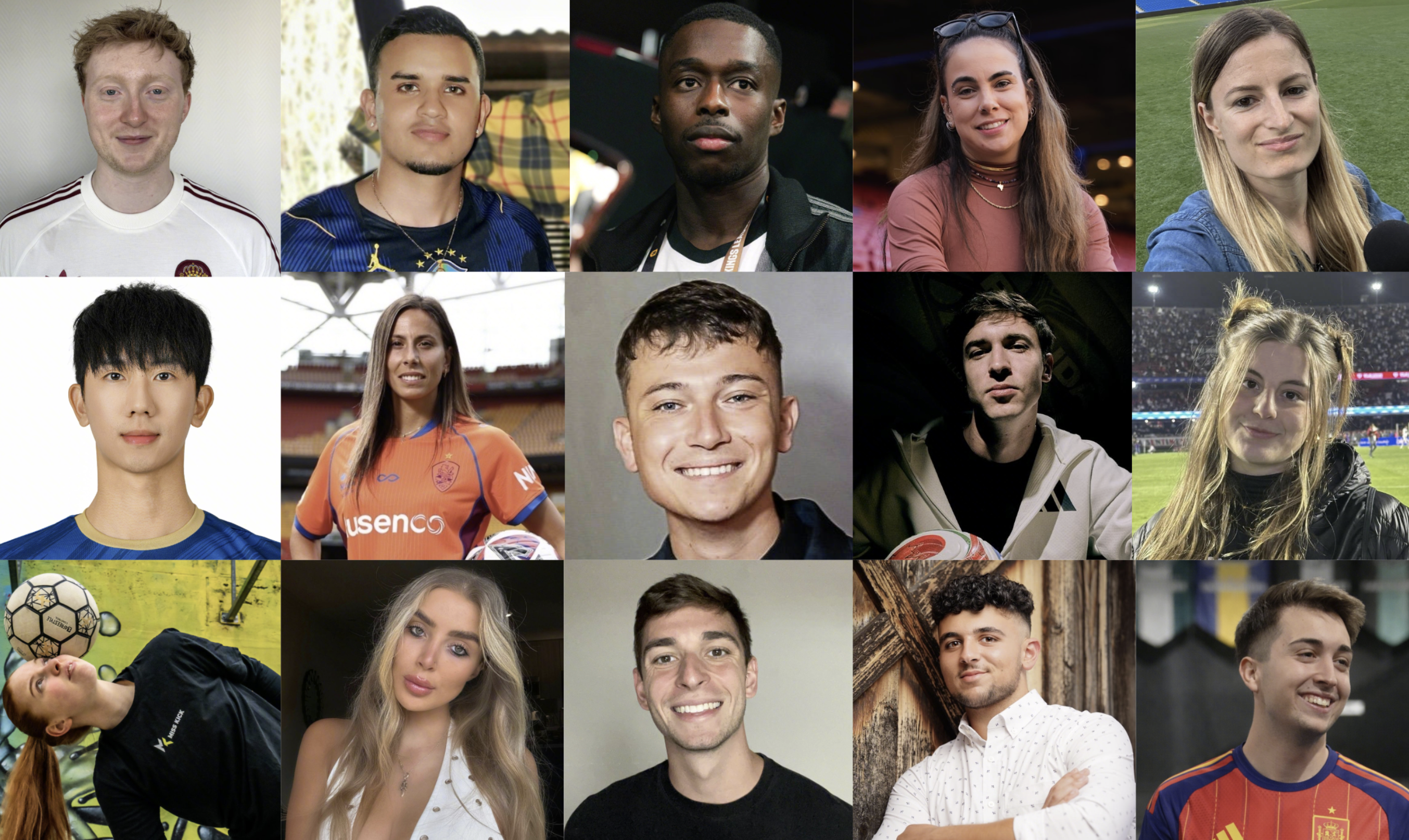
- What’s new: The platform launched the FIFA World Cup 2026 Creator Correspondents program. It selected 30 top global creators from 11 countries who get exclusive behind-the-scenes access: filming bus arrivals, warm-ups, press conferences, and raw emotions right from the pitch. All this content is integrated into dedicated FIFA World Cup 2026 Hubs running on the new TikTok GamePlan product suite. This tool allows media outlets and brands to instantly connect match action with creators.
 YouTube: Shorts with Licensed Footage and Free 10-Minute Streams
YouTube decided to maximally support the creator ecosystem and ensure that copyrights act as an opportunity rather than an obstacle.
- What’s new: Thanks to a new partnership with FIFA, approved creators and media partners have access to official match footage. They can legally create Shorts, extended highlights, and instant reactions using FIFA's official digital archive (including iconic historical moments). The biggest bombshell is that media partners can live-stream the first 10 minutes of every match on YouTube, serving as a massive hook for live discussions.
 Snapchat: Bitmoji Jerseys and Celebrities on the Ground
Snapchat is betting on its strongest weapons: augmented reality (AR) and personalized avatars. Furthermore, Snap’s research shows that 62% of football fans plan to watch content directly from players and creators within the app during the tournament.
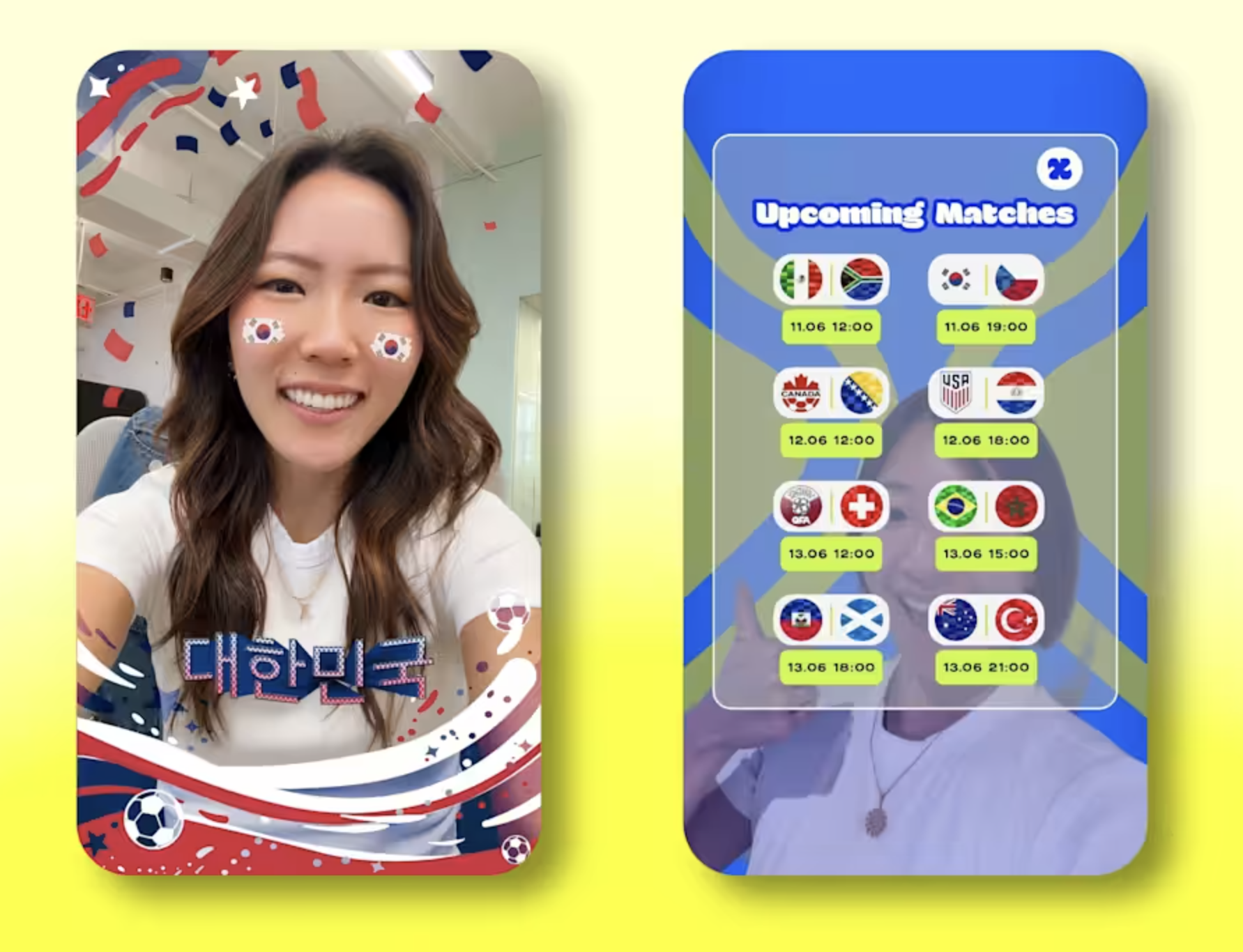
- What’s new: Snap added official World Cup fan gear to the Bitmoji store (in collaboration with US Soccer, Adidas, and Nike), allowing users to dress their digital selves in national colors. It also deployed official AR Lenses for over 20 national teams and launched a dedicated World Cup Topic Chat. For exclusive content from the ground, they also recruited megastars like influencer Alix Earle and football player João Félix.
 WhatsApp: Official Jersey for the Football Emoji and a Dedicated Directory
WhatsApp experiences brutal overload in countries where football is a way of life. That is why for 2026, it is introducing features that simplify message consumption.
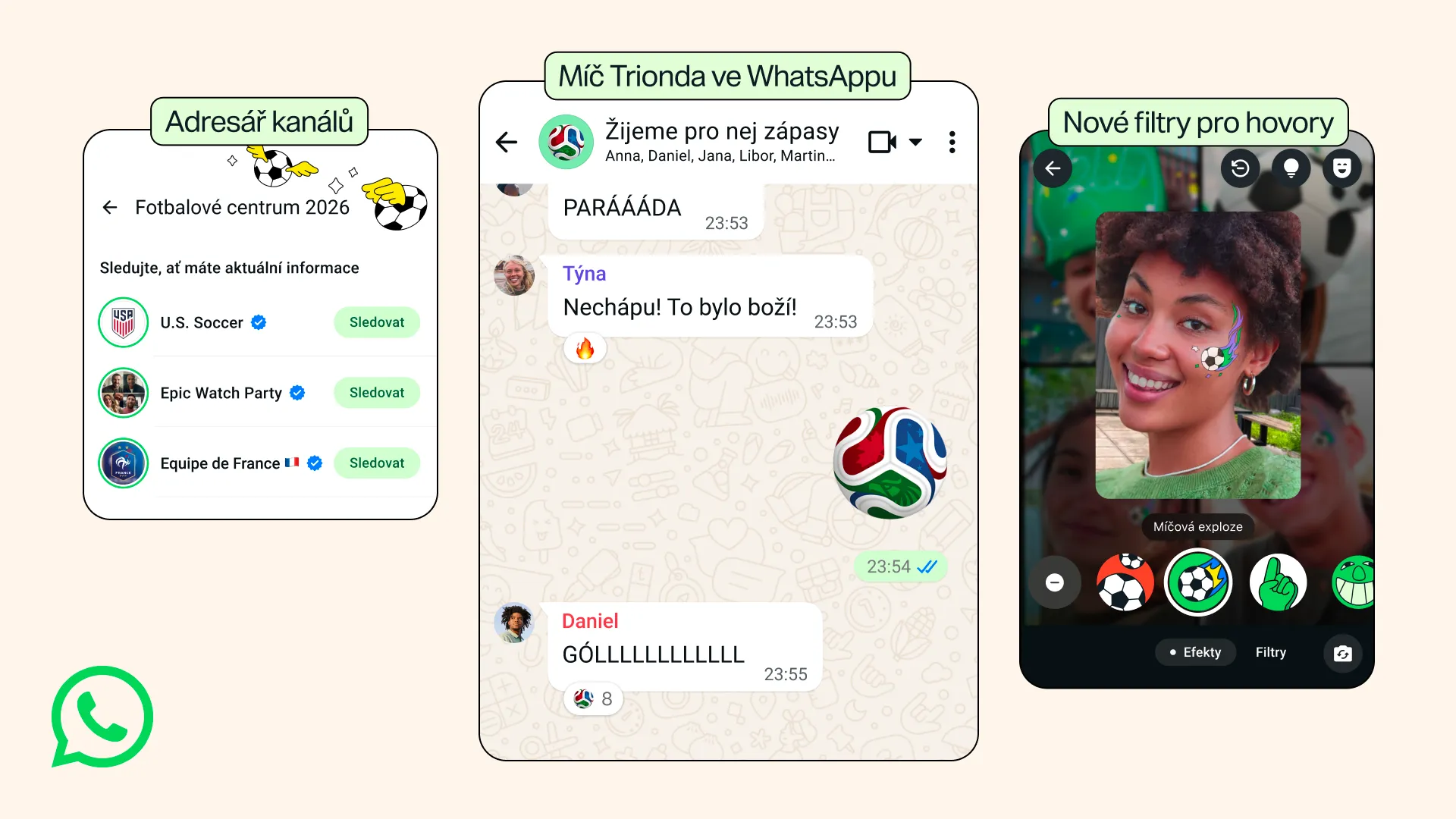
- What’s new: The platform added football effects for video calls, themed stickers, and executed a brilliant detail—upgrading the classic football emoji ⚽ to look like the official 2026 World Cup match ball. The key business feature is the Custom Channel Directory, where users can find real-time scores, countdowns, and behind-the-scenes updates from teams all in one place, with the option to share these updates directly to their Status (Story). On top of that, Meta AI is integrated into the mix, answering fans' questions about current standings or advising them on where to find the nearest good watch party.
 Meta (Facebook & Instagram): Legal and Anti-Fraud Shield
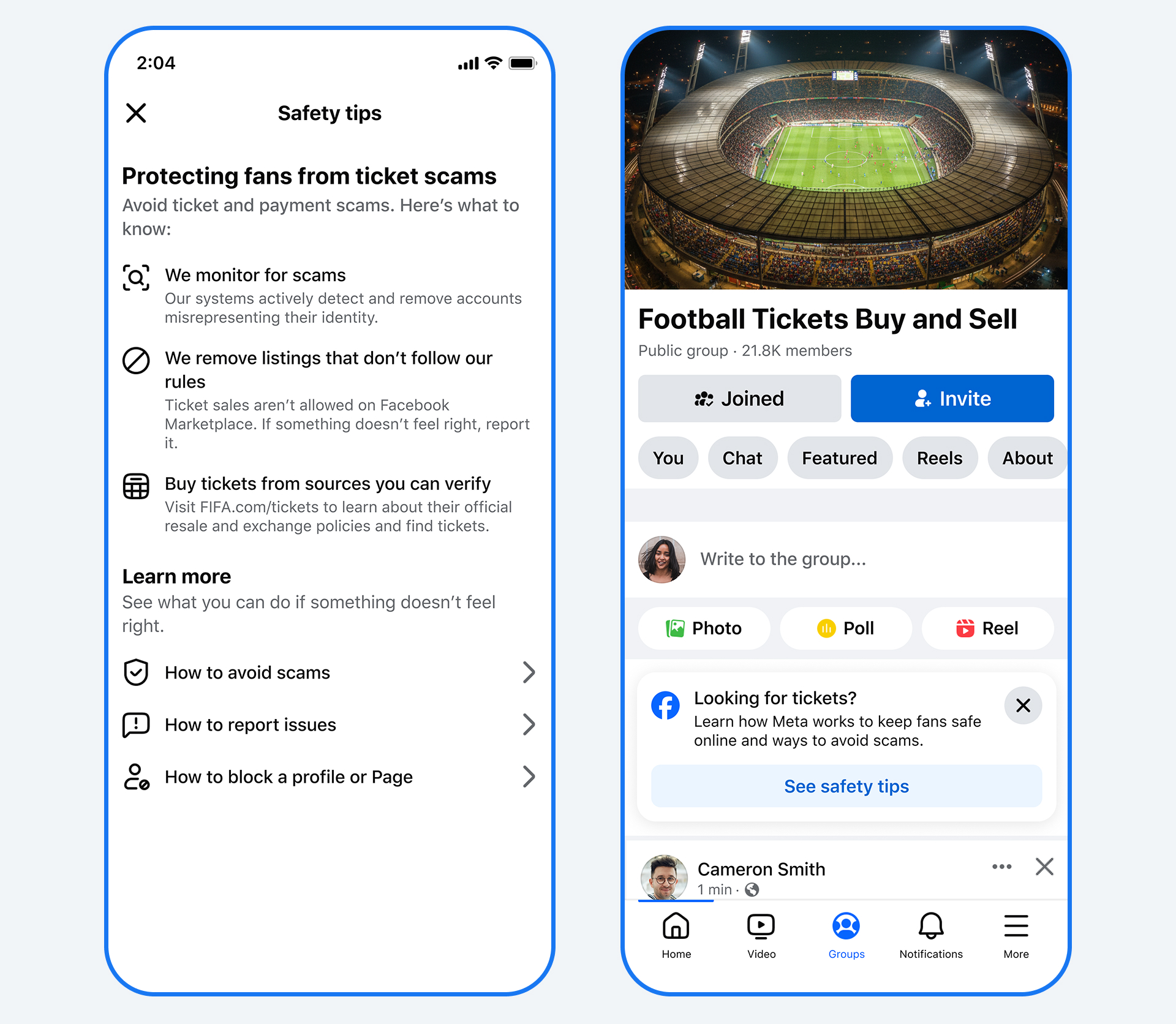
Learning from past tournaments where player abuse and ticket scams proliferated on Instagram, Meta has deployed extremely strict security measures for 2026.
- What’s new: In collaboration with Visa (via the Global Signal Exchange), Meta launched proactive takedowns of fraudulent networks on Facebook and Instagram that exploit official FIFA branding to lure people into fake tickets or illegal gambling. Instagram has also radically boosted its AI filters in DMs (Direct Messages) to proactively detect hate speech and harassment aimed at players and fans (Meta claims it deletes over 74% of violating content before anyone even reports it).
 Final Checklist for Brands and Creators: How to Get Inspired and What to Watch Out For
The championship lasts for a month. If you want your social media communication to score and avoid getting a red card, follow this playbook by Carl for Social:
What to watch out for the most?
-
Never exploit the official name: Forget about hashtags like #WorldCup2026 or #FIFA2026. Instead, create your own creative community hashtags (e.g., #OfficeCheering, #SummerFootball, #SecondScreen).
-
Contests with caution: If you run a consumer contest, the grand prize cannot be "Tickets to the match in New York" or the official licensed match ball. Instead, give away a "Generic survival kit for a football summer in the office."
-
Watch the jerseys: If you are shooting or filming your own content, your actors/models should not wear official national team jerseys featuring tournament logos. Opt for generic, solid-color t-shirts in the national colors.
How to get inspired by major brands?
-
Be reactive like LEGO: Watch the matches. The greatest marketing treasure is not born in content plans scheduled three months in advance, but in real-time reactions to moments the entire internet is talking about that very second (a funny player fall, a manager's emotion, an unexpected twist).
-
Leverage micro-creators for "Watch Parties": People no longer trust stiff TV studios. They want authenticity. Partner with local creators, send them your products, and let them create an informal stream or Reels format titled "My honest reaction to today's match."
-
Optimize for silent mode: Don't forget that half of your audience is sitting at work. Your TikTok videos and Instagram Reels MUST feature prominent subtitles, a clear visual narrative, and a punchline that the viewer can understand even with the sound turned off.
Carl for Social
Don't miss what's coming next.
Stay on top of social media trends and tips that help you grow your content on Instagram, TikTok, Facebook, and YouTube. Download Carl for Social — it's free.
Download app