Patreon is changing, platforms are finding new ways to reach users, and Meta is introducing limits for teens in the US
Digital platforms continue to search for the right balance between safer use, more meaningful content, and new ways to reach users and creators. Meta is introducing stricter limits for teenagers, Pinterest is benefiting from the return to hobbies, Patreon is reshaping recommendations to favor quality posts, and Spotify is adding a new layer of commentary to playlists.
Meta agrees to stricter limits for teens on Facebook and Instagram
Meta has announced an agreement with a bipartisan group of 52 US attorneys general. If approved by the court, it will automatically apply to Facebook and Instagram users under the age of 18 in participating states and territories. The agreement includes payments totaling approximately $18 billion over ten years, with part of the amount conditional on TikTok and YouTube adopting similar measures.
The most visible change will be a combined daily limit of two hours across Facebook and Instagram, which minors will only be able to disable with parental consent. From midnight to 6 a.m., the main content sections of the apps will be blocked by default, while most notifications will be muted between 8 a.m. and 3 p.m. The agreement also adds regular reminders about time spent in the apps, the option of a non-personalized feed by default, autoplay controls, hidden like counts, and stronger parental supervision. Direct messages will remain exempt from the time restrictions.
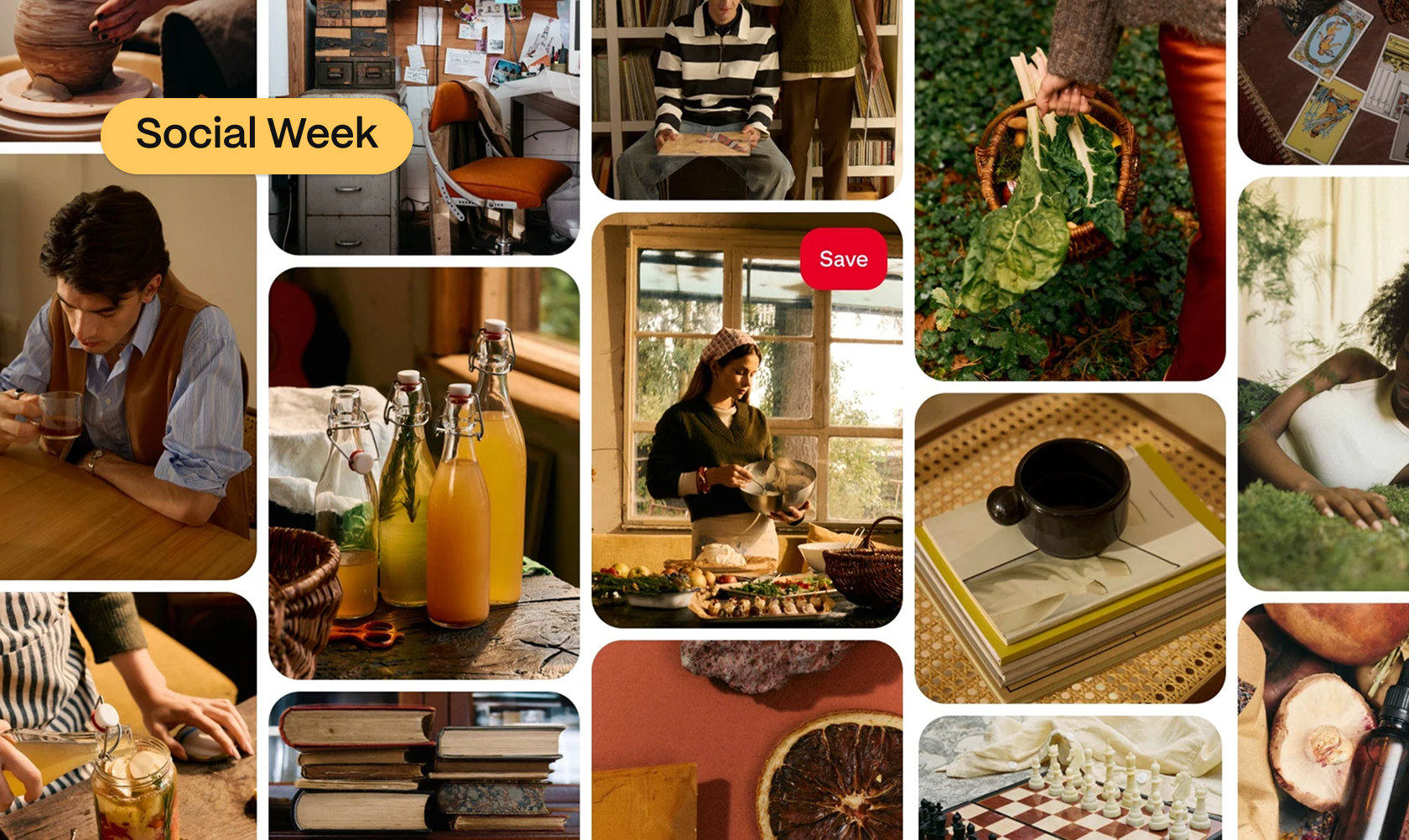
Pinterest surpasses 640 million users and bets on hobbies that take people away from screens
Pinterest reached a record 640 million monthly active users in the second quarter of 2026, up 11 percent year on year. Revenue grew by 18 percent to $1.18 billion, while adjusted EBITDA reached $311 million. At the same time, the company reported a net loss of $47 million. Pinterest can therefore no longer be viewed as a niche inspiration network, but as a global platform with considerable reach and a growing advertising business.

Its new official Hobbies Trend Report shows how Pinterest is trying to distinguish itself from endless entertainment feeds. According to the platform’s research, 51 percent of Gen Z say that hobbies bring them joy, while eight in ten monthly Pinterest users say the platform inspires them to try new things. Practical and often screen-free interests are growing particularly quickly: searches for pressed-flower ideas rose by 457 percent, embroidery at home by 1,351 percent, the sashiko technique by 1,509 percent, and banana syrup recipes for coffee by 916 percent.
The report identifies trends including at-home cafés, garden botany, clothing upcycling, handicrafts, and building personal collections. This gives brands something more valuable than reach alone: an early signal of emerging interest that can be turned into a product, content, or partnership. One example is Pinterest’s collaboration with Warner Bros. around the film Practical Magic 2 and the “Kitchen Witch” trend. The business outlook is more cautious, however. Pinterest expects revenue growth to slow to between 13 and 15 percent in the third quarter, making its ability to convert rising user interest into advertising revenue the key question.
Patreon changes recommendations to help smaller creators based on post quality rather than audience size
Patreon has opened its content discovery network to most creators producing all-ages content. The feed now includes public posts and the shorter Quips format, while users can retain a separate membership-only tab that removes recommended content. Patreon is moving beyond its role as a simple payment infrastructure provider and building its own distribution layer.
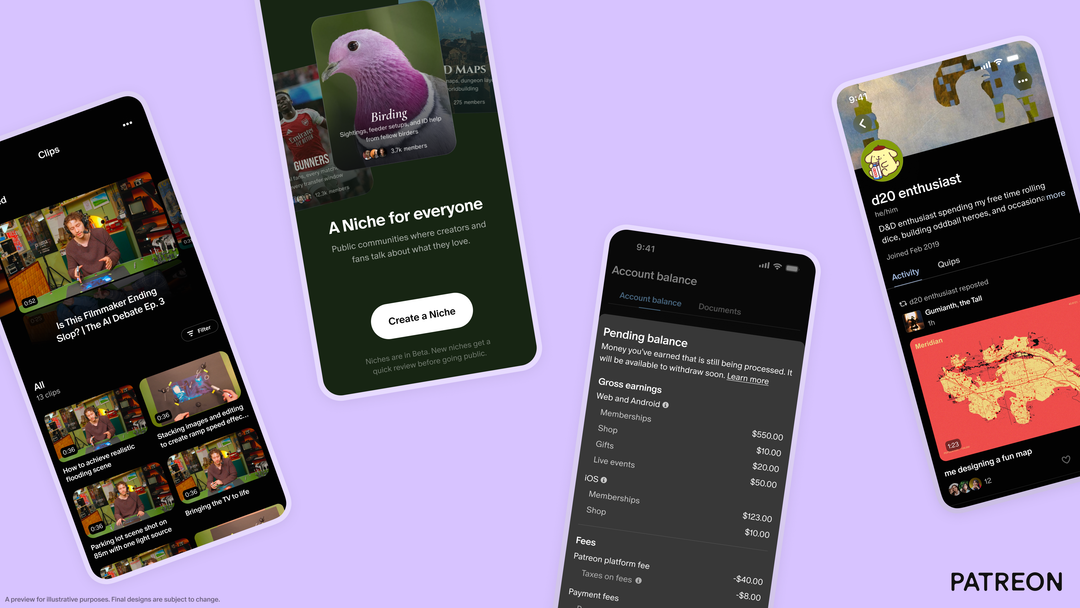
The most important planned change is an overhaul of the recommendation system. Instead of comparing creators based on overlap between their audiences, Patreon wants to compare individual posts more closely by topic, style, execution, and other content characteristics. The company says its network brings creators 1.5 million new free and paying members every month, and that creators who publish public posts grow their paid memberships 25 to 30 percent faster than comparable creators who do not. These figures were published by Patreon itself.

The roadmap also includes Clips for selecting short moments from longer videos, recommended previews, new creator profiles, and topic-based Niches communities. Some of these features are still in beta or at an early testing stage, however, and Patreon explicitly notes that not all of them may eventually be released. The strategic direction is nevertheless clear: free content is intended to serve as an acquisition layer that gradually converts fans into paying members.
Spotify adds Playlist Notes, giving playlists their own commentary layer
Spotify has launched Playlist Notes, a feature that allows users to add their own notes to items in a playlist. On mobile devices, this written context can be attached not only to songs, but also to podcast episodes and audiobooks. Notes can explain why an item was included, add a recommendation, or capture a personal memory. They will be visible to anyone with access to the playlist.
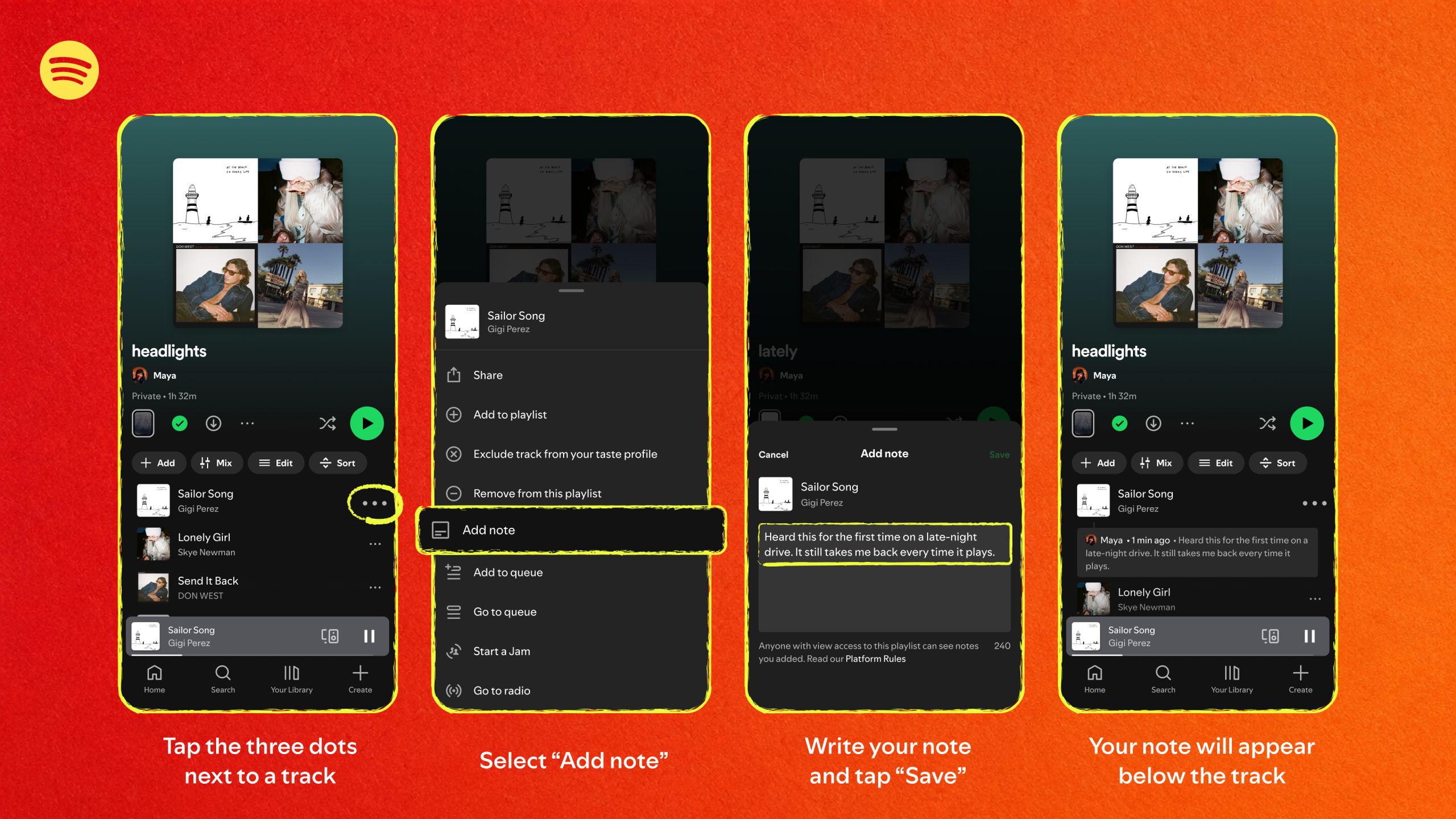
User-created Playlist Notes are being rolled out gradually on iOS and Android in more than 100 markets. A separate layer featuring notes from music editors and their Editor Profiles is currently intended for users aged 16 and over in the US, Canada, the UK, Ireland, Australia, and New Zealand. Spotify is initially deploying these features on major playlists such as Today’s Top Hits and RapCaviar.
The feature is small but strategically interesting: Spotify is adding social and curatorial context without having to build a conventional public feed.
Carl for Social
Don't miss what's coming next.
Stay on top of social media trends and tips that help you grow your content on Instagram, TikTok, Facebook, and YouTube. Download Carl for Social — it's free.
Download app