TikTok Adds Voice Comments, YouTube Tightens Branded Content Rules, and LinkedIn Reveals a Gap Between Brands and Gen Z
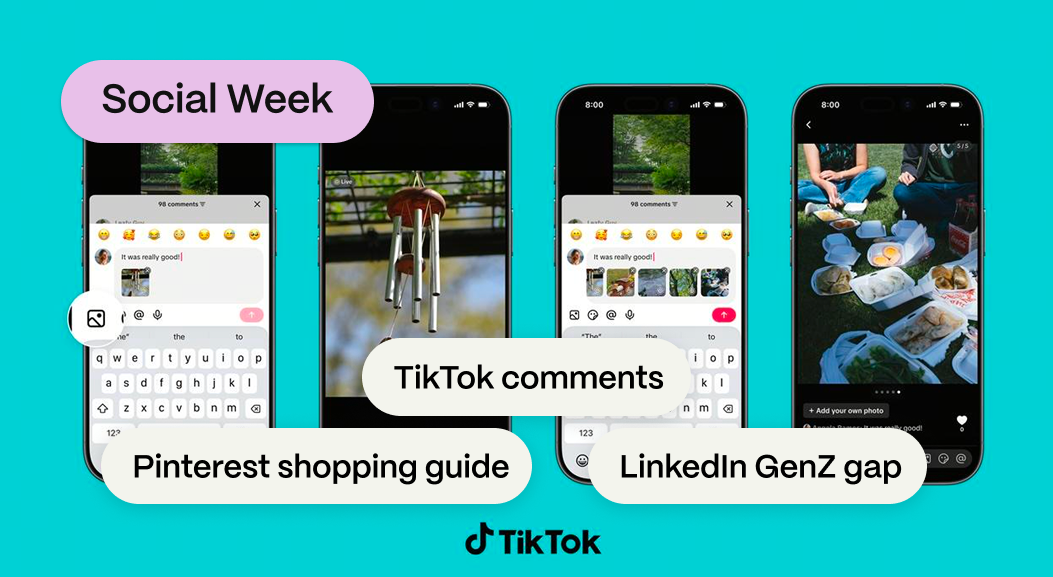
TikTok opens up comments to voice notes and polls, YouTube tightens its rules on paid content, LinkedIn finds out why young professionals aren't networking, and Pinterest lays out how to build shopping campaigns ahead of the holidays. Here's your roundup of this week's social media news.
This week came down to one question: how do you turn the attention people give social platforms into something measurable, a conversation under a video, a transparent brand partnership, or a sale through a Pin. TikTok is giving viewers more ways to react, YouTube is pushing creators toward clearer labeling of paid content, LinkedIn published data on why young professionals miss out on networking opportunities, and Pinterest put together a guide on launching shopping campaigns the right way. None of these updates will transform your strategy overnight, but each one is worth a few minutes of your attention.
TikTok opens up comments to voice messages, polls, and carousels
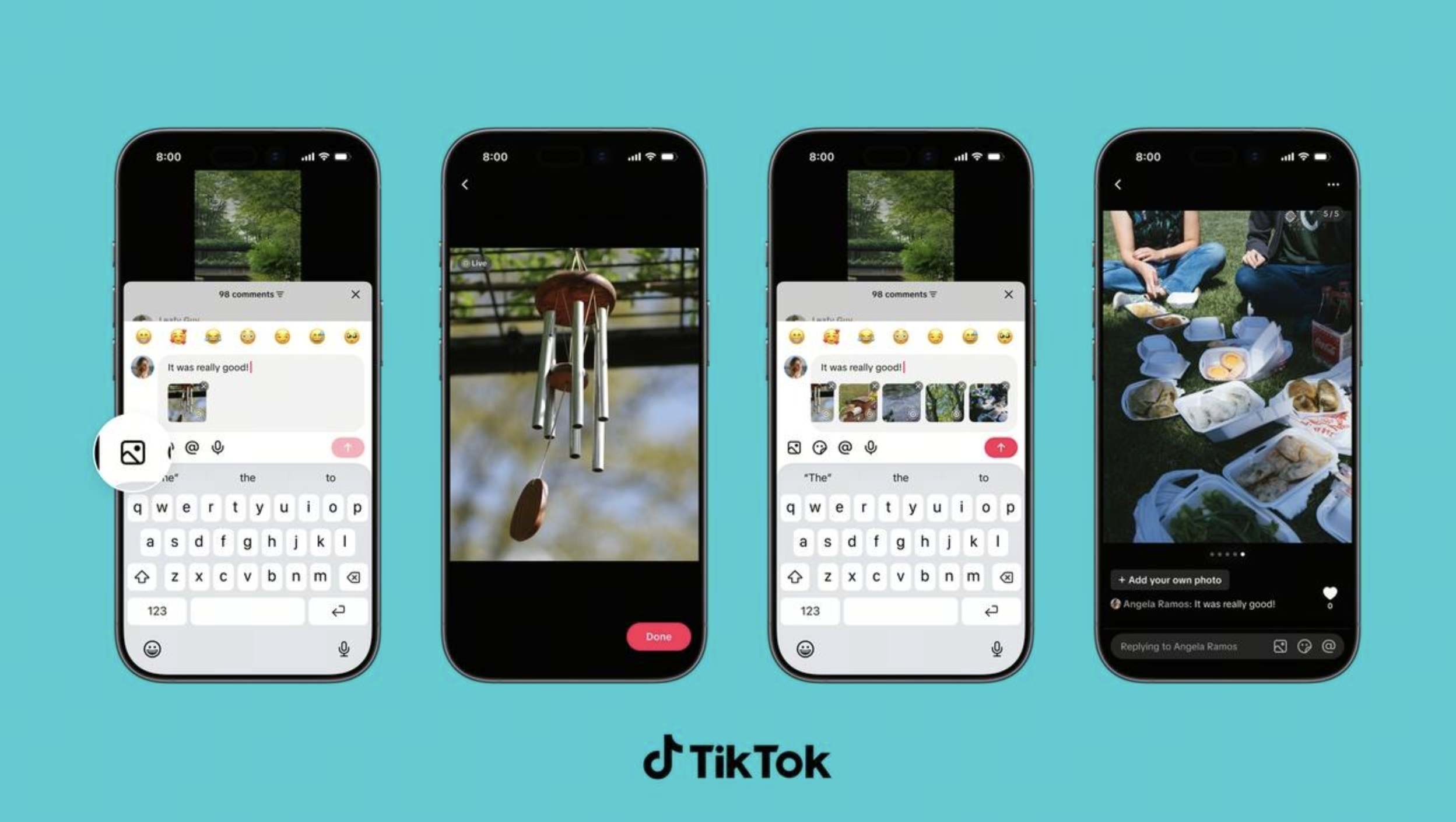
TikTok is rolling out three new ways to react to videos. Viewers can now record a voice reply of up to 60 seconds, creators can add a poll with up to five options under their clips, and comments now support photo galleries of up to nine images that expand into a scrollable carousel when tapped.
Polls are available to all creators right away, while voice and photo comments are rolling out globally over the coming month. For brands, it's another way to turn the comment section into an actual space for conversation with their audience, rather than just a line of text under a video.
 YouTube tightens the rules around labeling brand partnerships
YouTube is updating how it labels paid content, giving viewers clearer context on what a sponsorship disclosure actually means. Creators are also getting the option to set age and regional restrictions on branded content, making it easier to comply with local advertising regulations.
At the same time, the platform is rolling out automatic detection, if the system spots an undisclosed brand partnership, it will apply the label itself. YouTube is also testing localized versions of affiliate products for creators in its Shopping Affiliate program. For brands and agencies working with influencers, this is a clear signal: transparency around paid content keeps getting stricter, and it's worth making sure your partnership approval and disclosure process is in order.
LinkedIn: brands don't know how to reach Gen Z, and young professionals are afraid to network
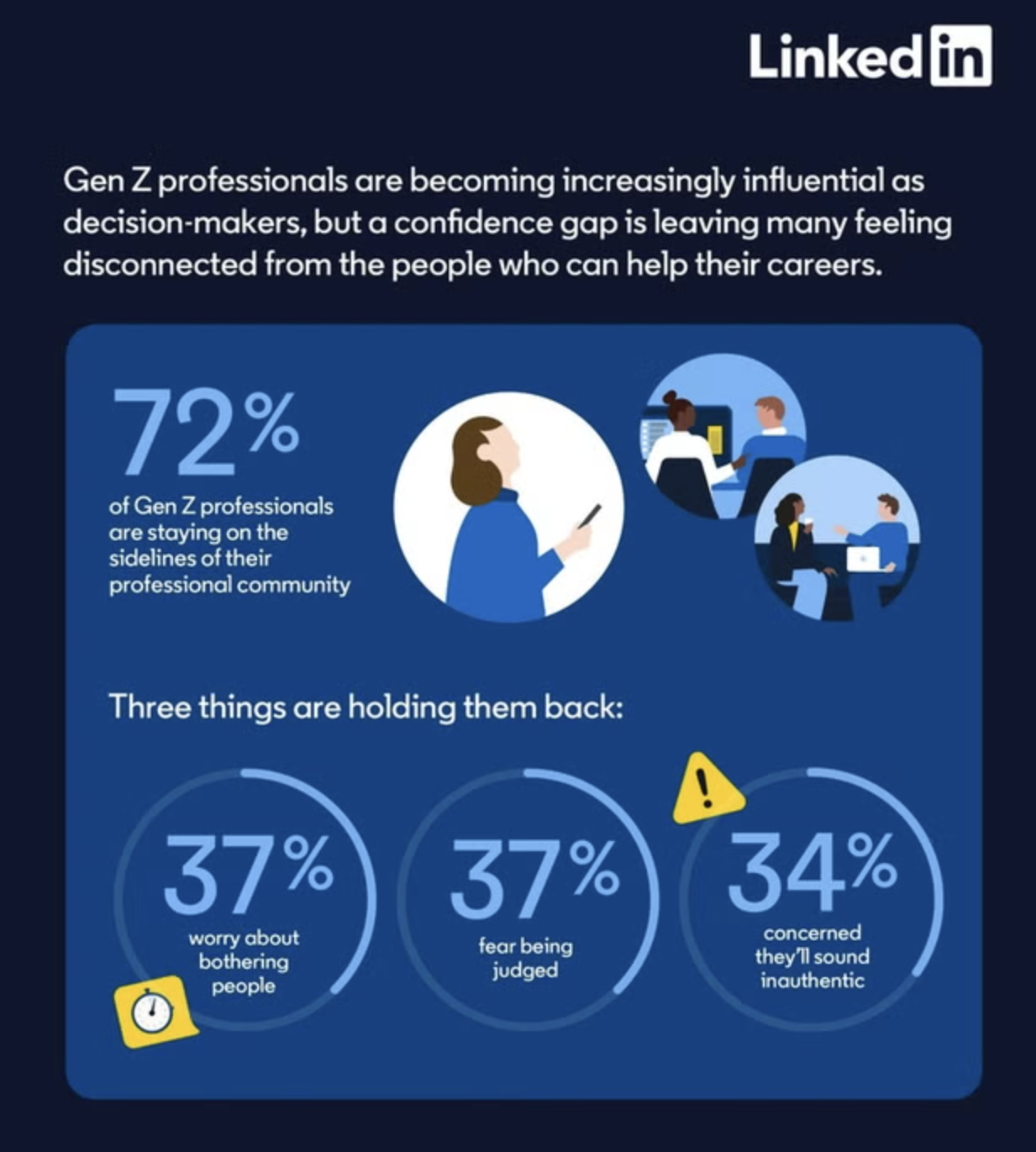
LinkedIn published research based on more than 18,000 professionals that points to an interesting mismatch. On the user side, 72% of Gen Z professionals admit they miss out on opportunities because they're afraid of bothering people, being judged, or sounding inauthentic. More than half say they don't even know how to start networking.
On the marketing side, things are just as uncertain. Nine in ten marketers agree that future growth depends on reaching younger decision-makers, yet 86% of U.S. marketers admit that Gen Z and millennial buyers trust peer recommendations and expert voices more than branded messaging. Short-form videos featuring real expertise perform best, 49% of Gen Z audiences prefer this format. For brands running influencer marketing, this is exactly the kind of data that confirms why a trusted creator voice often outperforms traditional advertising.
 Pinterest puts together a guide for building shopping campaigns ahead of the season
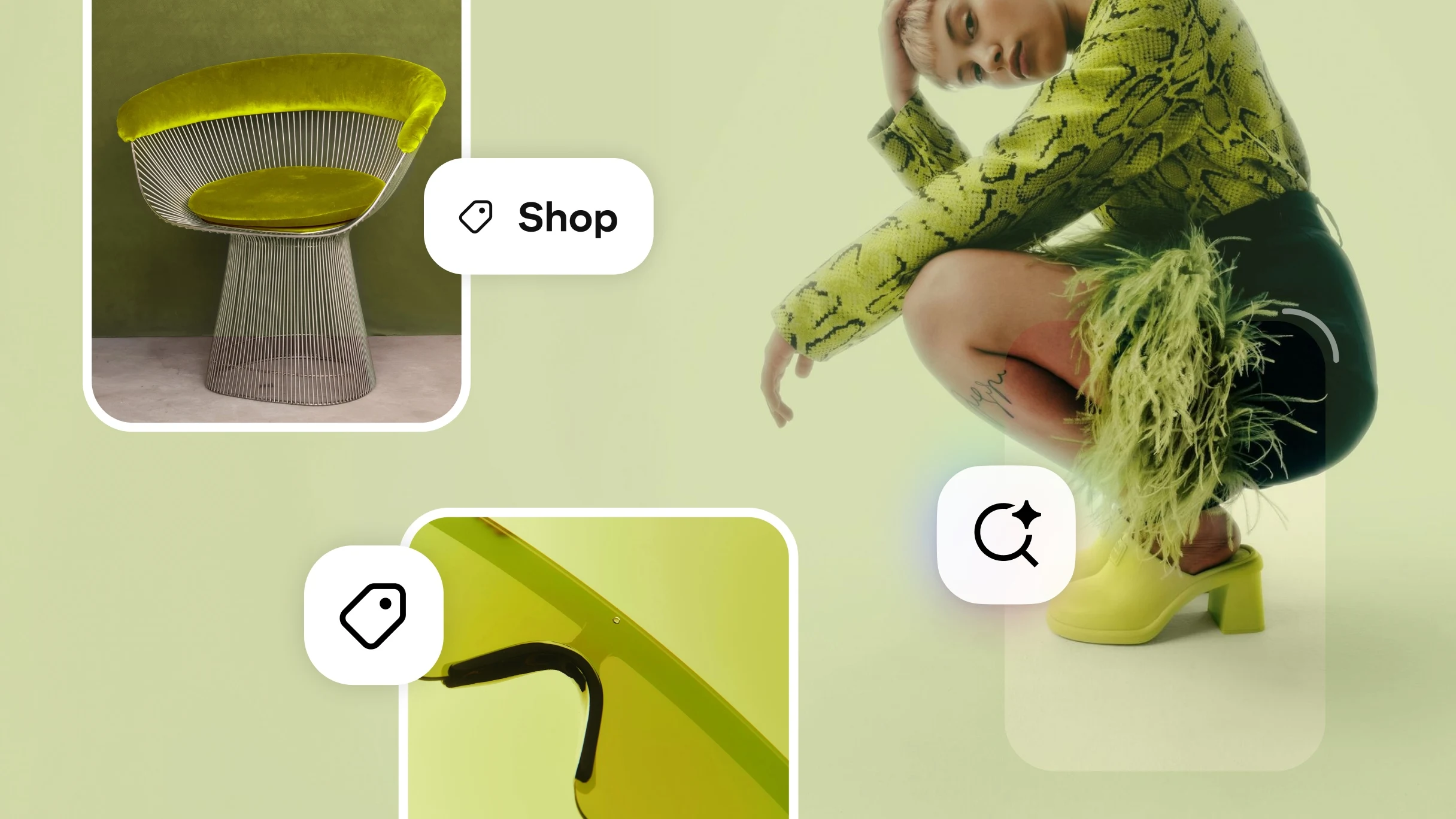
Pinterest published a four-step overview on how to run effective shopping promotions on the platform. It recommends building the foundations first, connecting your product catalog, setting up Pinterest tags, and creating a shopfront, before launching paid campaigns with the help of the Pinterest Trends tool and its AI-powered Performance+ campaigns.
With 640 million monthly active users, most of whom come to the platform primarily to shop and find inspiration, this is a practical playbook tailor-made for brands gearing up for the end-of-year shopping season.
 Across all four stories, the same pattern shows up: platforms are giving creators and brands sharper tools to turn audience attention into trust, and eventually into sales. Whether it's a voice reply under a video, a properly disclosed partnership, or a well-built shopping campaign, the foundation is the same, authenticity and transparency are being rewarded by platforms more than ever right now.
Carl for Social
Don't miss what's coming next.
Stay on top of social media trends and tips that help you grow your content on Instagram, TikTok, Facebook, and YouTube. Download Carl for Social — it's free.
Download app