TikTok opens a store, YouTube recommends products and Europe debates who gets to be on social media
TikTok is launching a standalone app built purely for shopping, YouTube is starting to recommend products for creators to promote, and Instagram is bringing its Edits editor to desktop. Meanwhile, Meta is using AI to identify teens worldwide, and Brussels is preparing common rules for children on social media. In the bonus section: the Advent calendar the whole internet laughed at, and a Ronaldo post that is rewriting the record books.
This week showed two sides of social media. On one side, platforms are turning into stores and work tools. TikTok is testing a standalone app built purely for shopping, YouTube is starting to suggest products creators can earn from, and Instagram is moving its Edits editor to desktop and adding AI-powered custom effects.
On the other side, protection for the youngest users is tightening. Meta is rolling out AI age estimation worldwide, and the European Union is working on common rules for the age at which children can join social media. And as the Skims story shows, the internet can make or break a product in a single weekend.
For creators, this means more tools and more ways to turn content into income. For brands, it is a clear signal that social platforms are increasingly where people shop, and also a space where the rules for reaching young audiences are changing fast.
Instagram Edits goes desktop and lets you build your own effects with AI
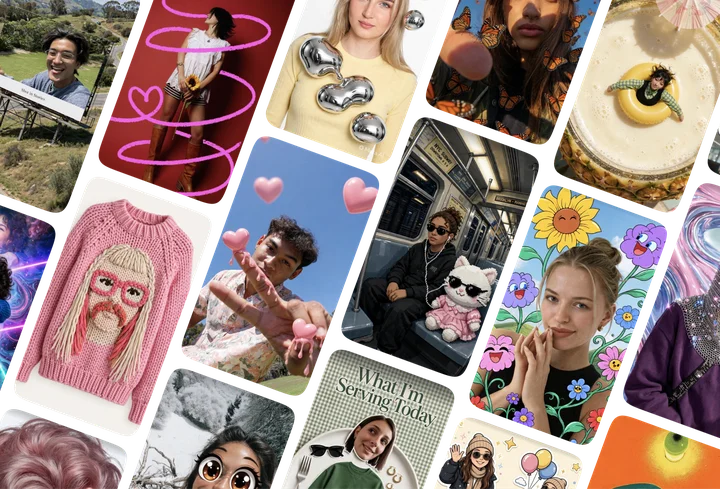
Last week, Instagram released Edits for macOS, and it has now added a web-based tool called Effect Builder. Anyone can create a custom Stories effect: just describe how it should look and AI builds it, no coding or design skills required. You can also upload a photo as a reference, and AI will pick up its colors, lighting and texture. Each finished effect goes through a Meta review, which usually takes less than 24 hours, and then becomes available to everyone in the Stories effects library, with a link back to the creator's profile. Why it matters: Edits is gradually evolving from a mobile app into a full-fledged editor you can also use at your desk. For creators, it opens a new path to visibility, since every use of a popular effect carries their name further. Brands can quickly and affordably create their own branded effect for a product or campaign, or hand the job to a creator who knows their audience best.
 TikTok Shop gets its own app
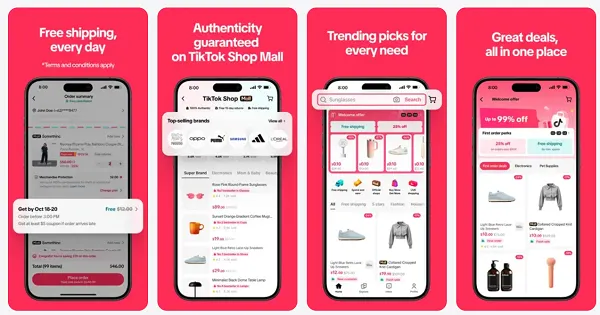
TikTok has launched a standalone TikTok Shop app built primarily around shopping. Instead of an endless video feed, it offers products tailored to each user's interests, complemented by livestreams and short videos that show the products in action. For now, it is only available in Singapore, Thailand, Malaysia and the Philippines. TikTok is responding to the fact that people outside China discover products in videos but often go elsewhere to buy, Amazon for example. For comparison, according to KrAsia, China's Douyin generated nearly $500 billion in gross merchandise volume last year, while TikTok Shop reached roughly $26 billion globally in the first half of 2025.
Why it matters: A standalone app shows that TikTok sees shopping as a second pillar of its business, not an add-on to entertainment. When, or whether, it will reach other markets is still unclear, but the direction is obvious. For brands, it is a signal that creator content is becoming ever more closely tied to purchases. Creators who can convincingly show a product in a video or livestream will become increasingly valuable to e-commerce.
 YouTube starts recommending products for creators to promote
YouTube is testing a new recommended products shelf right in the shopping section of YouTube Studio. Creators in the affiliate program will see products that fit their channel. YouTube picks them based on past content, audience engagement and what is currently trending in the niche, such as beauty, tech or home. For each product, creators also see an estimated commission, making it easier to judge which partnerships are worth pursuing. In addition, starting November 6, YouTube expanded Hype with Jewels to more countries, including Germany and Poland. Viewers can use virtual currency to help videos from creators with 500 to 500,000 subscribers reach more people.
Why it matters: YouTube is becoming a matchmaker between creators and brands. Smaller creators get an easier path to their first affiliate earnings, without having to find partners on their own. Brands selling through YouTube Shopping should expect the algorithm to play a growing role in deciding who sees their products in recommendations. Well-crafted product listings and an attractive commission can determine how many creators get on board.
Meta uses AI to find teens around the world
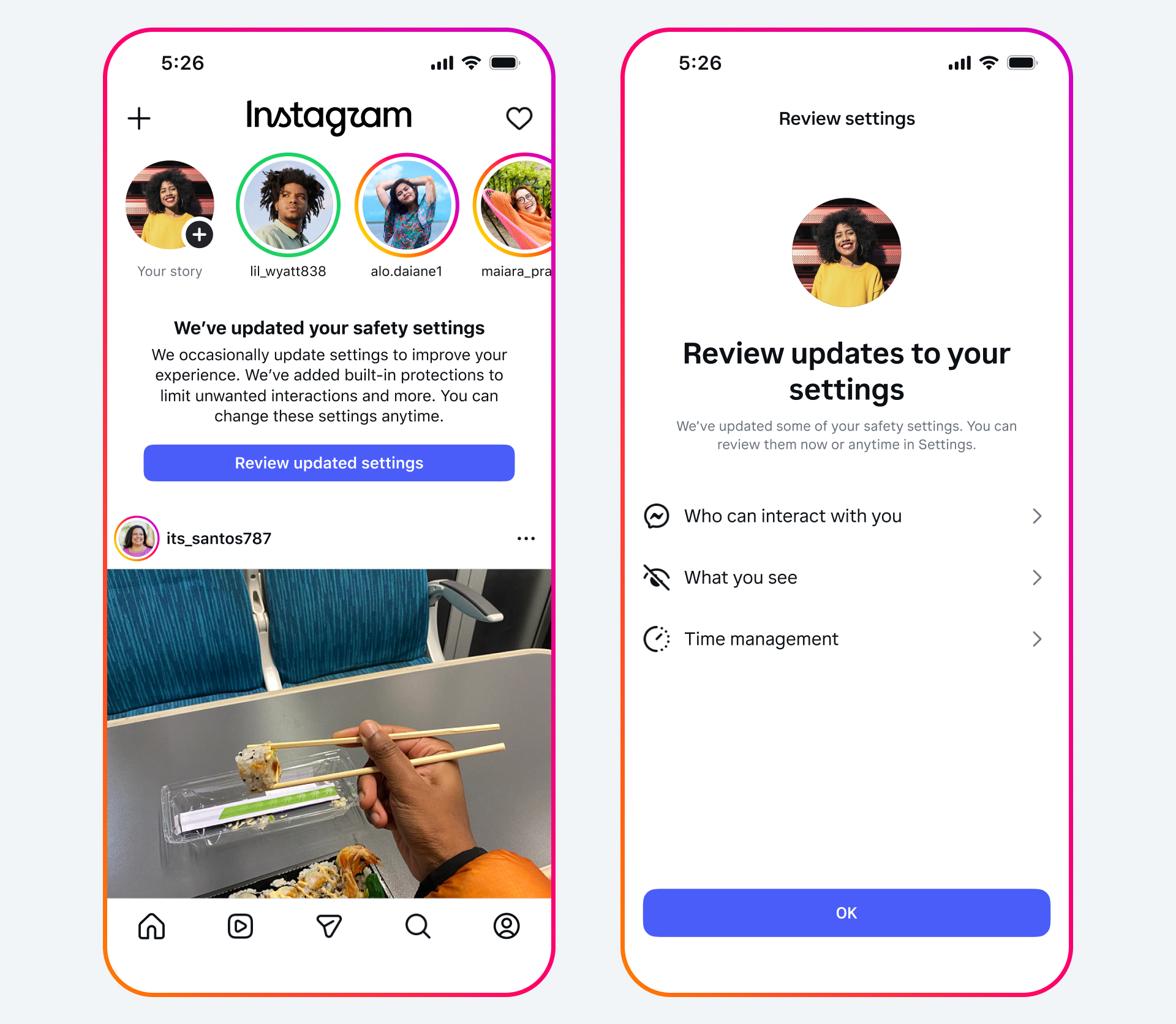
Meta announced that it is expanding its AI age estimation technology on Instagram globally. The system looks for accounts that appear to belong to teens, even if they list an adult date of birth, and moves them into Teen Accounts with stricter settings. Meta is rolling out the same technology on Facebook and plans to launch it on Threads by the end of the year. It has also called on TikTok and YouTube to follow suit. Effectiveness remains an open question, though: according to Australia's eSafety Commissioner, as Social Media Today points out, 81.5% of underage users there kept accessing restricted apps even after the ban took effect.
Why it matters: For brands targeting young audiences, Instagram is getting narrower. Teen Accounts limit private messaging, sensitive content and ad targeting. Part of an audience that previously passed as adult may drop out of regular campaign reach. Creators with a young community should make sure their content and brand partnerships are appropriate for their followers' age.
 The EU wants common rules on when children can join social media
In September, the European Commission proposed the so-called Kids Act. It would ban social media for children under 13 and introduce starter accounts with parental consent for 13- and 14-year-olds. For minors, it would also restrict autoplay, infinite scroll and notifications designed to pull users back into the app. To keep a single set of rules across the bloc, at the end of October the Commission put its review of national bans on hold for 12 months. That has not gone down well with Austria or Denmark, which do not want to wait. According to Euronews, the Commission is also preparing its own privacy-preserving age verification app by the end of the year.
Why it matters: The Kids Act is not law yet and could take years to pass, but the direction is clear. Rules for working with child and teen audiences will eventually apply across the entire EU, including age verification. Anyone building their communication around the youngest users should expect smaller reach and stricter conditions. For brands and creators alike, now is a good time to check who their content and partnerships are really reaching.
Bonus: what people are talking about on social media and what you should know
Drama of the week: the $148 Skims Advent calendar
Kim Kardashian's brand Skims offered all customers a refund or store credit after its $148 Advent calendar became the target of widespread mockery. Its twelve doors held hair ties, bobby pins, headbands, keychains and a squishy toy with the logo, but no clothing at all. Unboxing videos spread across social media over the weekend, and one of them racked up nearly 65 million views, according to US media. Some people defended the brand, since the contents were listed on its website. For brands, it is a reminder that creators' unboxing reactions now shape how a product is perceived more than the campaign itself, and that a quick, customer-friendly response can at least partly limit the damage.
Record of the week: Ronaldo and one of the most-liked posts in Instagram history
On November 5, Cristiano Ronaldo announced on Instagram his retirement from the Portuguese national team. As of November 8, the video had 39 million likes, placing it among the twenty most-liked posts in Instagram history. According to Gulf News, within the first 24 hours it had already beaten Lionel Messi's farewell from earlier this year, which has around 20 million likes, in likes, comments and shares. Even in an age of algorithms and paid reach, a personal, emotional moment from someone with a loyal community still outperforms almost any other content.
Conclusion
This week, TikTok, YouTube and Instagram confirmed that social media is no longer just entertainment but also a store, a work tool and a source of income. At the same time, the rules are changing fast. Meta and the European Union are tightening protections for children and teens, and young audiences will be increasingly hard to reach.
For creators, now is a good time to try out the new tools, from custom effects in Edits to recommended products on YouTube, and to build stable income through affiliate deals and brand partnerships. For brands, creators are the key link between content and purchase. It pays to work with them long-term, keep an eye on who your content actually reaches, and remember that a single honest unboxing video can now make or break a product.
Carl for Social
Don't miss what's coming next.
Stay on top of social media trends and tips that help you grow your content on Instagram, TikTok, Facebook, and YouTube. Download Carl for Social — it's free.
Download app