Social Media News: Platforms are no longer fighting just over formats. They are fighting for the entire attention system
Social media is moving into its next phase. It is no longer just about who comes up with a better format, a shorter video, or a smarter recommendation algorithm. The major platforms are trying to control the entire attention system: from capturing trends, content creation, creator engagement, advertising, community, and performance measurement to AI automation.
Meta is testing prediction markets
One of the most notable stories of the week is the Meta Arena project. According to Reuters, Mark Zuckerberg explored a possible partnership with prediction-market platforms Polymarket and Kalshi, while Meta is also developing its own app called Arena, which is supposed to work on the principle of predicting real-world events. The difference compared with Kalshi and Polymarket is that Arena reportedly should not use real money, but game points.
At first glance, this may look like an innocent game. In reality, it is another step in the attention economy. Prediction markets combine sport, politics, economics, celebrities, competition, ego, status, community, and the feeling that a person “knows something before everyone else.” Reuters notes that prediction markets grew significantly in popularity during the 2024 U.S. presidential election and now allow users to bet on a wide range of events, from monetary policy to sports tournaments.
With this, Meta is testing whether reality itself can become another game format. Not just watching what is happening, but making predictions, competing, comparing yourself with others, and returning to the app to see whether you were right. But this is reputationally sensitive: Polymarket faced criticism after The Wall Street Journal described alleged paid creator campaigns featuring fake betting videos, after which lawmakers called for a federal investigation into its marketing practices.
TikTok wants to manage the entire advertising workflow
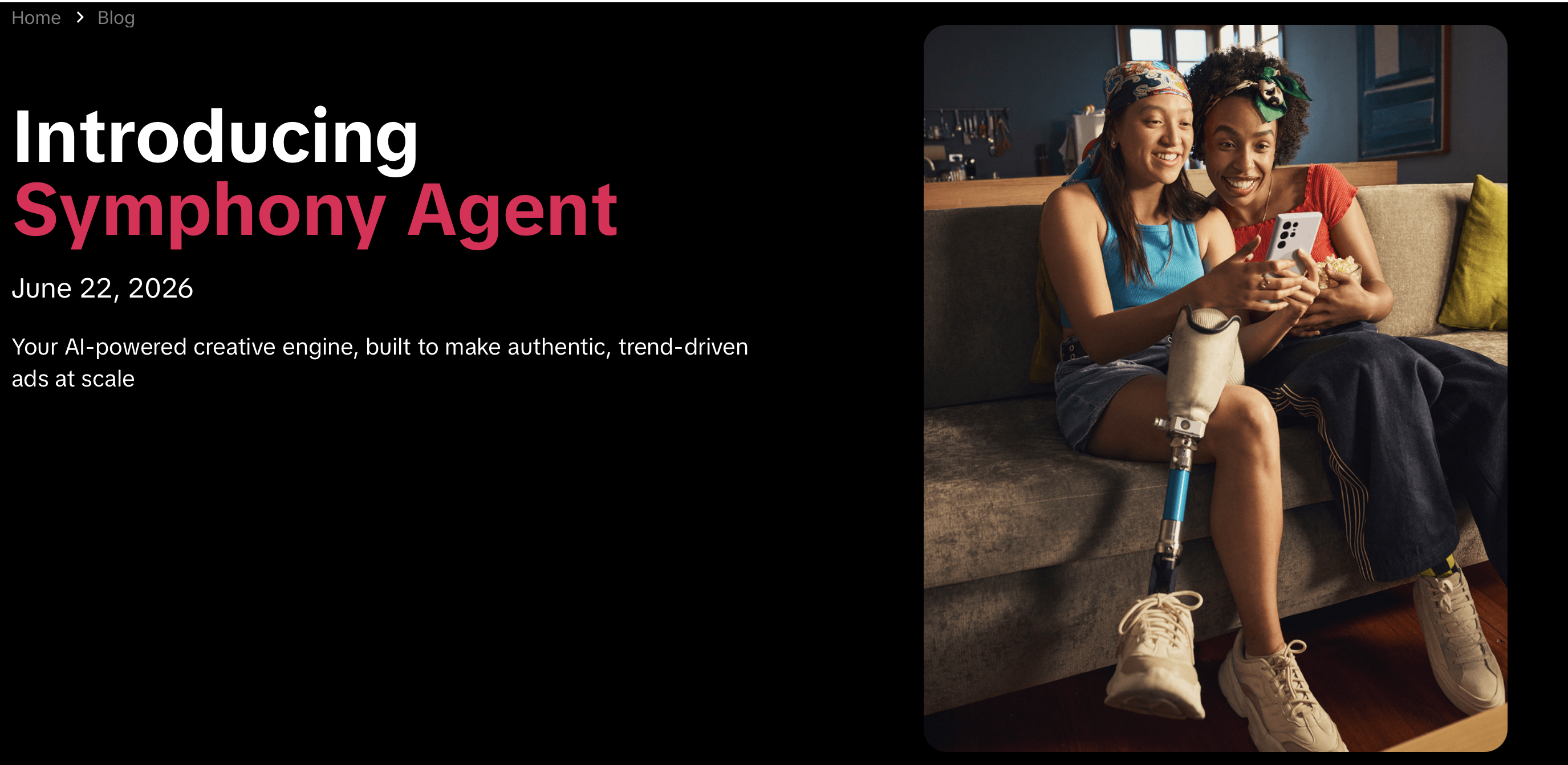
TikTok introduced Symphony Agent, an AI tool for creating trend-driven ads at scale. The platform describes it as an AI-powered creative engine designed to help create authentic TikTok ads faster and in greater volume. Symphony Agent is supposed to be built on TikTok platform signals and work across Symphony Creative Studio, Content Suite, and TikTok One.
The direction is clear: TikTok does not want brands to simply upload finished videos. It wants to be part of the entire process in which a trend is identified, creative is produced, creator content is selected, briefs are prepared, and the next version is optimized. In its Cannes Lions announcement, TikTok said that Symphony Agent in Content Suite helps brands discover and scale existing creator content, while in TikTok One it is meant to simplify creator discovery and campaign execution.
Employees as creators
An interesting signal comes from the collaboration between TikTok and Starbucks. TikTok announced its first Custom Creator Network with Starbucks. The program is intended to build on the Green Apron Creator Program and enable employee-driven storytelling, meaning the involvement of employees in creating content for the brand. TikTok says Starbucks will be able to share creative briefs with a community of employee-creators and involve them in the creator economy through content opportunities and ad revenue sharing.
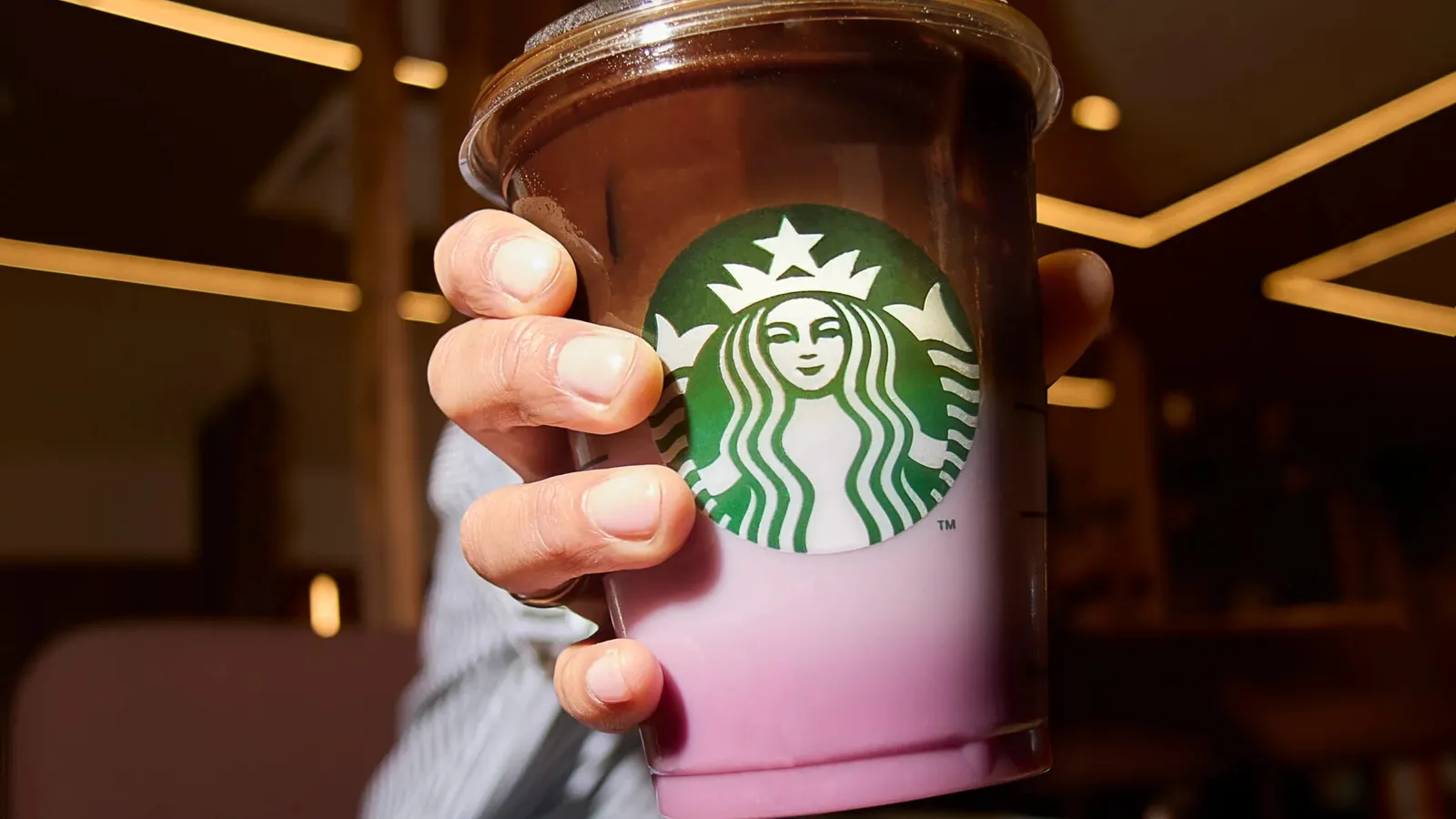
This is more important than a standard influencer collaboration. Brands are beginning to understand that the most trusted creators are often not celebrities or external influencers. They can be people inside the system: employees, coaches, salespeople, ambassadors, athletes, parents, or members of the community. Marketing Dive describes how Starbucks is piloting its own creator network precisely to strengthen employee-generated content and build on its Green Apron Creators program from 2024.
For Starbucks, those people may be baristas. For a sports camp, they may be coaches, children, parents, and organizers. For a fitness brand, trainers and clients. Influencer marketing is shifting from one-off campaigns toward building internal creator networks.
Fake authenticity is a problem
Alongside the growth of the creator economy, its darker side is also becoming visible. During the World Cup, DoorDash repeatedly tagged musician T-Pain on X instead of New Zealand footballer Tim Payne. It looked like a spontaneous brand mistake, but The Verge later reported that it was a partnership, and the posts were not clearly labeled as advertising.
Similarly, Gymshark is facing a class action lawsuit over the alleged use of paid influencers without proper disclosure of sponsored content. ClassAction.org states that the lawsuit was filed on June 16, 2026, and claims that Gymshark used paid fitness influencers on Instagram, YouTube, and TikTok without sufficient disclosure.
YouTube Shorts is moving closer to TikTok
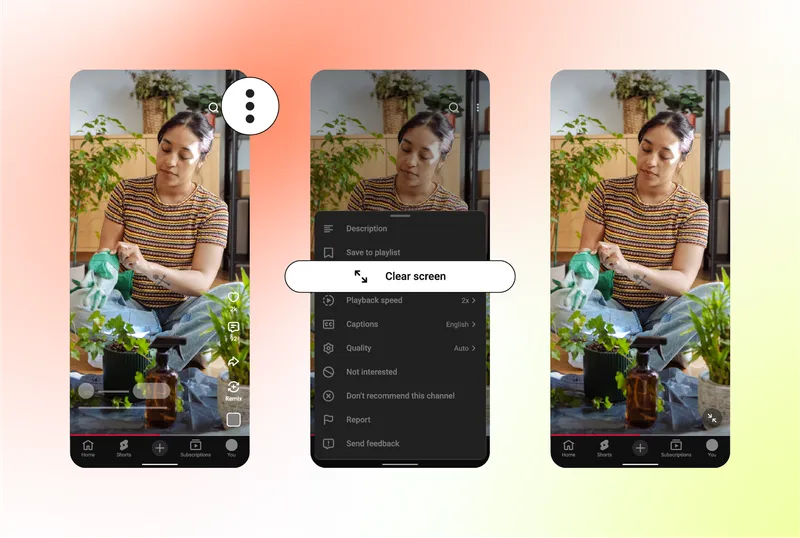
YouTube is updating Shorts. It is adding Clear Screen mode, the ability to play videos at 2x speed, a new heart icon instead of the classic like button, and removing the dislike button in favor of more precise signals such as “Not interested” or “Don’t recommend this channel.” The Verge describes the changes as another step bringing Shorts closer to the logic of TikTok.
At the feature level, this is a move toward TikTok. Strategically, however, YouTube is in a different position. TikTok often wins through the speed of trends. YouTube wins through the long-term value of content: an explainer, sports education, a technical breakdown, or an expert video can work in search and recommendations for months or even years. The changes to Shorts are therefore not just cosmetic. They are an effort to reduce friction in watching short-form videos and keep users longer in the short-form environment.
Shorts therefore do not have to be just recycled TikToks. They can become an entry point into a longer-term content world: series, explainers, behind the scenes, technique, training, stories, reactions, and education.
One more note from the World Cup
The Football World Cup continues to show that the sports internet has its own rules. Remember our heroes from previous editions. New Zealand footballer Tim Payne had 4,000 Instagram followers before the tournament, and after a viral campaign by Argentinian influencer Valen Scarsini, he has so far reached 5.8 million.
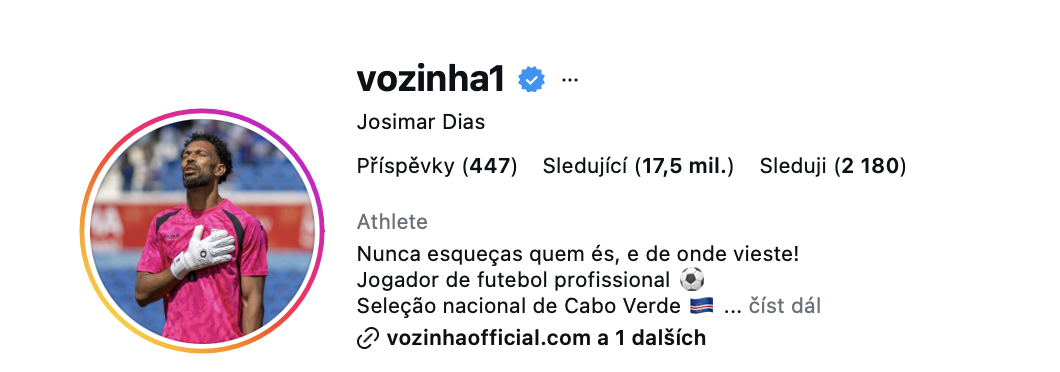
Cape Verde goalkeeper Vozinha offers an even more striking story. In mid-June, The Guardian reported his growth from roughly 20,000 to 7.2 million followers. At the moment, he has more than 17 million followers, and in the coming hours, as this blog is being written on Wednesday, he will stand in goal against Argentina, led by the legendary Messi. His follower count will therefore continue to grow.
Carl for Social
Don't miss what's coming next.
Stay on top of social media trends and tips that help you grow your content on Instagram, TikTok, Facebook, and YouTube. Download Carl for Social — it's free.
Download app