Skims and the $148 advent calendar: what went wrong and what to learn from it
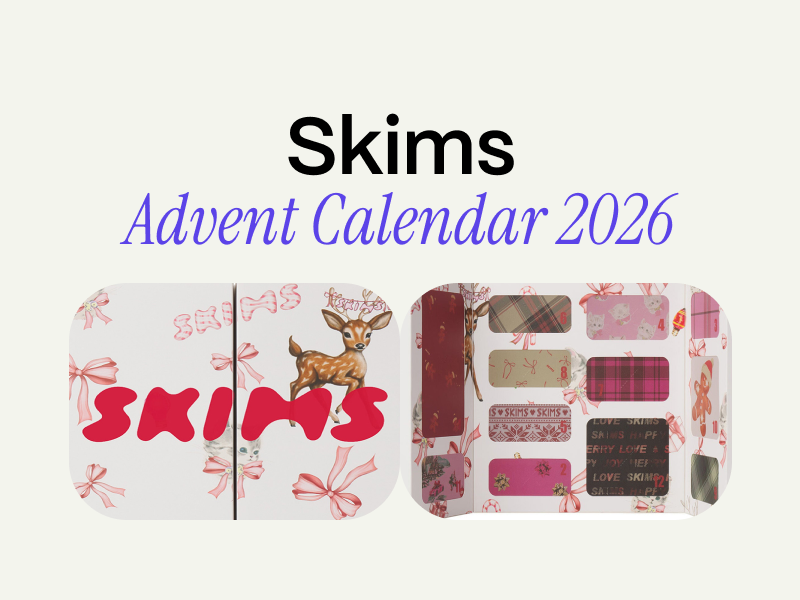
A $5 billion brand sold an advent calendar for $148. Inside were bobby pins, hair ties and four keychains. One TikTok video racked up 65 million views, and Skims had to offer every customer their money back.
How much would you pay for twelve doors of bobby pins? Skims went with $148. Within days, TikTok creators showed the brand it had got it wrong. The Skims advent calendar story is a textbook case of how a product’s fate today is decided not by the campaign, but by the first unboxing.
What is Skims?
Skims is an American shapewear, underwear and loungewear brand founded in 2019. It made its name with inclusive sizing, shades designed for a range of skin tones, and limited drops that sell out within hours. In seven years it has grown into a company valued at $5 billion, with annual revenue of around $1 billion. It has brick-and-mortar stores, a men’s line and a joint collection with Nike, NikeSkims. This is not a young online store that slipped up out of inexperience.
Who is behind the brand
The face of the brand is Kim Kardashian – co-founder, creative director and largest individual shareholder. Her social media reach has been the main engine behind Skims from day one. The business is run by CEO Jens Grede, co-founder of the denim brand Frame. Product is overseen by his wife Emma Grede, who co-founded Good American with Khloé Kardashian.
Incidentally, the brand originally launched as Kimono and renamed itself in 2019 after a wave of criticism. So it knows how to listen to its community. This year, it had to do it again.
 What Skims offered: 12 doors for $148
In late October, Skims launched its Accessories Advent Calendar: 12 doors for $148, or roughly $12 per door.
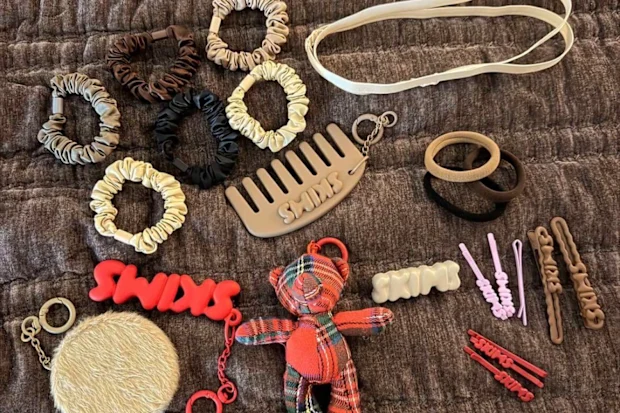
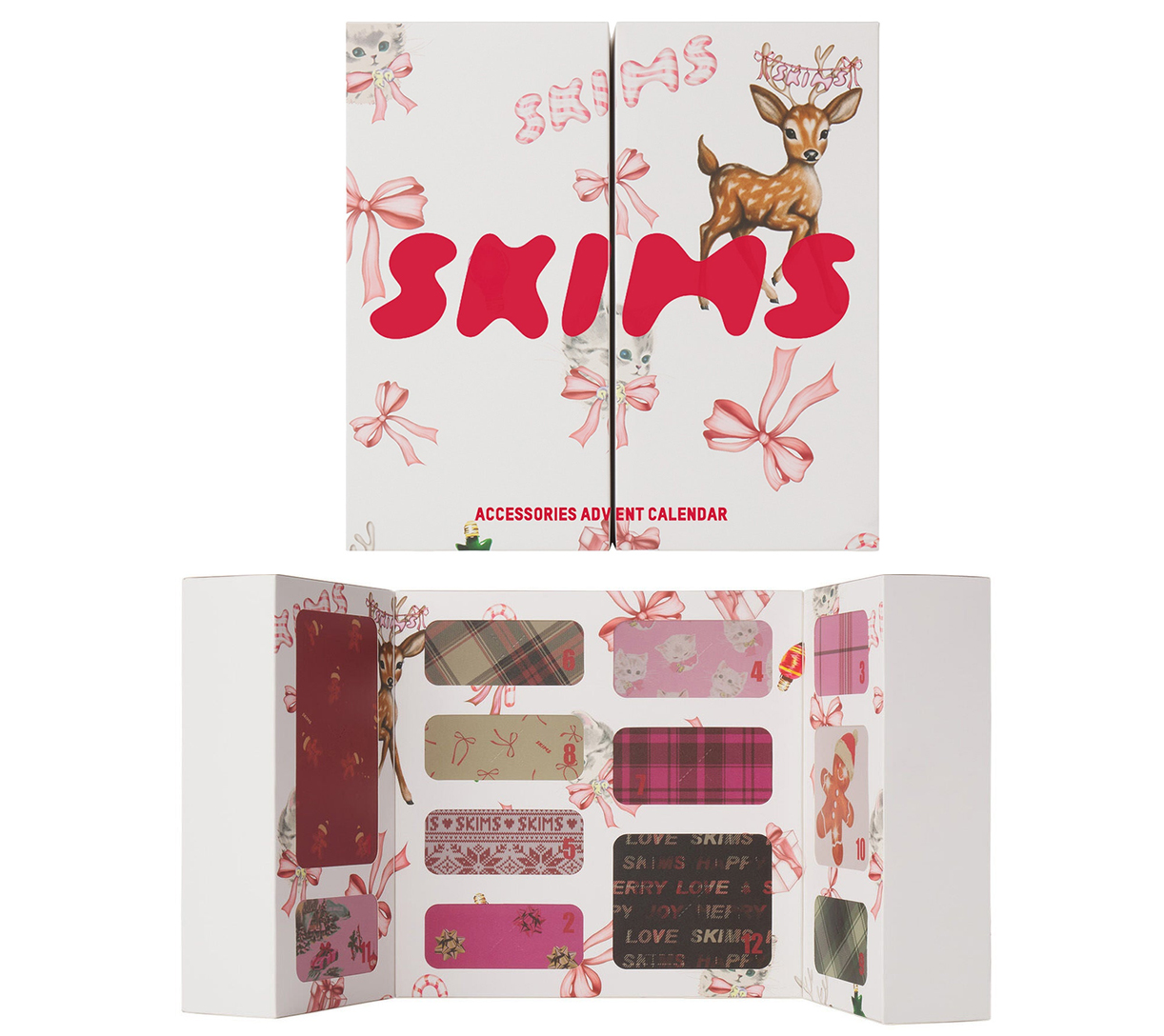 Inside were four keychains, two packs of hair ties and scrunchies, two packs of bobby pins, hair clips, a stress-relief squishy and headbands made from bra-strap elastic. Not a single piece of clothing.
 What happened: an unboxing seen by tens of millions
On Friday, November 6, creator @wetsloppyswollen posted a video of herself opening the calendar door by door. She grew more frustrated with each one and finally addressed Kim directly, saying it was simply too expensive. The video has over 65 million views and 8 million likes.
Others joined in. Kayla Ryan, a creator with more than a million followers, called the calendar a joke in a video with nearly 20 million views. The account @spicychathouse compared the contents to the odds and ends a cat collects around the house.
A few people came to the brand’s defense: the contents had been listed on the website in advance. But the criticism wasn’t about quality, it was about the gap between the price, the brand name and what was inside. Skims had set those expectations itself.
What’s the fix: a full refund for everyone, no exceptions
Skims didn’t wait for it to blow over. On November 8, a brand spokesperson acknowledged that for some customers the calendar didn’t meet expectations. According to the brand, it personally contacted every buyer and offered a choice: return the calendar for a full refund, or keep it and receive roughly $150 in store credit. Some customers got the offer email before the calendar itself arrived. Meanwhile, the product disappeared from the website.
What works: no arguing with creators, no vague apology without action, a concrete offer for every customer. The store credit option also keeps the money within the brand. What doesn’t: the whole situation could have been prevented before the calendar ever went on sale.
Takeaways for brands: creators will test your product either way
Skims showed that a product’s success is decided by the first unboxing. And creators will film it whether you send them the product or not. Test your product with creators before launch. Ten to twenty creators from your target audience are the cheapest focus group you’ll ever have. Their first reaction will tell you more than any internal sign-off. Price against expectations, not costs. A brand name won’t justify the price if the contents don’t match what people know you for. When things catch fire, act concretely. It wasn’t the apology that calmed things down – it was a refund for every customer.
Takeaways for creators: honesty is your biggest strength
This story didn’t start in Skims’ marketing department. It started with people who filmed an honest unboxing. A $5 billion brand then changed course within two days. Honesty is your biggest strength. Your followers can tell when you’re just praising a product. An honest opinion will take you further than one paid burst of enthusiasm. Criticize the value, not the people. The strongest videos simply showed what was inside and what it cost. Agree on terms upfront. In a paid collab, settle with the brand what you’ll do if the product isn’t worth it.
Carl for Social
Don't miss what's coming next.
Stay on top of social media trends and tips that help you grow your content on Instagram, TikTok, Facebook, and YouTube. Download Carl for Social — it's free.
Download app