Australia wants an algorithm off-switch, Apple unveils a foldable iPhone, and Wimbledon closes the door on influencers
Australia is proposing a law that would let people switch off algorithmic content ranking, and Instagram has immediately countered with data on the resulting drop in reach. At its "Surprise and Shine" event, Apple unveiled its first foldable iPhone and opened pre-orders. Instagram Edits can now handle carousels, not just Reels. And in response to the chaos surrounding influencers at the US Open, Wimbledon announced that it will not grant content creators any special accreditation in 2027.
This week was largely about one question: who actually controls what people see on social media, and who is accountable for it. Australia proposed a law that would give users a clear choice between an algorithmic and a chronological feed, and Instagram responded by publicly defending the algorithm. Meanwhile, Apple showed that hardware launches can still spark a wave of attention across every platform, no algorithm required. Instagram continues pulling content creation into a single app, and Wimbledon showed that big events still haven't figured out their relationship with influencers. None of this week's news will change your strategy overnight, but each story is worth a few minutes of your attention.
Australia wants to give people an algorithm off-switch, Instagram warns of a drop in reach
On September 8, the Australian government published a draft of the Digital Duty of Care bill, which includes the "My Feed, My Way" initiative. Under the proposal, platforms would have to notify both new and existing users of their option to choose between an algorithmically ranked feed and a chronological feed showing only accounts they follow. The bill would also tighten protections for minors against harmful content and design features that encourage addictive behavior.
Instagram head Adam Mosseri responded by claiming that user engagement drops by as much as 50% after switching to a chronological feed, since the feed quickly fills up with business and media accounts that post most frequently. For brands and marketers, this is an important signal for the future: if similar regulation lands elsewhere, purely algorithmic reach will stop being a given, and organic content will have to stand on its own even without help from a recommendation system.
Apple unveils its first foldable iPhone, sparking a wave of content across every platform
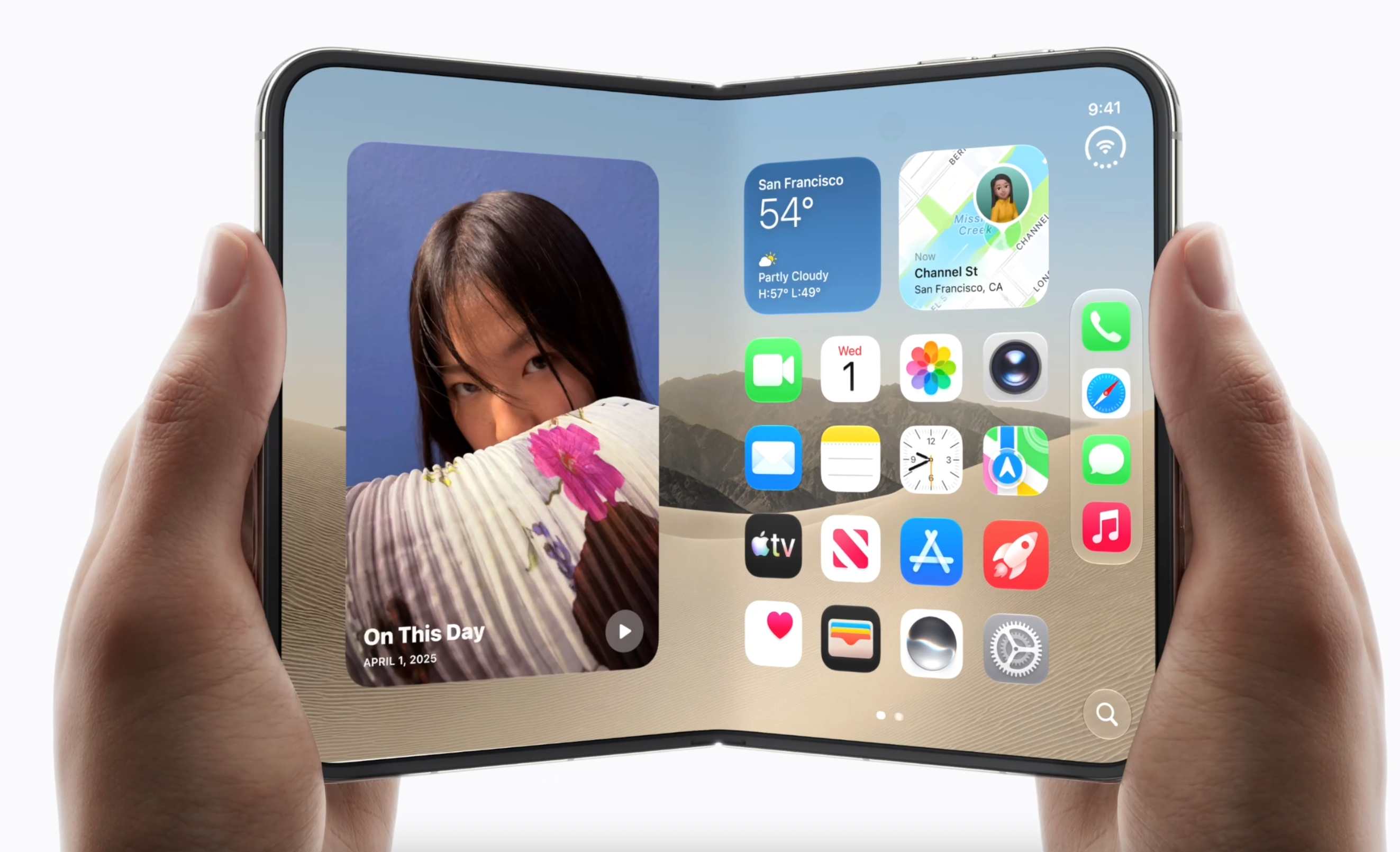
At its "Surprise and Shine" event on September 9, Apple launched the iPhone Duo, its first foldable phone, alongside the iPhone 18 Pro and Pro Max. Pre-orders for the standard 18 Pro line opened on September 11, while pre-orders for the iPhone Duo itself don't start until October 16, with availability from October 23.
For social media, this was a textbook example of how a single product launch can flood feeds across platforms for days, everything from mixed reviews to memes about a design "crisis" to the first unboxings. For brands outside the tech space, it's a reminder that major product launches still work as a natural hook for reactive and comparison content, even when the topic has nothing to do with your industry.
 Instagram Edits now handles carousels and static photos, not just Reels
Instagram has expanded its Edits app, until now primarily a Reels editing tool, to let users create and edit static photos and carousels of up to 20 slides. The feature has been gradually rolling out to users since September 9–10, turning Edits from a purely video-focused tool into a more complete creative workspace.
For small businesses and marketing teams, this means one less app in the content creation cycle. Instead of jumping between Edits, Canva, and a photo gallery, the entire post, carousel included, can now be put together in one place.
What happened at the US Open, and why Wimbledon isn't opening its doors to influencers
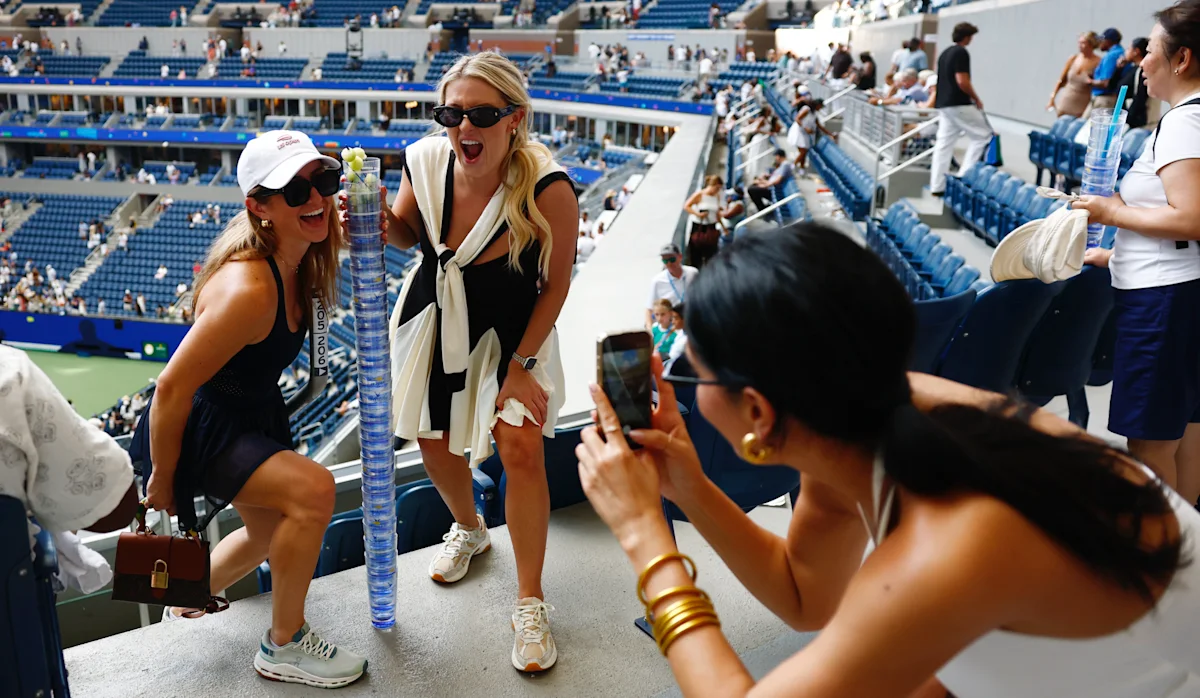
This year's US Open significantly opened its doors to content creators, granting accreditation to around 100 influencers, twice as many as last year. It paid off in terms of reach, but it also caused problems: a group of creators filming with ring lights disrupted Naomi Osaka's match, play had to be stopped, and players including Osaka and Coco Gauff publicly called for more respect for tennis etiquette afterward. The USTA even revoked accreditation from two influencers over rule violations.
In response, the All England Lawn Tennis Club announced that Wimbledon 2027 will not introduce a separate accreditation category for influencers and content creators. Creators will only be able to attend the tournament with a standard ticket, like any other spectator, without special backstage access. The tournament also confirmed it will confiscate equipment such as ring lights if it risks disrupting play, and that the 2027 ticket terms will explicitly ban any "live or near-live" broadcasting of audio or video from matches.
Analysts noted this week that these represent three distinct approaches major sporting events are taking toward content creators: the US Open significantly expanded their access this year, the FIFA x TikTok program at the football World Cup gave them a clearly defined role (where they can go, what they can film), while Wimbledon rejected a special category altogether. What comes next remains unclear, as neither the US Open nor other major tournaments have yet officially commented on potential rule changes for 2027, so a similar debate (and possibly stricter rules) can likely be expected at other events that are only just starting to open their doors to content creators.
 For brands investing in sports sponsorships and influencer partnerships, this is an important reminder: access to creator content varies significantly from event to event and can change from year to year, and etiquette and creator briefings are increasingly becoming a standard part of the contract, not just an optional recommendation.
Across all four stories this week, the same pattern emerges: who controls audience attention, whether it's an algorithm, a platform, or an event organizer, is becoming an increasingly political and commercial issue. Whether it's the choice of feed, new hardware, a content creation tool, or the rules for creators at a major event, the underlying principle stays the same: transparency and clearly set rules are now rewarded by platforms and organizers more than ever before.
Carl for Social
Don't miss what's coming next.
Stay on top of social media trends and tips that help you grow your content on Instagram, TikTok, Facebook, and YouTube. Download Carl for Social — it's free.
Download app