LinkedIn bets on creators, Instagram pays for long-form video and Reddit closes its doors
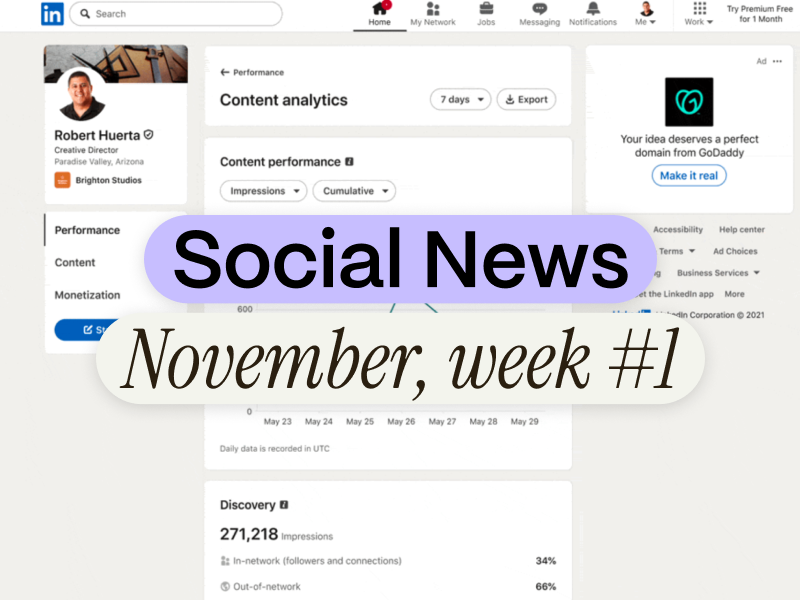
LinkedIn is giving creators better data, and brands are spending more on creator partnerships there than ever before. Instagram is buying long-form video with cash, TikTok is turning into a restaurant guide, and Reddit wants to show its content only to logged-in users.
This week revolved around one question: who owns attention, and who pays for it. LinkedIn is adding more detailed analytics for creators and reports that ads featuring creators grew 63% year over year. Instagram has realized that long-form video alone won't attract creators, so, according to Business Insider, it's offering them up to $500,000 for content in its new Features format.
Meanwhile, TikTok continues its shift from entertainment to search engine with a restaurant guide built on community recommendations, plus new brand safety tools. And Reddit, which long benefited from traffic coming from Google and AI chatbots, is preparing to put its content behind a login as that traffic declines.
For creators, this means new ways to measure and monetize their work, but also a warning that relying on platform payouts is risky. For brands, it means creators are becoming a full-fledged media channel, while organic reach through search keeps shrinking. We picked four updates and added context on why each one matters.
LinkedIn: sharper creator analytics and creator ads up 63%
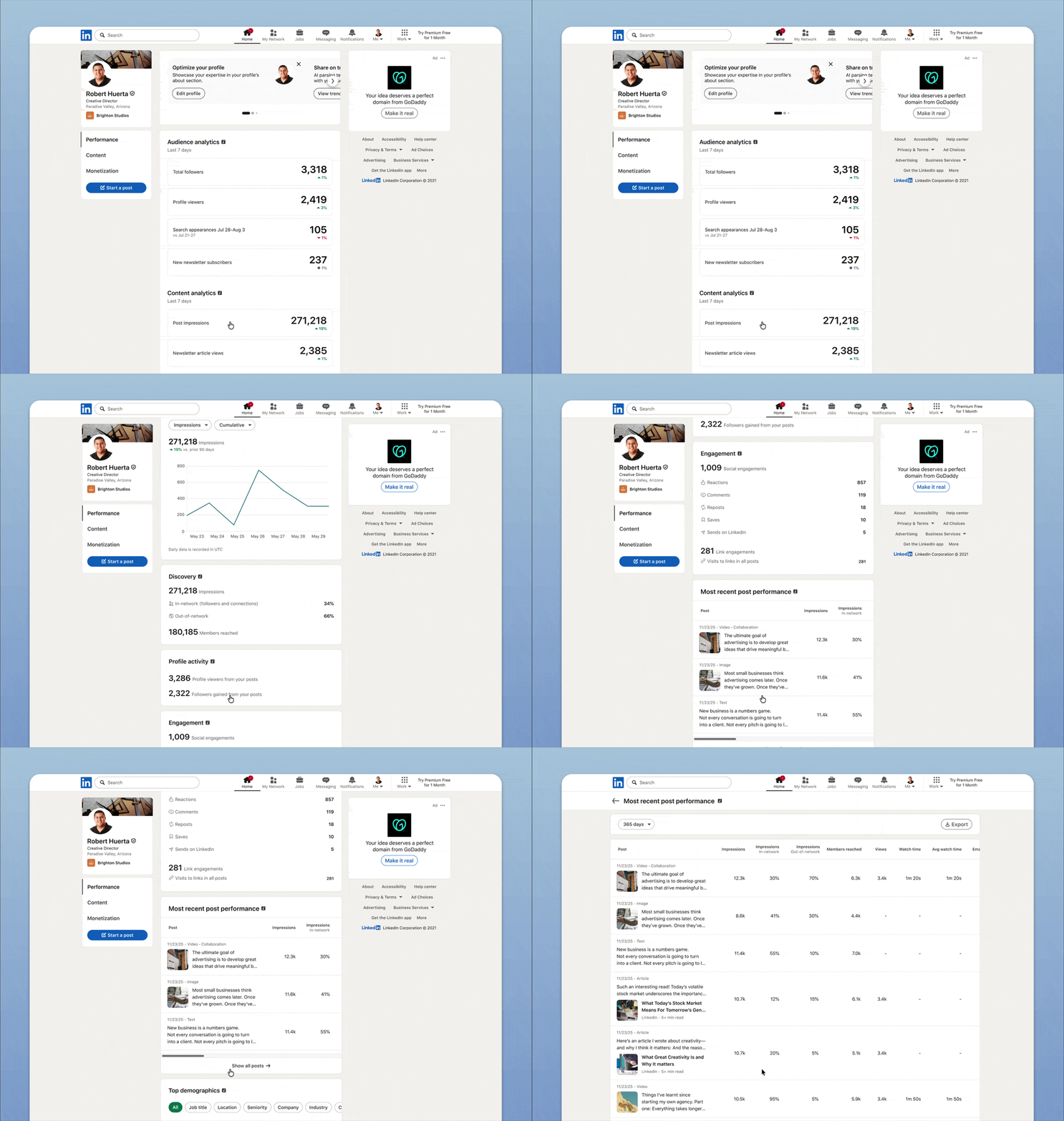
LinkedIn explained how the new creator analytics it announced last month work. There's now a performance table that shows all your posts in one place, so you no longer have to click through post by post to see impressions, views and watch time. Three new metrics have been added too: how many people saved a post or sent it to someone, exactly who started following the creator because of a given post, and how much of the reach came from connections versus people outside their network.
At the same time, LinkedIn shared its results for Microsoft's first fiscal quarter (July to September 2026). The network has more than 1.4 billion members, time spent with content in the feed rose 15% year over year, and paid video grew 25%. The standout figure, however, belongs to creators: ads featuring creators grew 63%. Established creators who post daily are growing six times faster than the rest, and Premium Company Page subscriptions rose 121%.
Why it matters: Saves and shares are a much stronger signal of value than likes, and creators can finally see which content people actually find useful. The out-of-network reach metric shows whether a post is reaching new audiences or just existing connections. For B2B brands, the 63% growth in creator ads is a clear signal that LinkedIn budgets are shifting from company pages to people audiences trust. With more precise data, brands can also vet creators better before a partnership: simply ask for the performance of their recent posts, including saves and out-of-network reach.
 Instagram Features: Meta is paying creators up to $500,000 for long-form video
Last time, we wrote that Instagram is testing Features, horizontal videos up to 90 minutes long, but without ad revenue sharing. Now we're seeing how it plans to fill that gap. According to Business Insider, Meta is offering select creators $50,000 per long-form video, while bigger names are getting six-figure deals of up to $500,000. Meta didn't confirm the figures but acknowledged that it is funding Features content directly with some creators. Adam Mosseri himself admitted on Threads that the economics of the format are crucial and that his team is exploring more ways to pay for long-form video.
Meta has tried this before. In 2021, it promised creators $1 billion, partly for long-form video on IGTV, and shut down the standalone IGTV app a year later. The gap with YouTube is also significant: according to an analysis by VidIQ, creators with more than a million followers earn around $50,000 a month on average on YouTube, compared with $5,000 to $15,000 on Instagram. Views on Instagram alone, without a brand deal, earn practically nothing.
Why it matters: One-off payments go only to big names and don't create a system anyone can rely on. For most creators, long-form video on Instagram will pay off mainly through brand partnerships. For brands, this is an opportunity: Instagram needs Features to fill up with content, and podcasts, interviews and vlogs are ideal spaces for integrations. Brands that start testing long-form content with creators now can gain an edge before the format gets crowded.
TikTok Must Eat: a community-powered restaurant guide and a new Brand Safety Center
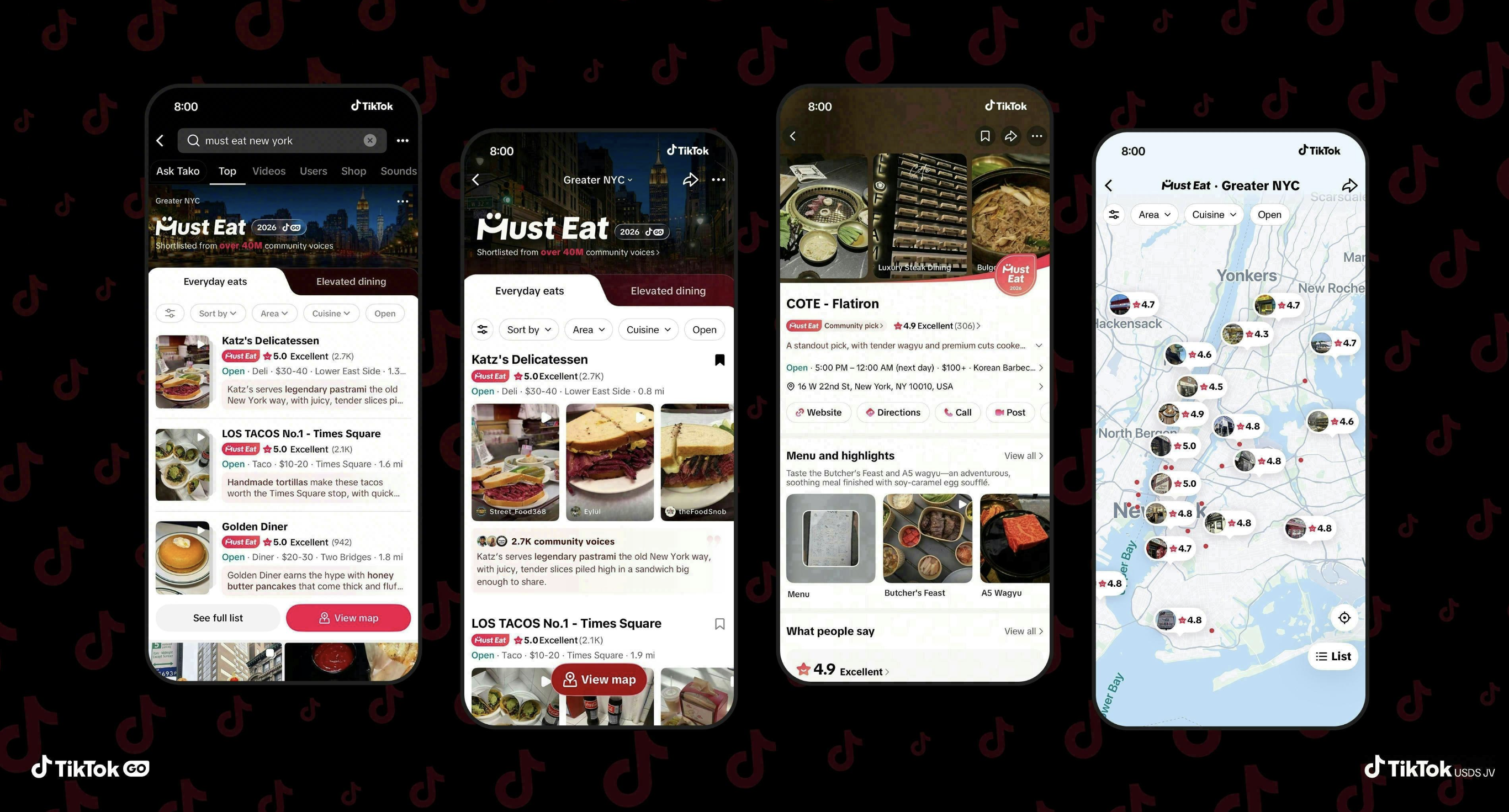
TikTok has launched Must Eat in the US, a restaurant guide built on user recommendations and engagement. People can browse places by city and filter by cuisine, price, rating and location. Each restaurant has its own page with neighborhood details, a price range and the TikTok videos that made it popular. Selected restaurants can be booked directly in the app through OpenTable, and users can save them to their collections. TikTok says that last year, 27 million Americans visited an independent business for the first time after discovering it on TikTok.
China's Douyin has had a similar guide since 2023 and has since expanded into in-app food ordering. TikTok also introduced a new Brand Safety Center, together with a Brand Protection Playbook and AI Safety Essentials, a guide to using AI responsibly in advertising. The tools are designed to help brands track what people are saying about them on the platform and catch risks early.
Why it matters: TikTok stopped being just entertainment a long time ago; people use it to find out where to go and what to buy. Must Eat directly links creator content to customer decisions, which makes partnerships with food creators even more important for restaurants and local brands. For now, the feature is only available in the US, but it shows where the platform is heading. The Brand Safety Center, in turn, responds to the growing volume of AI content. For more cautious brands and agencies, it's an argument for adding TikTok to the media mix, and also a reminder that controlling the environment your ads appear in is now just as important as reach itself.
 Reddit: less traffic from Google and AI, so content for logged-in users only
In its third-quarter results, Reddit reported revenue of $895 million, up 53% year over year, and more than 500 million weekly active users. But the strong numbers hide a problem: traffic from search engines and AI chatbots is dropping significantly, and the US, which accounts for roughly 80% of revenue, is losing active users. According to CEO Steve Huffman, search referrals in October were down by more than a million visits a week. If the trend continues, daily active users could fall by a low double-digit percentage in the fourth quarter.
The answer is a move to a primarily logged-in Reddit. Huffman points to a better user experience, more data for ad targeting and protection of content that is extremely valuable to AI companies. Testing will begin this year in select markets outside the US, so the change could soon reach other regions too. Reddit is also launching an algorithmic For You feed and reports that the share of new users who return within their first week after installing the app grew by more than half year over year.
Why it matters: In recent years, Reddit has been one of the main sources feeding both Google results and AI chatbot answers. Brands that built their search visibility on Reddit discussions need to expect this channel to weaken and become even harder to find behind a login. Reddit, on the other hand, wants to become a destination with its own audience and better ad targeting. For brands, that means less “free” traffic from search and more reasons to invest in paid formats and an authentic presence in communities on the platform itself.
Conclusion
LinkedIn is giving creators better data, Instagram is paying them for content, TikTok is building discovery right into the app, and Reddit is locking up its discussions. The common thread is clear: platforms want to keep both audiences and content in-house, and creators are becoming more and more valuable to them. Meanwhile, organic reach through search engines and AI chatbots is shrinking.
For creators, now is the perfect time to use the new data to learn what their audience actually saves and shares, and to experiment with longer formats. They should keep in mind, though, that platform money is uncertain and brand partnerships will remain their main source of stable income. For brands, this is a signal that creators are becoming a full-fledged media channel, on LinkedIn just as much as on Instagram or TikTok. It pays to choose creators based on real performance data, keep an eye on the safety of the environment where your brand appears, and not rely solely on customers finding you through search.
Carl for Social
Don't miss what's coming next.
Stay on top of social media trends and tips that help you grow your content on Instagram, TikTok, Facebook, and YouTube. Download Carl for Social — it's free.
Download app