Social Week: Czech Tennis Players Conquered Wimbledon and Social Media
Last week was marked by a major Czech success at Wimbledon. Together with the FIFA World Cup, the tournament showed that athletes are no longer simply carriers of sponsors’ logos. They are becoming global media brands with audiences of their own. Meanwhile, there have also been several notable developments involving TikTok, X and influencers creating their own original series.
X will let brands turn organic mentions into ads
X has launched an advertising tool called Mentions Boost, which allows brands to pay for wider distribution of posts in which they have been mentioned positively. An ordinary customer experience, review or creator recommendation can therefore be turned into a performance ad with its own budget, campaign duration, product link and call-to-action button.
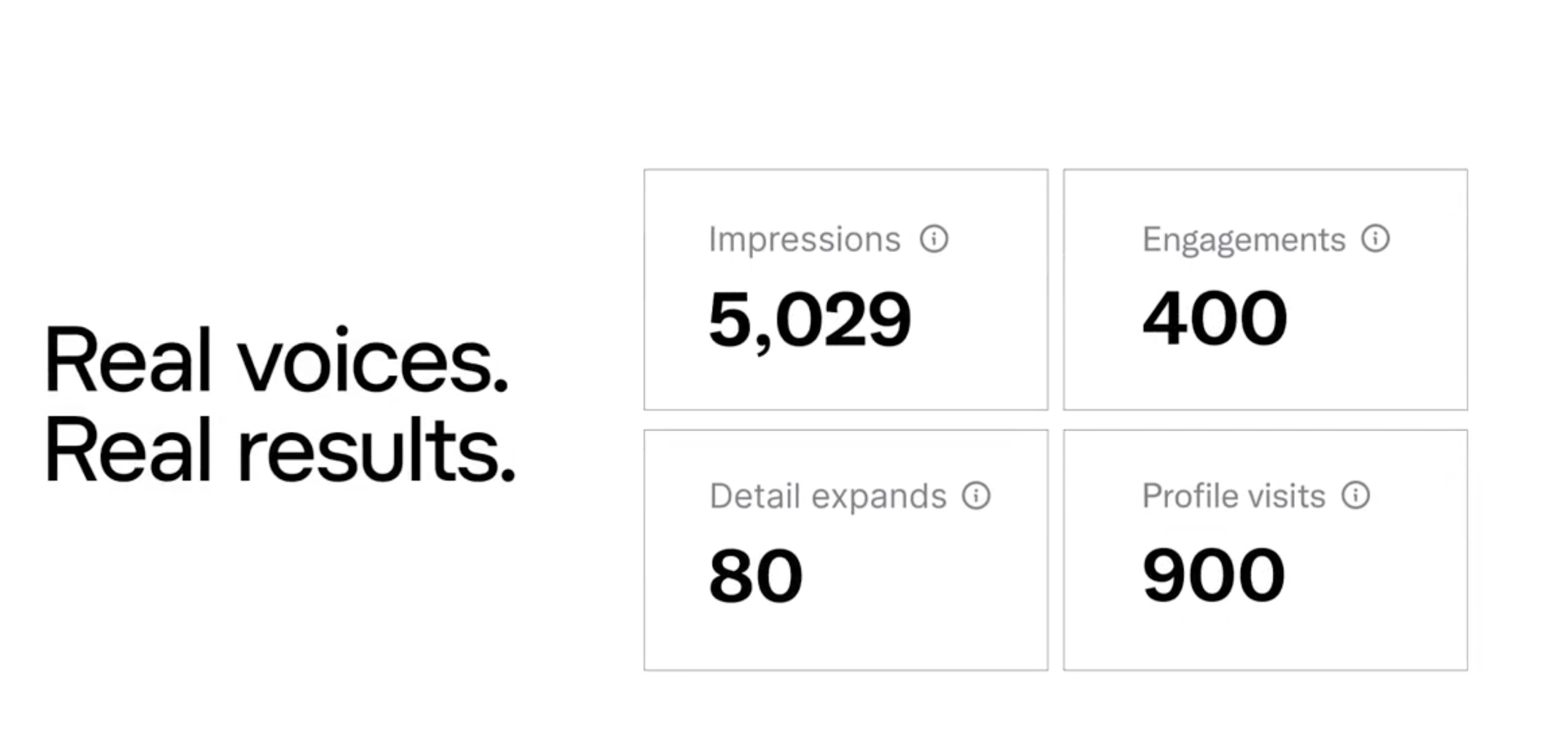
This is not simply a way to increase the reach of someone else’s post. X wants to transform organic conversations into an advertising format that does not require brands to produce new creative assets. The feature is currently available to Premium Business subscribers, with the basic plan priced at $200 per month. For influencer marketing, it is another reason to distinguish clearly in contracts between the fee for publishing content and the rights to amplify it through paid media.
TikTok will show what drives sales. Snapchat will connect ads with purchases
TikTok Shop has expanded its analytics for UK sellers. The new Product Traffic Analysis tool allows brands to compare products by content format, monitor their visibility in search and recommendations, and, most importantly, identify whether traffic was generated by a livestream, a shoppable video or an affiliate creator. Sellers can also compare the conversion efficiency of individual traffic sources.
TikTok is therefore moving beyond basic revenue reporting towards a more precise answer to a crucial question: which content, creator or format is actually helping to generate sales?
Snapchat is going even further through a partnership with US retailer DICK’S Sporting Goods and LiveRamp. A data clean room will connect Snapchat ad exposure with verified online and in-store purchases at DICK’S, without the individual parties directly sharing customers’ personal data.
Snapchat says its global community is approaching one billion monthly active users, while around 215 million people watch sports content on the platform every month. According to the partners, a pilot Adidas campaign promoting the Anthony Edwards 2 and Harden Volume 10 basketball shoes generated more than $12 in revenue for every dollar spent on advertising. The integration is now available to advertisers in the United States.
The all-Czech final created two much stronger media brands
Linda Nosková defeated Karolína Muchová 6-2, 5-7, 6-3 in the final and won her first Grand Slam title at the age of 21. She became the youngest Wimbledon champion since Petra Kvitová’s victory in 2011. Muchová saved five match points in the second set, the highest number ever saved in a Grand Slam final.
The impact on social media was immediate. According to ongoing monitoring, eventual champion Linda Nosková had fewer than 50,000 followers before Wimbledon. By 16 July, her following had risen to around 125,000 to 126,000. She gained approximately 80,000 new followers during the tournament, meaning her audience almost tripled.
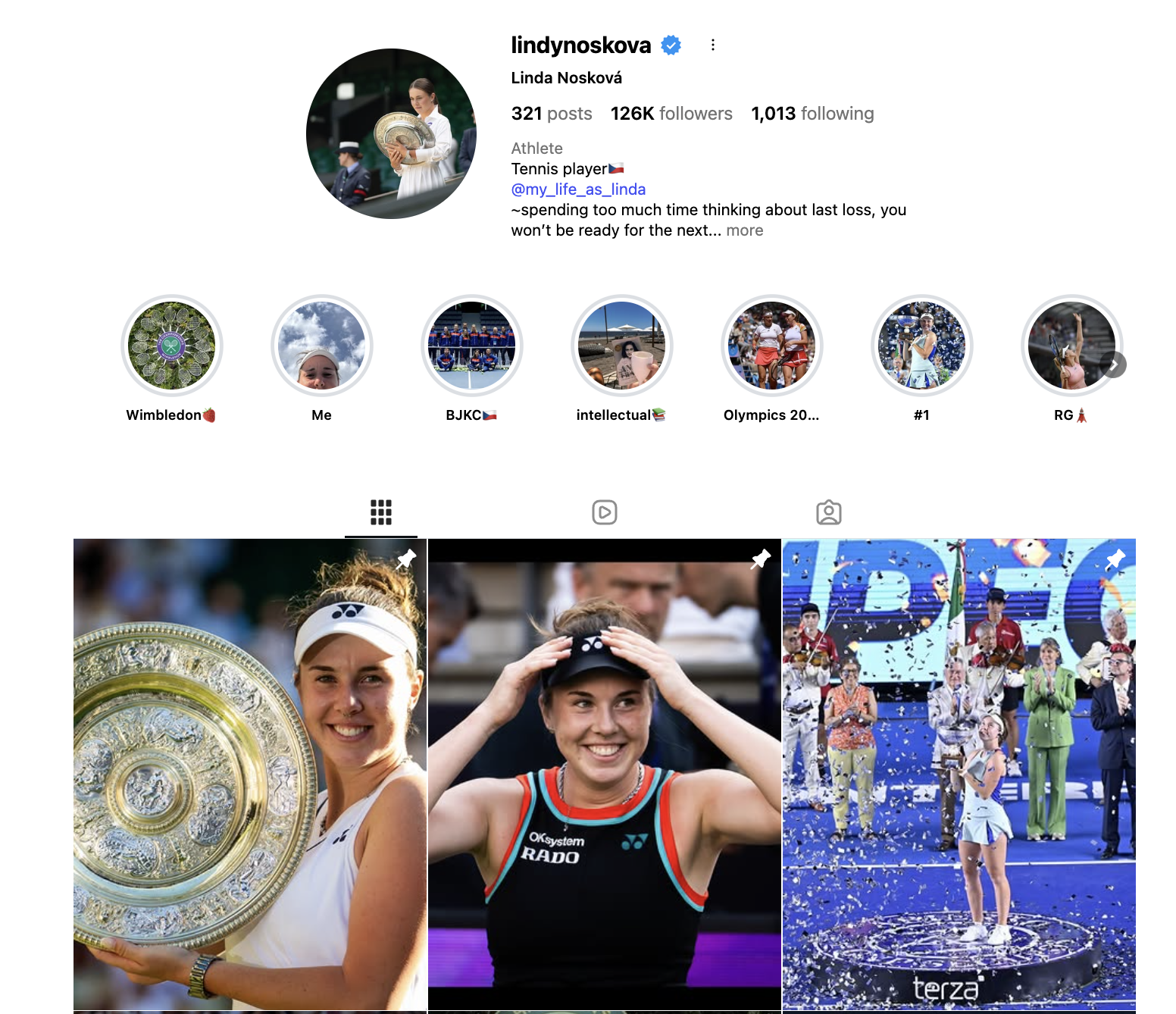
Finalist Karolína Muchová had around 227,000 followers on 10 July. Six days later, her profile had surpassed 291,000.
Wimbledon’s official Instagram account had approximately 7.52 million followers when the tournament began on 29 June. By the end of the event on 12 July, it had reached 8.09 million. In just two weeks, the account gained almost 572,000 new followers.
The volume of published content was also remarkable. During the tournament, Wimbledon’s Instagram account added more than 1,000 posts, videos and other content outputs, averaging more than 70 per day. Wimbledon therefore operates not only as a sports organiser, but also as a permanent digital newsroom, instantly processing matches, player emotions, behind-the-scenes moments, celebrities, fashion, traditions and fan stories.
This builds on its 2025 strategy. That year, Wimbledon officially reported more than four billion social media impressions. Engagement across its digital platforms increased by 16% year on year, while the number of registered myWimbledon users rose by 39%.
Wimbledon is also becoming more than a sporting event. In 2026, it invited a group of 12 creators from countries including India, Japan and Germany directly into the grounds. Social media now helps sell not only the matches, but also the entire Wimbledon lifestyle: fashion, traditions, strawberries and cream, celebrities and the experience of visiting the venue itself. International visitors now account for around one fifth of the total audience.
The FIFA World Cup generated 30 billion impressions and 1.7 billion interactions
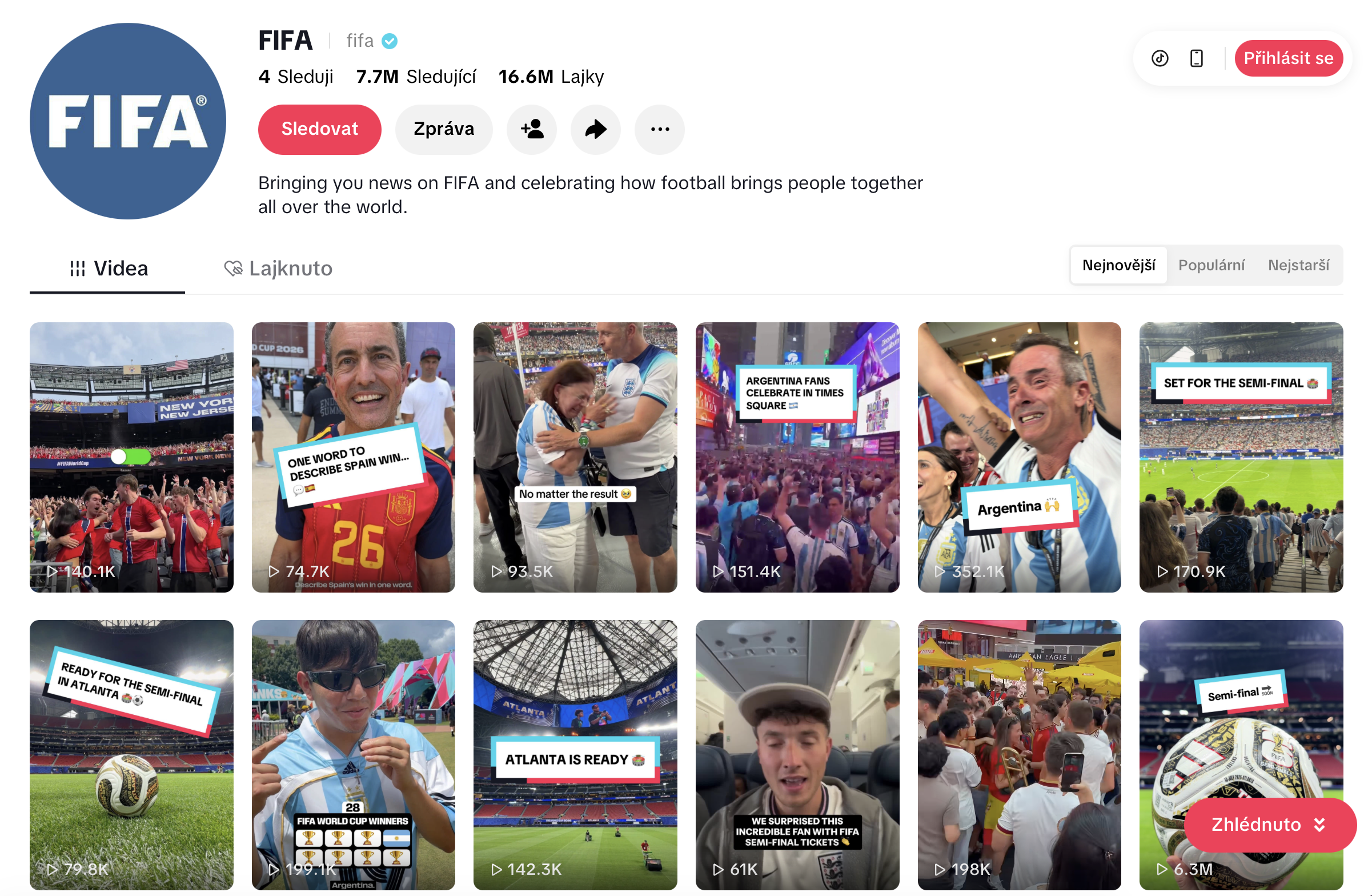
Twenty billion video views is an impressive figure, but on its own it does not capture the full scale of the tournament. According to data published by FIFA on 8 July, before the quarter-finals, the World Cup’s digital ecosystem had generated approximately 30 billion impressions, 1.7 billion interactions and 20 billion video views.
TikTok and YouTube accounted for 14.5 billion of those video views. Compared with the same stage of the World Cup in Qatar, impressions increased by 130%, interactions by 160% and video views by as much as 485%. A celebration known as the “Viking Row” alone surpassed 172 million views on TikTok. These were not the final figures for the tournament, but a snapshot taken before the closing matches.
The battle between Nike and Adidas also shows that brands can achieve different types of victory on social media. During the opening weeks of their campaigns, Nike generated an estimated 3.64 billion impressions, according to Sprout Social, compared with 3.43 billion for Adidas.
Nike’s main Instagram video reached 58.7 million views and 2.4 million likes. Adidas’ video recorded only seven million views, but attracted 2.56 million likes, giving it a significantly higher interaction-to-view ratio.
The World Cup therefore confirms a fundamental shift in sports marketing. A match is no longer simply a 90-minute television product. It is a source of thousands of reactions, remixes, livestreams, memes, creator videos and cultural moments that continue to circulate long after the final whistle.
Carl for Social
Don't miss what's coming next.
Stay on top of social media trends and tips that help you grow your content on Instagram, TikTok, Facebook, and YouTube. Download Carl for Social — it's free.
Download app