Social Week: The World Cup Final Took Over the Platforms as Records Kept Falling
The FIFA World Cup was not record-breaking only in terms of sporting performance and television audiences. It also became one of the biggest events in the history of Meta’s platforms.
Meta has published exceptionally strong figures from the football World Cup. During the Argentina–Egypt round-of-16 match, WhatsApp broke its all-time record with more than 29 million messages sent per second. During the first month of the tournament, players gained a combined 213.6 million new Instagram followers, posts tagged with tournament-related topics generated 1.5 billion impressions on Threads, and approximately 80 million World Cup-related posts were published on Facebook.
Players selected for the tournament gained a combined 213.6 million new Instagram followers between 11 June and 11 July. Their total follower base increased by 6.6% in just one month, rising from 3.26 billion to 3.47 billion. At the same time, posts tagged with tournament-related topics generated 1.5 billion impressions on Threads, while approximately 80 million posts mentioning the World Cup were published on Facebook.
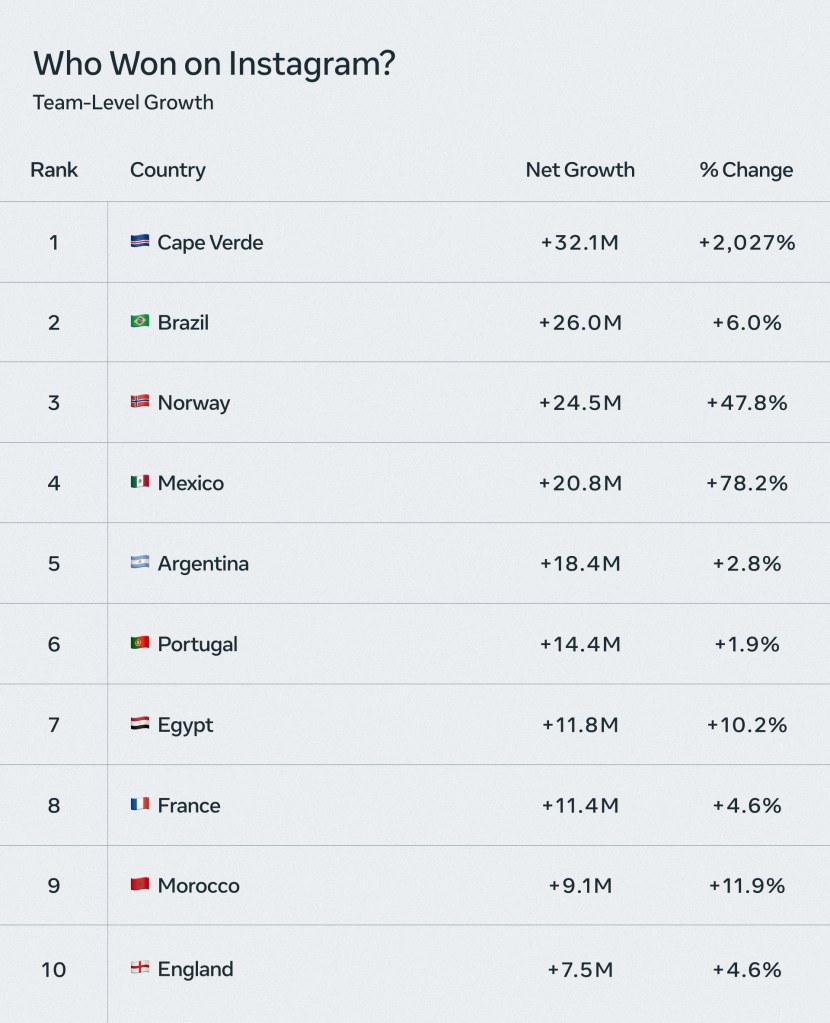
The most extreme example was Cape Verde goalkeeper Vozinha. According to Meta’s data, his Instagram account grew from approximately 37,000 followers to 28.8 million. This represents an increase of more than 77,000%. The entire Cape Verde national team gained more than 32 million new followers, making it the fastest-growing team of the tournament.
The Final Was More Than Just a Football Match
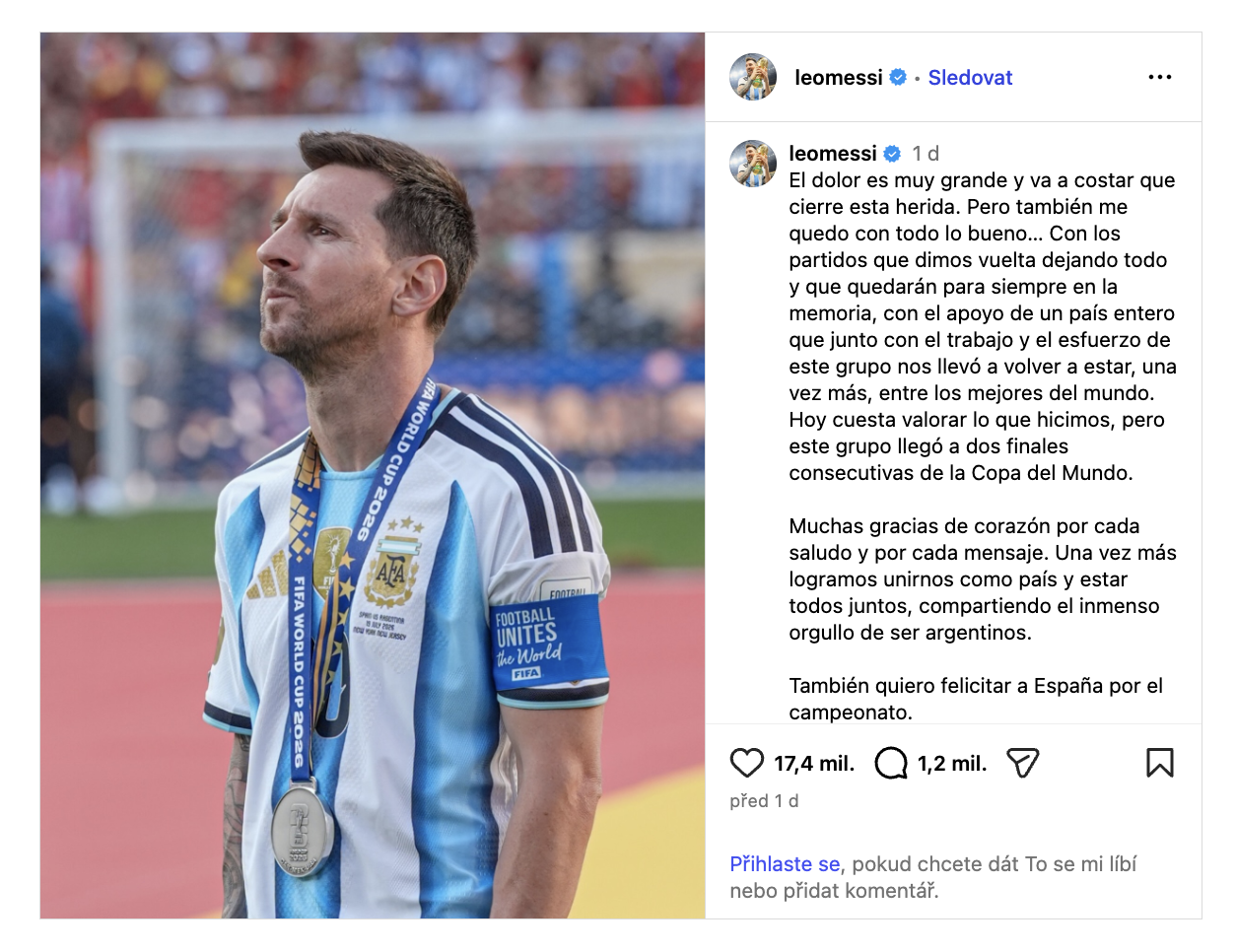
Spain defeated Argentina 1–0 after extra time. Lionel Messi subsequently published an emotional post thanking the fans and highlighting that Argentina had reached two consecutive finals.
However, the first halftime show in World Cup final history also attracted considerable attention. Performers included Shakira, Madonna, Justin Bieber and BTS. The eleven-minute programme extended the interval to approximately 27 minutes and sparked a debate about whether FIFA was trying too hard to imitate the Super Bowl.
The final also became a global celebrity event. Beyoncé and Jay-Z, Rihanna and A$AP Rocky, Dua Lipa, Kylie Jenner, Timothée Chalamet, Serena Williams, David and Victoria Beckham, and Mick Jagger were among those seen at the stadium.
One of the biggest viral moments was IShowSpeed’s meeting with BTS. Their joint Reel has already received more than 22 million likes and 140,000 comments. Another video posted by Speed from the halftime show attracted around three million likes.
This content demonstrated that the final reached a much broader audience than football fans alone. It connected sport, streamers, K-pop, music and global celebrities. Major sporting events are increasingly becoming pop-cultural platforms whose reach is generated not only by organisers, teams and players, but also by influencers and their communities.
Meta Will Alert Parents to High-Risk Conversations Between Teenagers and AI
On 16 July, Meta announced that parents using Instagram’s supervision tools may receive an alert when their child expresses suicidal thoughts or mentions self-harm during a conversation with Meta AI. Detected cases will be manually reviewed before an alert is sent.
The feature is currently available in the United States, the United Kingdom, Australia and Canada, and is expected to be rolled out globally by the end of the year.
TikTok Connects Sports Content Directly to Live Broadcasts
TikTok has entered into a multi-year global partnership with the NBA and WNBA. Selected creators will receive access to the leagues’ biggest events, while the platform, leagues and broadcasters will be able to use the GamePlan service to direct fans from videos to relevant programming, official accounts and live broadcasts.
During the NBA Finals, one in-app activation generated 497 million impressions, while a dedicated search hub sent 426,000 visits to live broadcasts. TikTok also states that users who watch sports content are 42% more likely to subsequently watch a live game.
TikTok Demonstrates the Economic Power of Creator Commerce
A new UK report commissioned by TikTok estimates that the platform contributed at least £10 billion to the British economy in 2025 and supported 153,000 jobs. It is also estimated to have helped small and medium-sized businesses increase their revenues by £3.4 billion. A total of 84% of the surveyed companies said TikTok had helped them increase sales or revenue.
More than 300,000 British small businesses sell through TikTok Shop, while the number of livestream shopping sessions increased by 55% year on year. The report also includes the example of a traditional café where a creator’s visit and a viral video attracted so many customers that the business had to expand its equipment and capacity.
Snapchat Surpassed 25 Million Subscribers
Snapchat has announced that Snapchat+ and its other subscription services are now used by more than 25 million people globally. Snap intends to continue developing direct subscription revenue through products such as Lens+, Creator Subscriptions, premium Memories storage and the Platinum plan.
Threads Introduces Parental Supervision
Meta will begin rolling out parental supervision on Threads, with tools similar to those already available on Instagram. Parents will be able to monitor how much time their teenager spends on the platform, set daily limits, restrict nighttime use and review selected privacy, tagging and sensitive-content settings.
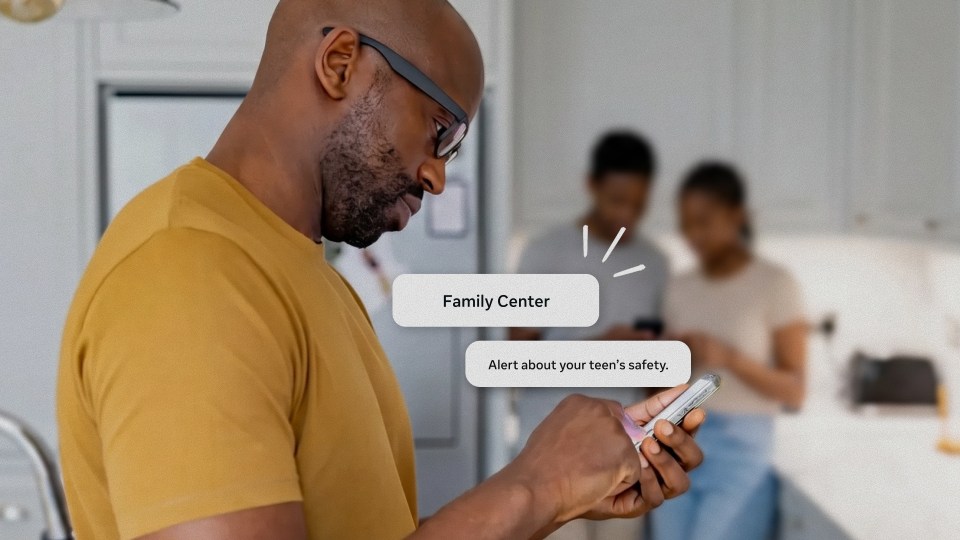
The feature will initially be introduced in the United States. Users under the age of 16 will also be unable to relax selected safety settings on their Teen Accounts without parental approval.
For Threads, this represents another step in its development from a rapidly growing text-based app into a fully established platform that must address the same questions concerning safety, user age and responsibility as Instagram, TikTok and YouTube.
YouTube Quantified the Value of the US Creator Economy
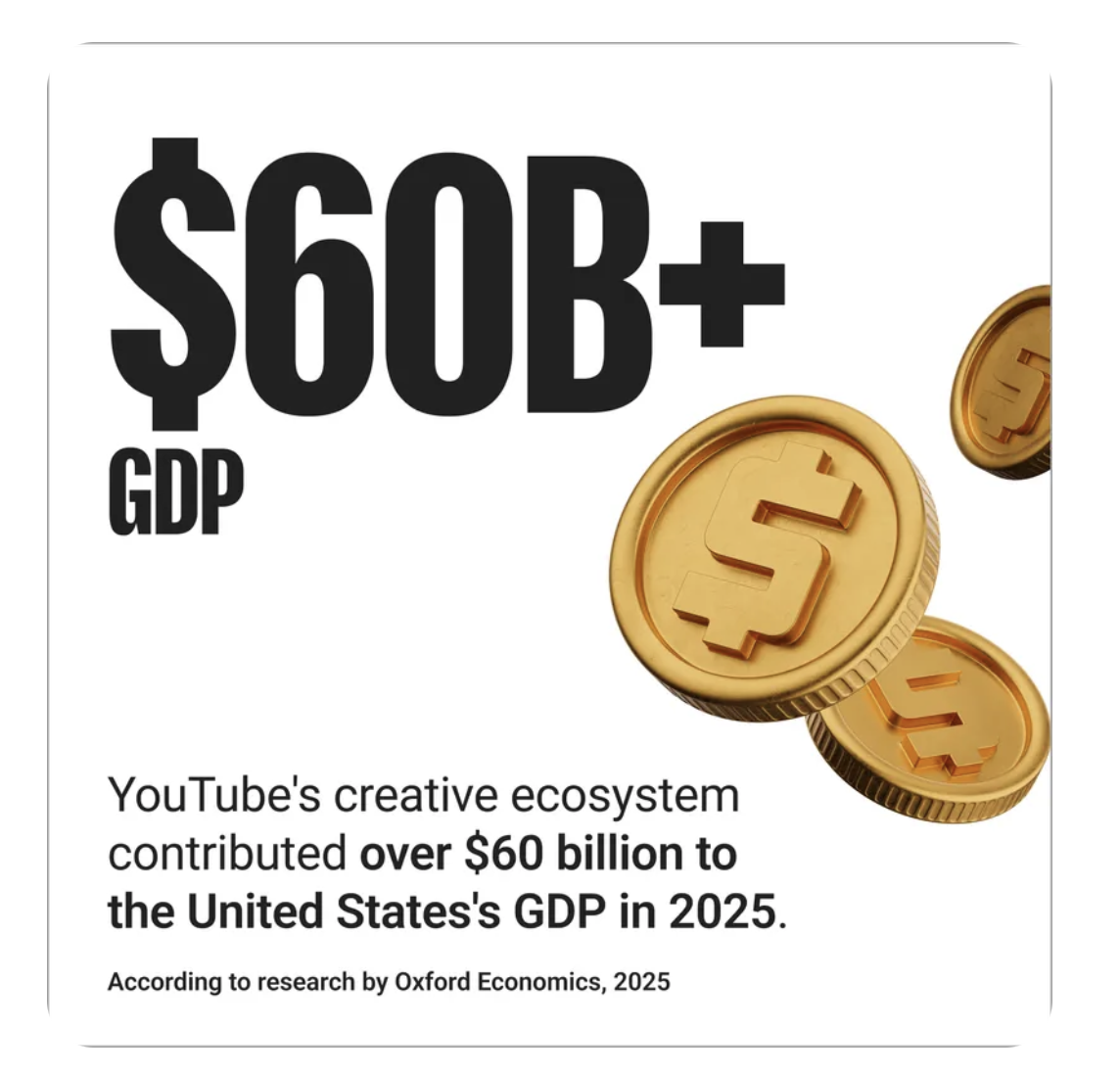
YouTube has published a new report on its economic impact in the United States. According to research by Oxford Economics, its creative ecosystem contributed more than $60 billion to US GDP in 2025 and supported more than 540,000 full-time jobs.
A total of 76% of small and medium-sized businesses with their own YouTube channels said the platform had helped them expand their customer base. Among people earning a living in the media or entertainment industries, 77% of creators said their careers had started on YouTube.
As with TikTok’s UK report, the research was supported by the platform itself. Nevertheless, it illustrates the scale of the transformation: a successful creator is no longer simply someone who produces videos. They can build a company around their channel that employs editors, producers, salespeople, creative professionals, and specialists in distribution or e-commerce.
Carl for Social
Don't miss what's coming next.
Stay on top of social media trends and tips that help you grow your content on Instagram, TikTok, Facebook, and YouTube. Download Carl for Social — it's free.
Download app